

Affordable Childcare Essential for Workers
The majority of workers regard affordable childcare as "essential," assembly members (MLAs) have been informed.
This insight was provided by Stuart Anderson from the Northern Ireland Chamber of Commerce during his evidence session on childcare to MLAs, focusing on the Executive's proposed childcare strategy.
The Northern Ireland Executive aims to subsidise over half of all childcare costs for working families by April 2032, a plan estimated to require approximately £500 million in funding from Stormont to implement.
According to the strategy, the average cost of full-time childcare amounts to £57 per day, per child, which totals just under £15,000 annually before any deductions or subsidies.
The Northern Ireland Chamber of Commerce is a business network comprising 1,200 businesses that collectively represent more than 100,000 employees.
Following a survey of its members, Anderson reported that nearly three-quarters identified affordable childcare as essential to securing a good job.
However, Anderson emphasised the need for greater transparency regarding "what is possible and what actually can be delivered by way of the strategy."
Business Perspective on Childcare
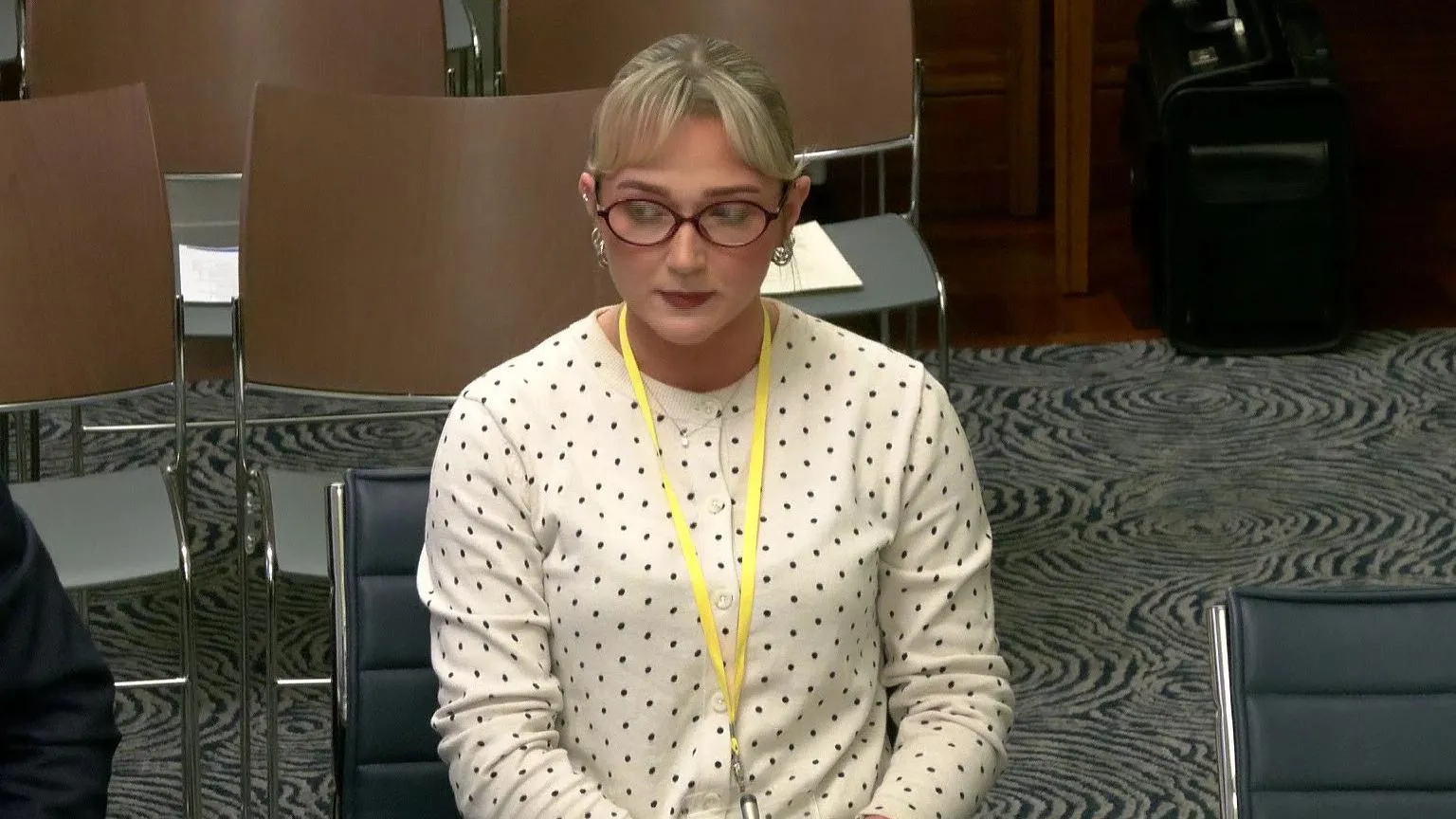
Lorna Muldoon from the Federation of Small Businesses (FSB), which has approximately 6,000 business-owning members, addressed MLAs highlighting that businesses rely on "affordable, accessible childcare for their employees to participate fully in the workforce."
"The strength of our childcare system directly shapes the strength of our economy,"Muldoon stated.

She further explained that when childcare is unaffordable, productivity declines and employers face increased challenges in recruiting and retaining staff.
"These pressures fall disproportionately on women, but the economic impact is felt across the whole labour market,"Muldoon added.
She described the Executive's draft childcare strategy as a "welcome and long overdue move," while also acknowledging the "significant challenges" it presents.
"Providers cannot raise wages or expand staffing levels without either the funding to do so or by passing the increased costs on to hard-pressed users,"she noted.
Recruitment Challenges in Childcare Sector
The draft strategy underscores the necessity for improved pay and training for childcare staff. It also aims to ensure that all childcare workers receive at least the real living wage, a voluntary pay rate established by the Living Wage Foundation.
From April 2026, the National Living Wage will increase to £12.71 per hour for workers aged 21 and over.
Diane Koplewsky of the Sleepy Hollow Group, who has 25 years of experience in childcare, spoke to MLAs about the sector's staffing challenges. The group operates four day nurseries and 26 out-of-school clubs, employing around 200 people.
Her son, Nikolai, who also works within the group, described recruitment of childcare staff as a "massive" issue across the sector.
"Some childcare staff had faced bills of up to £80 to get GPs to provide them with a medical note showing they were fit to work,"he said.
Diane added that nurseries are closing rooms due to an inability to afford adequate staffing.


