Tech Giants Adopt Cartoon Mascots to Humanize Brands
Some of the world's largest and most influential companies are increasingly adopting cute and approachable mascots as part of their branding strategies.
Leading technology companies such as Microsoft and Apple have recently introduced new cartoon character mascots. Experts note that this approach is often employed to make brands appear more personable and friendly, thereby fostering stronger connections with customers.
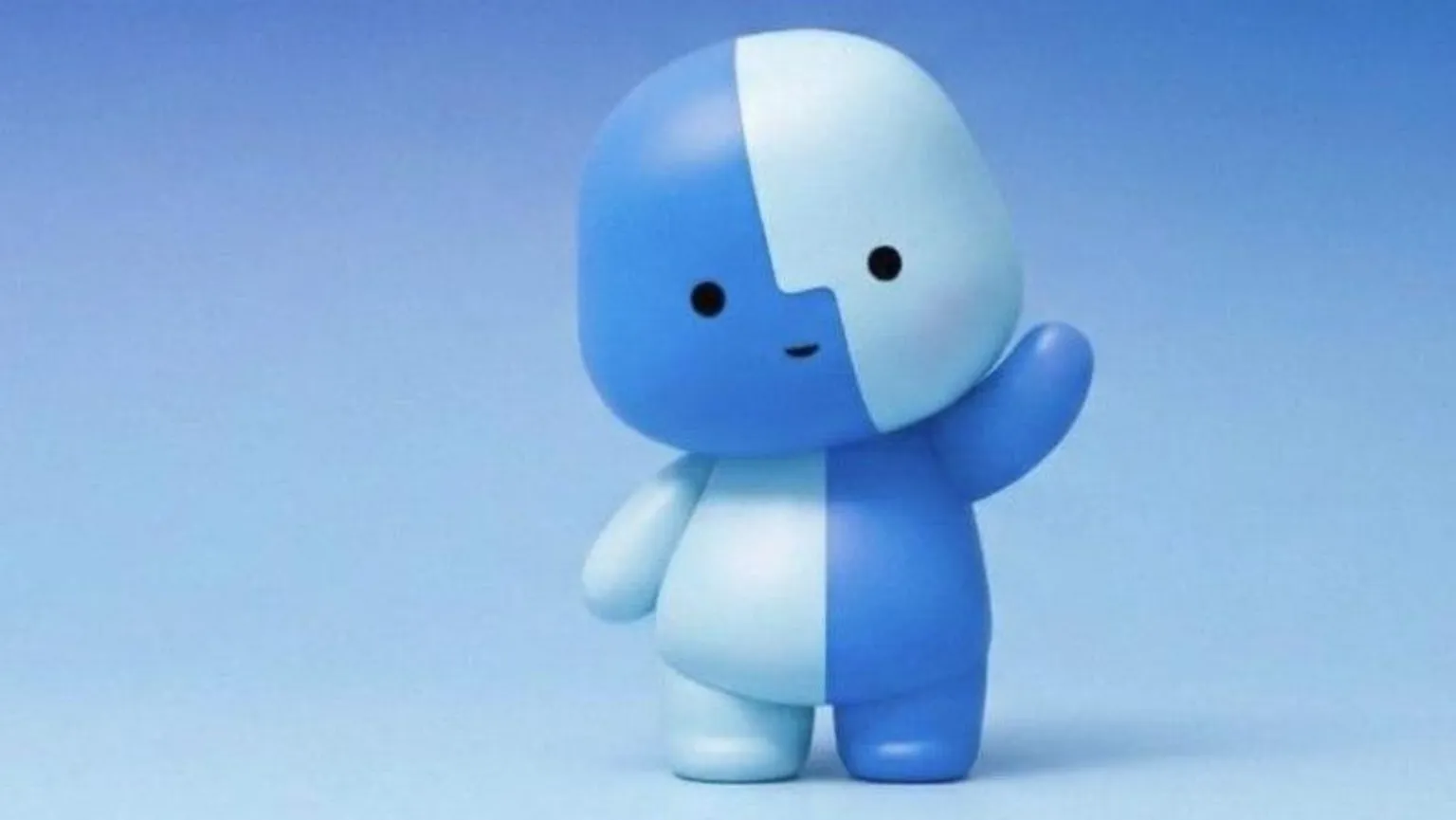
Apple's mascot, a blue and white character with a disproportionately large head, has informally been named Little Finder Guy. It was launched in March through social media videos promoting a new laptop model and has received favorable attention.
Microsoft, which previously discontinued its unpopular Clippy paperclip virtual assistant, has unveiled a new cartoon avatar for its AI assistant, Copilot.
The company describes the avatar, named Mico, which resembles a smiling blob, as "not a mascot, but an optional visual identity for Copilot." Microsoft adds that Mico is "expressive, customizable and warm," designed to make voice interactions with the AI feel more natural.
Benefits and Research Supporting Mascot Use
There are several compelling reasons for companies to adopt cute characters to represent their brands. Research published in 2019 found that businesses incorporating mascots in their marketing campaigns are 37% more likely to increase their market share compared to those that do not.
"They give a voice, a personality, a face even, to a company that is cold and impersonal to many people," says Anthony Patterson, professor of marketing at Lancaster University Management School.
Some companies, including tech firms, are exploring new ways to utilize existing mascots. For example, Google's green robot, the mascot for its Android mobile operating system, has been adapted in innovative ways.
In September of the previous year, Google launched an app enabling users to create personalized versions of the robot. Users can upload selfies, and the mascot will adopt their clothing style and hairstyle. Google stated that this feature allows people to give the robot "different vibes."
Other examples include Reddit, which updated its alien mascot Snoo in 2023 to be more animated and expressive. Additionally, Mozilla, the operator of the Firefox web browser, transformed its Firefox logo into a full-fledged mascot named Kit in March of this year.
John Solomon, chief marketing officer at Mozilla, explains:
"If you think about our competition – look at a Chrome logo, look at a Safari logo, look at an Edge logo – they're very stark, somewhat similar, somewhat cold. As a challenger brand, we want to distinguish ourselves from them."
Concerns and Criticism Regarding Mascots
Despite the appeal of friendly characters, not all reactions have been positive. Nathalie Nahai, an author and lecturer specializing in psychology, technology, and business, observes that the resurgence of mascots coincides with increasing mistrust toward some major technology companies.
"People are reaching a crisis point when it comes to our relationship with consumer-oriented technologies," she says. "So many companies are getting a massively bad rap for being these techno overlords. What better way to cut through than to create a cute and cuddly, anthropomorphic mascot?"
Both Nahai and Patterson express concerns about the implications of combining artificial intelligence with mascots, which allows for highly personalized interactions with users. Patterson comments:

"Individual brand mascots will begin to talk to us on a one-to-one level and try to persuade us to do things. It's a bit creepy, isn't it?"
From a branding perspective, however, colorful characters can foster familiarity. Patterson notes that exposure to mascots, especially from a young age, often leads customers to associate warm and familiar feelings with the brand indefinitely.
Microsoft reports that it has received "encouraging feedback so far" regarding Mico, but users who prefer not to interact with the character have the option to disable it.
Popular Mascots and Their Impact
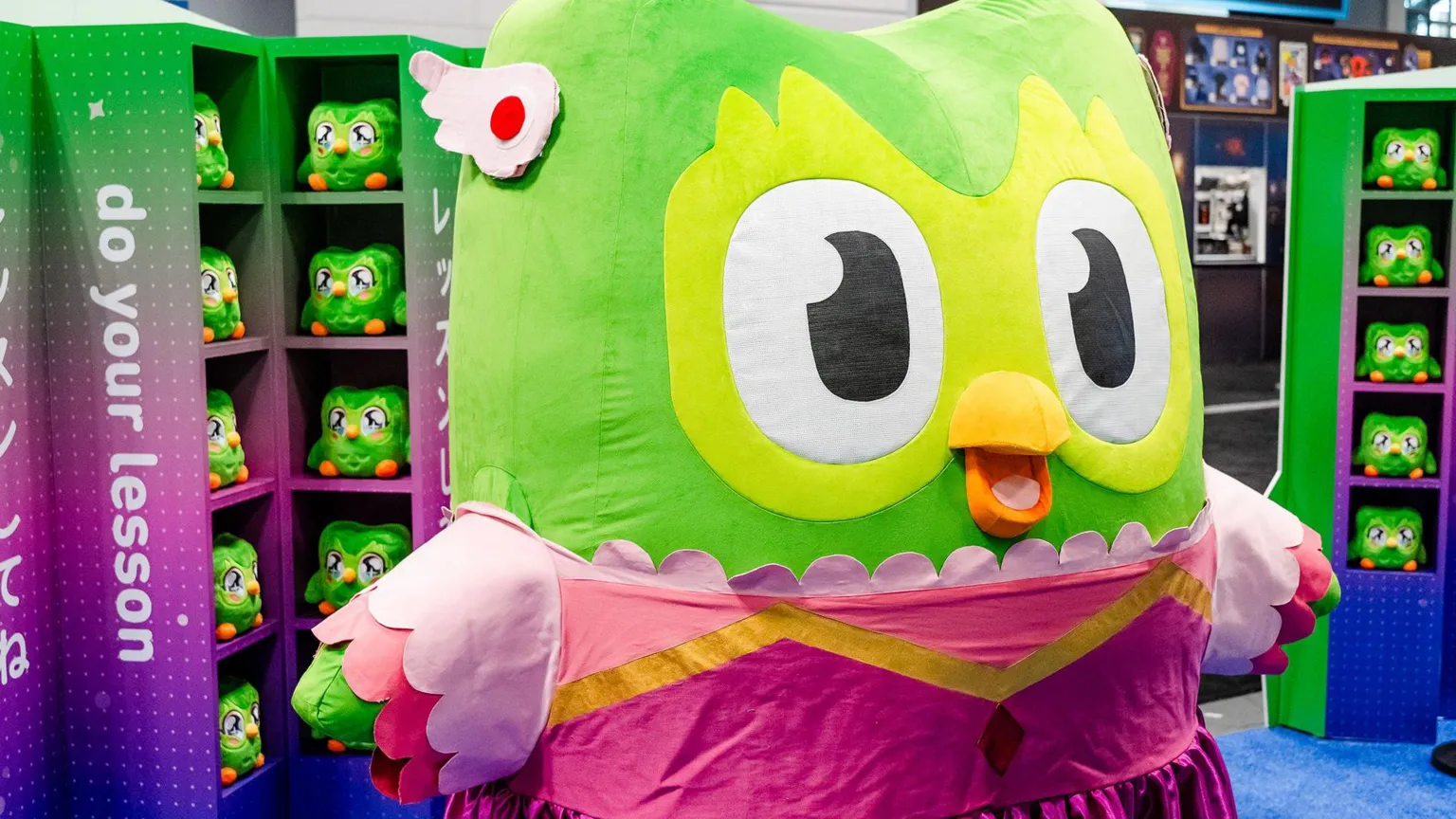
One of the most recognizable online mascots in recent years is Duo, the big-eyed green owl from the Duolingo language learning app.
The Duolingo team credits Duo with helping the brand attract over 20 million followers across TikTok and Instagram. Kat Chan, Duolingo's head of brand marketing, states:
"Duo has become much more than a mascot. He's a character people follow and interact with, which has changed how we show up as a brand… people are invested in Duo."
Nahai explains that mascots tap into innate human responses.
"In nature, we have evolved to respond with certain behaviours towards something like a baby which has a large head and big eyes," she says – features that are often exaggerated in brand characters.
Historical Context and Recent Trends
The use of mascots is not a new marketing strategy. Sports teams have employed mascots since the 19th century, and other brands followed suit. Patterson remarks:
"Since the 1960s, mascots have been a really powerful tool for building brands."
However, he adds that mascots later suffered from overuse, leading to consumer fatigue and eventual decline in their popularity, prompting many companies to phase them out.
Currently, a resurgence of mascots is underway, extending beyond technology companies. For instance, book publisher Penguin recently revitalized the penguin image that has appeared on its book spines since 1935.
Penguin has created a series of hand-drawn illustrations of the penguin to "bring warmth, humour and personality to everything from our social media presence to brand campaigns and social impact work."
Not all mascots are designed to be cute. Patterson points out the mixed history of mascots, citing the example of Joe Camel, a cartoon camel mascot used in cigarette advertising.
Consumer Perception and Future Outlook
Nahai expresses hope that consumers today are discerning enough to see beyond the charm of cartoon mascots.
"I think there's more cynicism [these days]," she says.
However, she cautions that younger audiences, who may not have been exposed to cynical marketing practices, could be more susceptible to the persuasive effects of mascots.