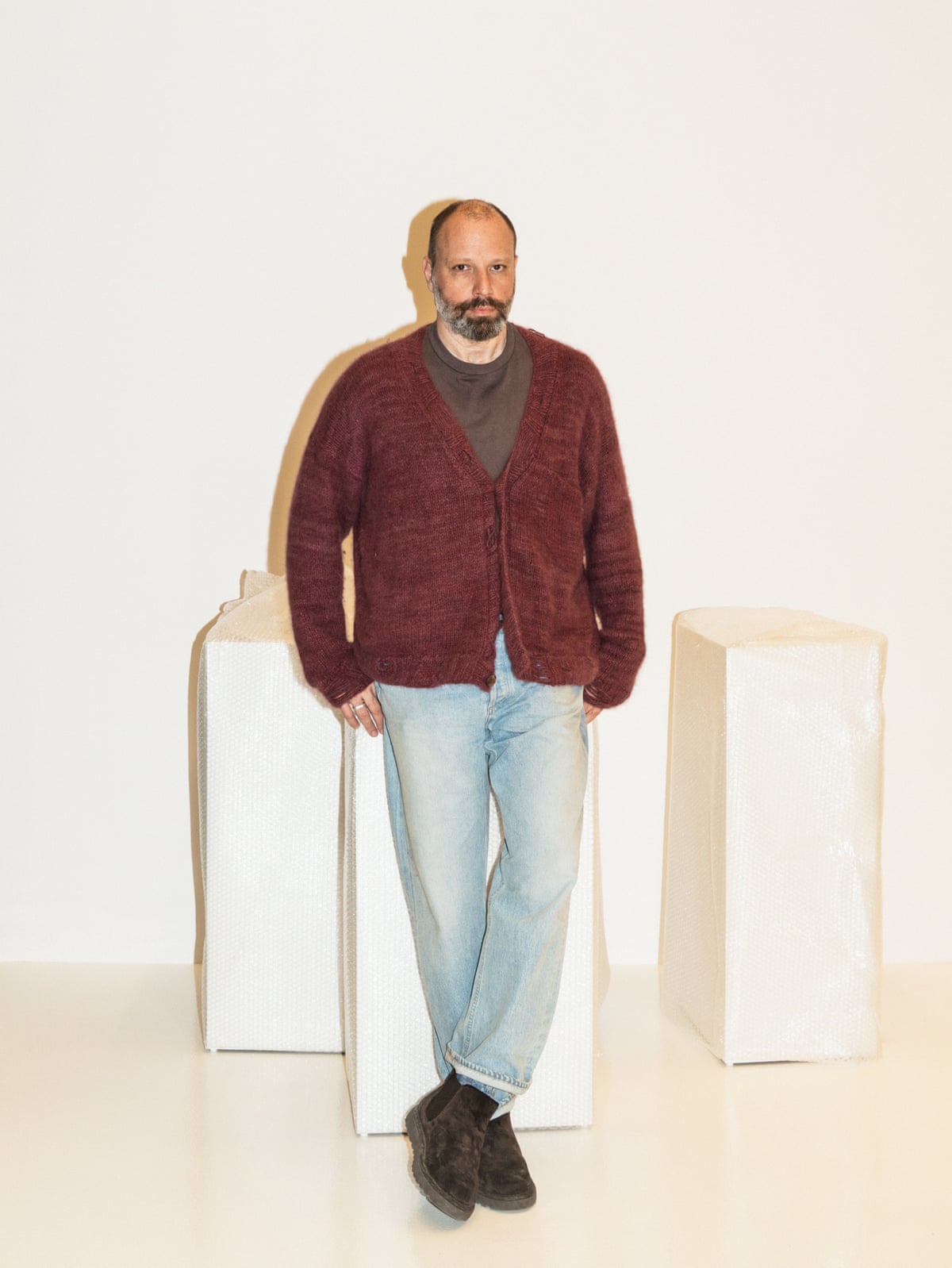
Introduction to Lanthimos's Photography Exhibition
In the heart of Athens, a new cultural space has emerged, surrounded by tall white columns. This venue houses a distinctive collection: the personal photographs of Oscar-nominated director Yorgos Lanthimos.
Captured over recent years during his explorations of Greece, these images reveal the country through Lanthimos’s unique absurdist perspective. Among the photographs are a coffin leaning against a wall beside a mop, horses with their heads obscured by trees in the foreground, and a roadside memorial beneath a warning sign indicating danger ahead. The sign’s wiggly road symbol points upward, seemingly suggesting a path to the afterlife for the victim. This particular image evokes a complex blend of emotions—poignancy, strangeness, and humor—mirroring the tone of Lanthimos’s films.
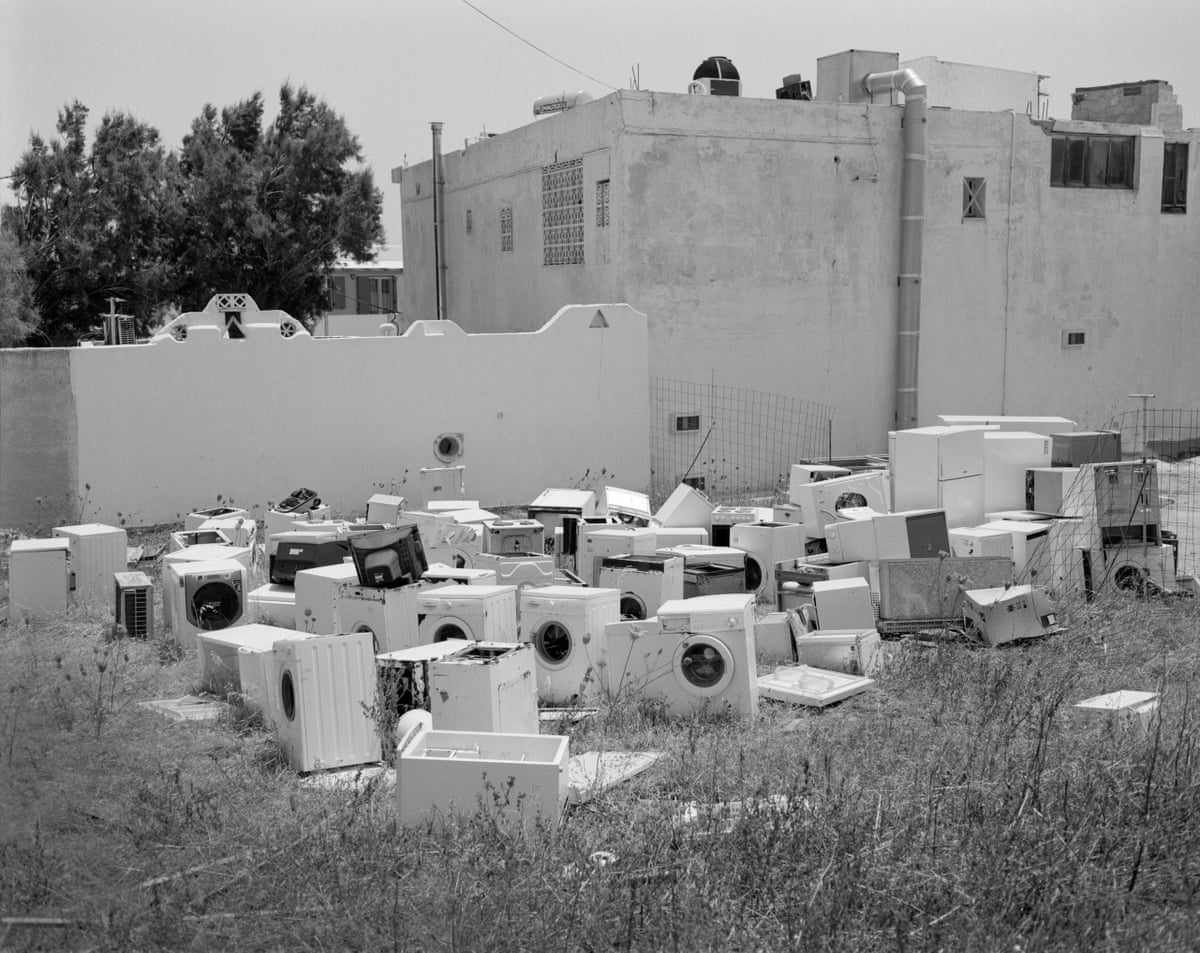
On the opening night at the gallery, Lanthimos reflected on the variability of perception:
“How you view it depends on your mood. You’ll see it one day and laugh, then see it another day and be like, ‘What happened here?’ It’s dark, it’s nuanced, it’s why I love that picture.”
Photography Connected to Filmmaking
Lanthimos has a history with photography, though his earlier works were loosely connected to his films. These prior photographs are displayed around the exterior of the exhibition’s makeshift temple. During the production of Poor Things, he created elaborate portraits of its stars—Emma Stone, Mark Ruffalo, Jerrod Carmichael—while simultaneously revealing behind-the-scenes elements such as lighting rigs, props, and scaffolding typically hidden from the camera’s view.
For his subsequent 2024 film, Kinds of Kindness, Lanthimos produced a photographic series that aligns more closely with the aesthetic of American photographers like Lewis Baltz and Henry Wessel Jr than with the film itself. One photograph features Willem Dafoe, but only from behind, showing the back of his head. Another includes Emma Stone, but only as a shadow.
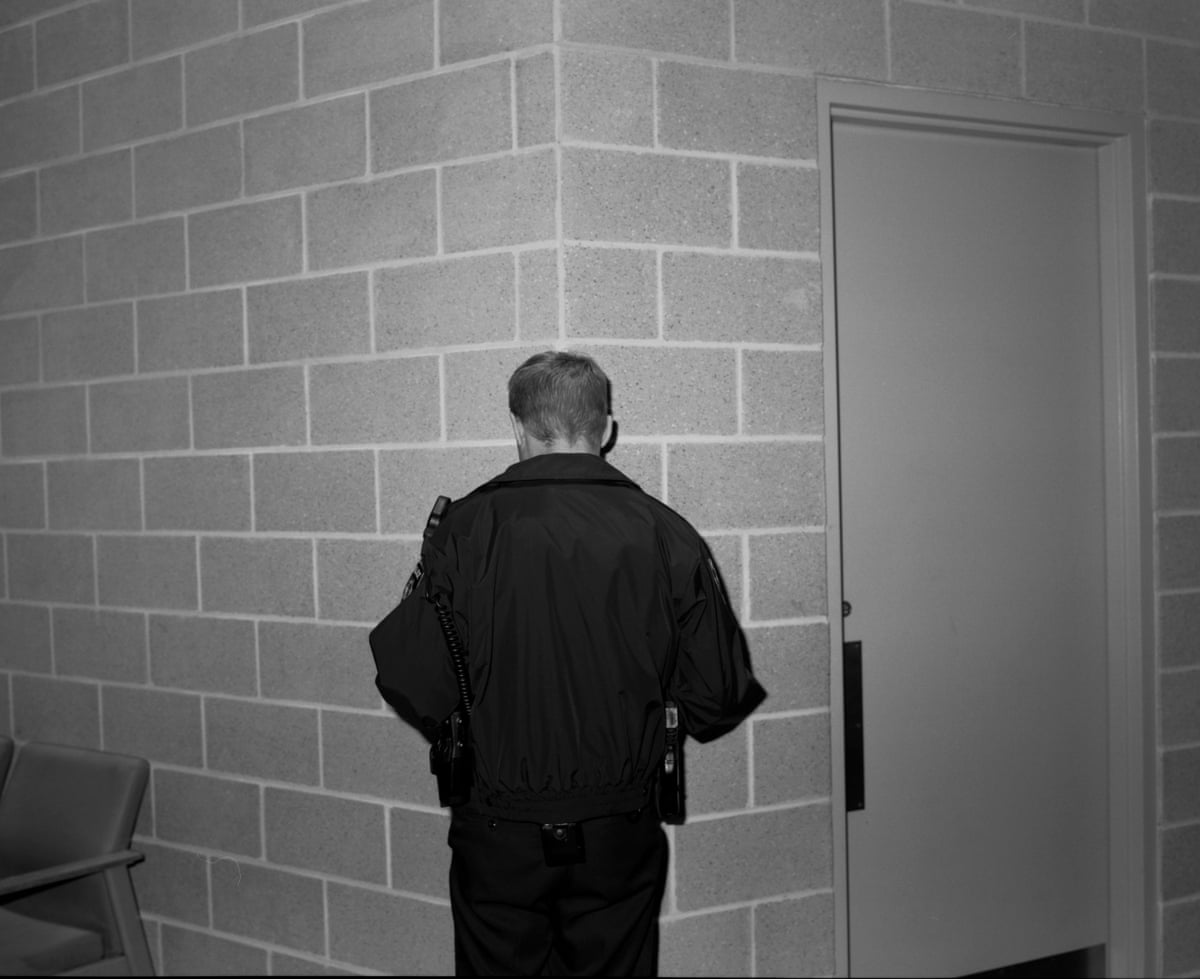
Some images included in his new book Viscin were taken during the filming of last year’s Bugonia, although Lanthimos emphasizes that the book has “virtually nothing” to do with the film. At the gallery entrance, he paired a photograph of a dome-shaped building with one of Stone’s similarly dome-like head.
When asked if anyone in the film industry advised him to focus on faces rather than less conventional subjects such as an A-lister’s shin, Lanthimos laughed:
“No, thankfully we had a great on-set photographer to do the promotional side.”
Photography as an Escape and Collaboration with Emma Stone
Lanthimos candidly admits that his photography serves as a reprieve from the pressures of filmmaking rather than an extension of his films’ narratives. Emma Stone, who has appeared in all his films since 2018’s The Favourite, developed an interest in photography alongside him. Each night after filming, she joined Lanthimos in processing that day’s negatives in a makeshift darkroom set up in his hotel bathroom.
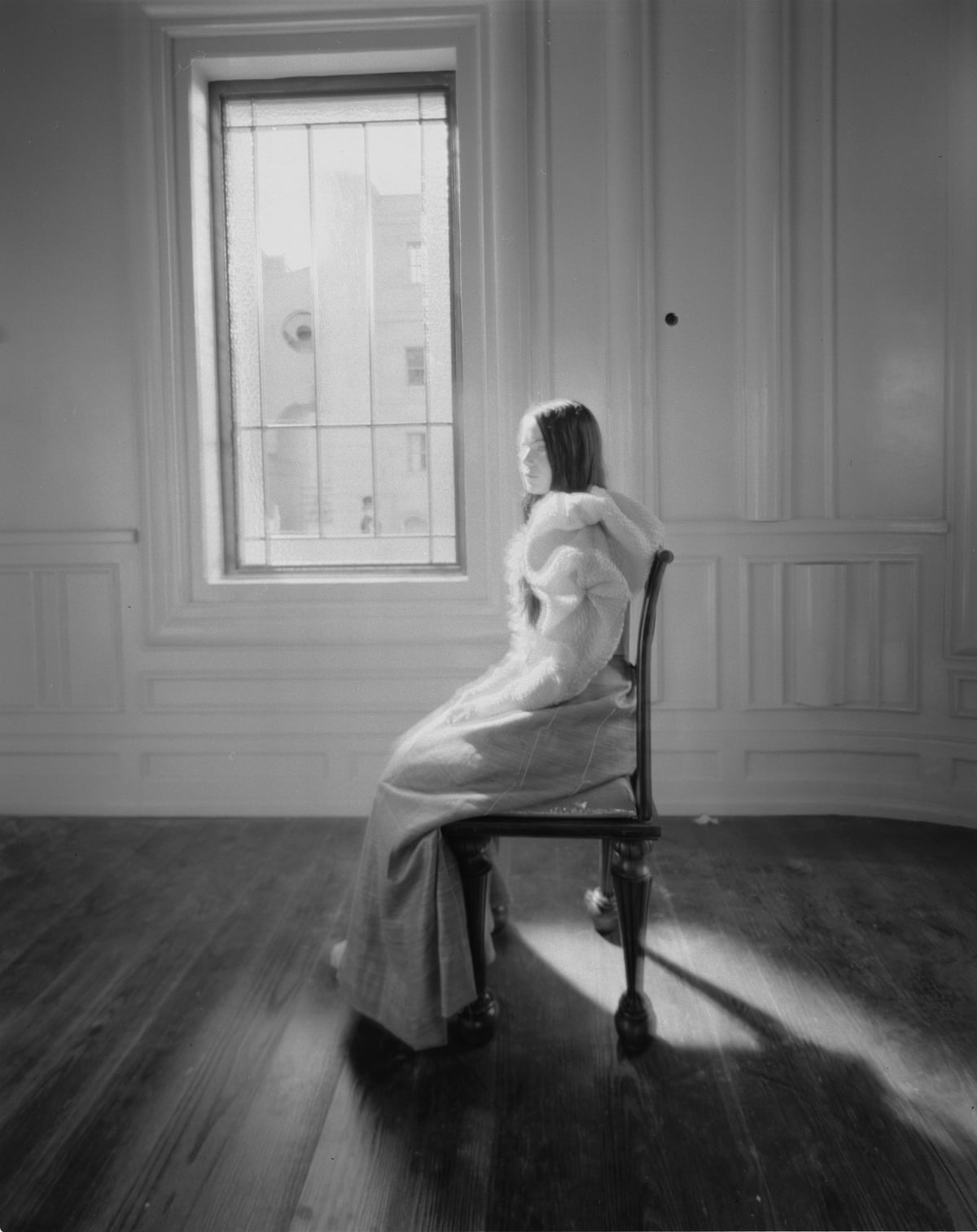
He described the process:
“After all this tension on set all day, it became this thing that calmed and focused us. It was meditative.”
Stone reportedly felt guilty after accidentally damaging some photographs. Lanthimos recalled:
“She was very sensitive about that. She said, ‘This is someone else’s picture. I don’t want to ruin it!’ But it was just a scratch. No big deal! She never botched the processing of a negative or anything. I think she was hanging a photo from a wire with a clip and it scratched the edges. I said, ‘You won’t even see it when it’s cropped.’ But she was really stressed about it.”
Lanthimos appreciates imperfections in his work. One minimalist image of sea and horizon features repetitive white scratches across the sky. He clarified:
“She didn’t do that! I don’t know how that happened. But we actually selected it because of the scratches. It is a really simple and minimal image, and the scratches gave it a sense of texture and tactility.”
Photographic Elements in Film and Artistic Intentions
Lanthimos’s affinity for still imagery is evident in a montage from Bugonia, which depicts various individuals—copulating lovers, mourners at gravestones—appearing slumped and lifeless. The sequence evokes iconic photographs such as Mark Steinmetz’s Carey in Full Sun and William Eggleston’s image of a zonked-out Marcia Hare, though Lanthimos states this was unintentional:

“Originally the idea was to show people with their hearts exploding but I realised it would be a more powerful ending to have things still and silent. I think it just naturally became photographic.”
Stepping Back from Filmmaking
After an intense period of filmmaking, Lanthimos is taking a break from cinema. He is uncertain about the duration:
“I made three films back to back. No gap. I overdid it. So it might be a couple of weeks, it might be years. But I won’t make another film until I get the urge again.”
Despite his acclaim, Lanthimos does not particularly enjoy many aspects of movie production, including the large crews, constant decision-making, press events, and awards ceremonies. He describes himself as painfully shy, which complicates even solitary pursuits like photography. He finds it difficult to approach strangers to ask for permission to photograph them:
“I’m hoping I can do that in future, maybe with the help of other people.”
This contrast is notable given the challenging themes of his films, which often explore incest, self-mutilation, and child sacrifice.
Focus on Body Parts and the Absence of Faces
People are not prominently featured in Lanthimos’s series of Greek photographs, titled No Word for Blue. When present, subjects are often shown from behind or at a distance. A recurring motif is limbs without the accompanying body. One photograph depicts a woman’s bruised leg, consistent with the way his films emphasize body parts through actions such as rubbing, licking, and kissing.
When asked about his fascination with body parts, Lanthimos responded:
“I don’t know how to answer that. I think parts of the body are very expressive, especially with bruises or birthmarks or acne or whatever. They can be expressive in a different way to a face. I guess it goes back to telling stories. If you only show a part of something and not the whole thing, it urges you to imagine the rest.”
Inviting Viewer Interpretation
Lanthimos encourages viewers to engage their imagination. He cited an image of a couple standing at the sea’s edge, with the male figure bowing his head. While one might interpret this as a scene of grief or a pilgrimage to a site of drowning, Lanthimos revealed it simply shows his wife, actor Ariane Labed, and a friend preparing to dip their toes in cold water. He welcomes such varied interpretations, which is a reason he values photography.
Early Life and Artistic Development
Reflecting on his worldview, Lanthimos recounted that he was once on track to become a professional basketball player, following his father who played for Pagrati and the Greek national team. Imagining Lanthimos at 17, surrounded by teammates, his mind filled with dark and taboo themes, one might wonder if he felt like an outsider. He explained:
“I guess that’s why I quit basketball. But actually it’s more that I’m reserved and timid – in any situation. I wasn’t doing sport and thinking, ‘Actually, I’m an artist.’ I think I’d feel the same way in any discipline.”
At 19, shortly after quitting basketball, Lanthimos began using a camera, photographing his peers while attending film school in Athens. He currently owns hundreds of film cameras, eschewing digital formats due to time constraints:
“It’s an issue when I have to go somewhere. I try to take no more than two at a time.”
Career and Return to Greece
Lanthimos began his career making advertisements before creating his own films in Greece, including the notably unconventional Dogtooth in 2009. These films were recognized as part of the country’s so-called “weird wave,” a term he dislikes. Following the financial crisis, which severely limited funding opportunities, Lanthimos relocated to London to continue filmmaking. This move was fruitful but also heightened his appreciation for his homeland.
He reflected on his changing perspective:
“When you grow up somewhere, you think you’re in the worst place in the world and everywhere else is better. But with the distance, I started looking at all the things in Greece I thought were ugly and horrible – and now saw them as unique. I saw the contradictions in them and how that can be beautiful in a certain way.”
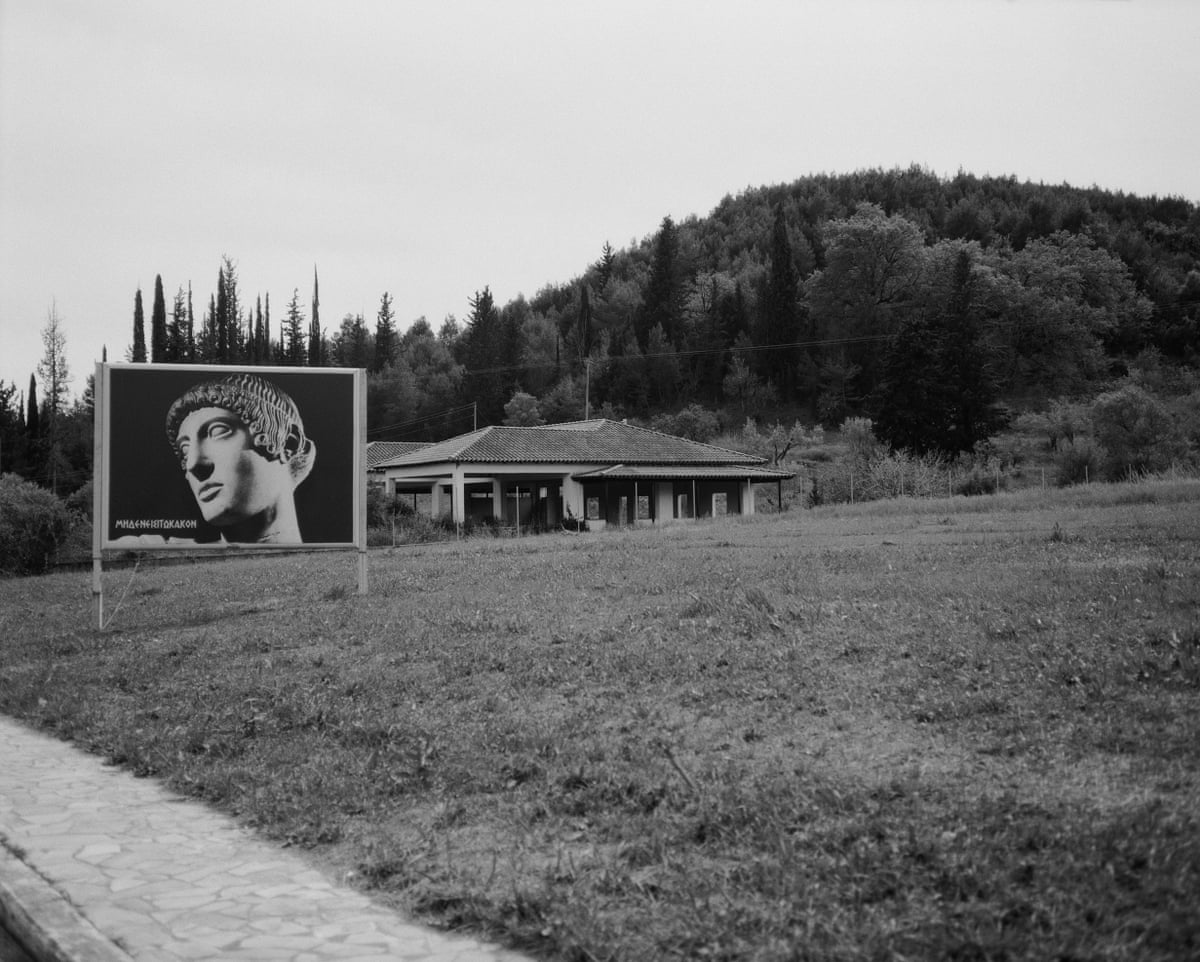
Brexit, which complicated matters unnecessarily, motivated his return to Greece. Lanthimos now intends to slow his pace, reconnect with his country, and focus on intimate, personal photographic projects. Despite his shyness, he has opened the doors to his artistic "temple," inviting all to enter.
Exhibition Details
Yorgos Lanthimos: Photographs is on display at Onassis Stegi in Athens until 17 May.