

Starting Over After the Fire
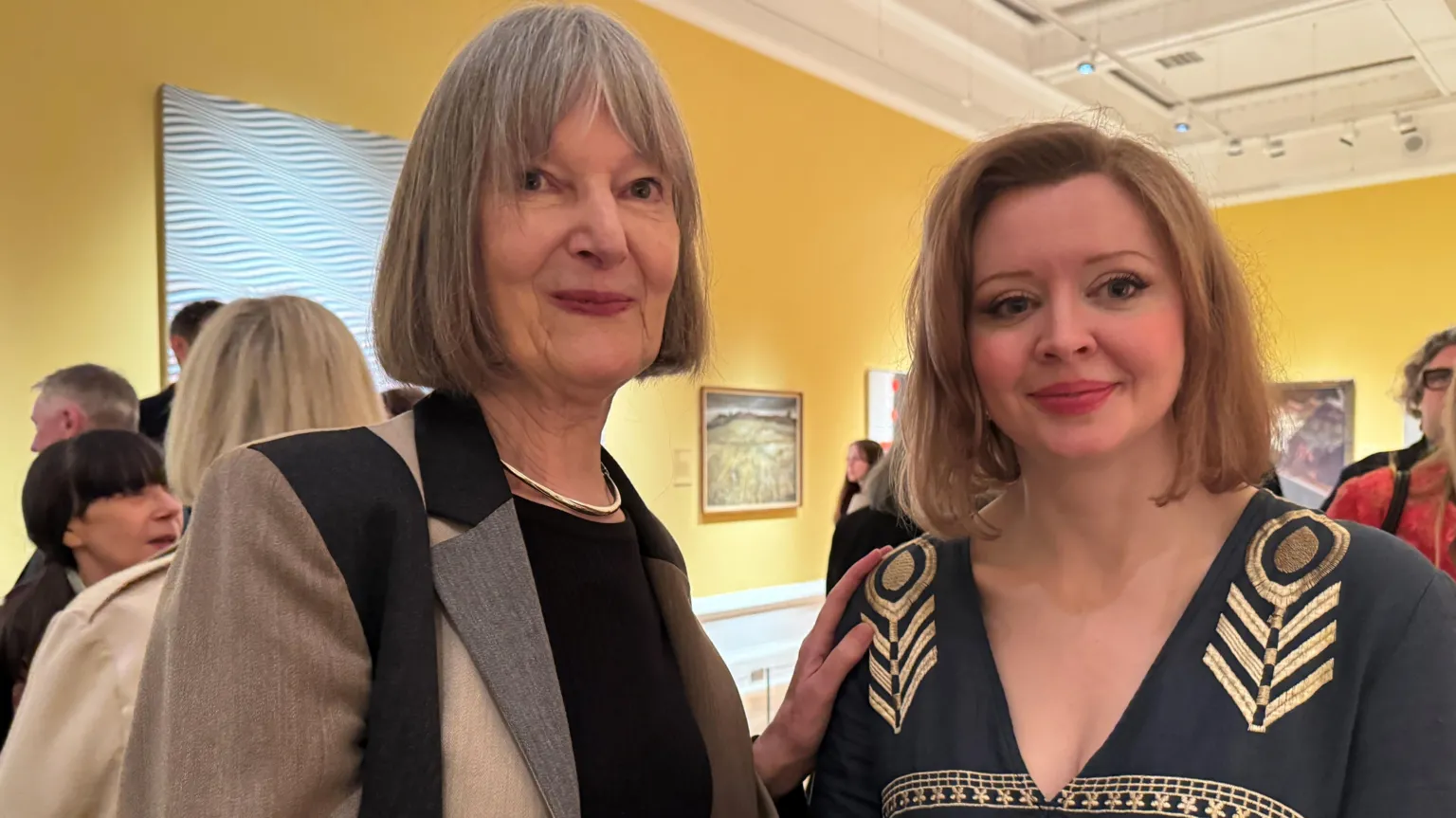
When a fire caused by two bombs during the height of the Troubles destroyed nearly all of the Ulster Museum's fashion collection, art curator Elizabeth McCrum and her team faced the daunting task of rebuilding the collection from scratch.
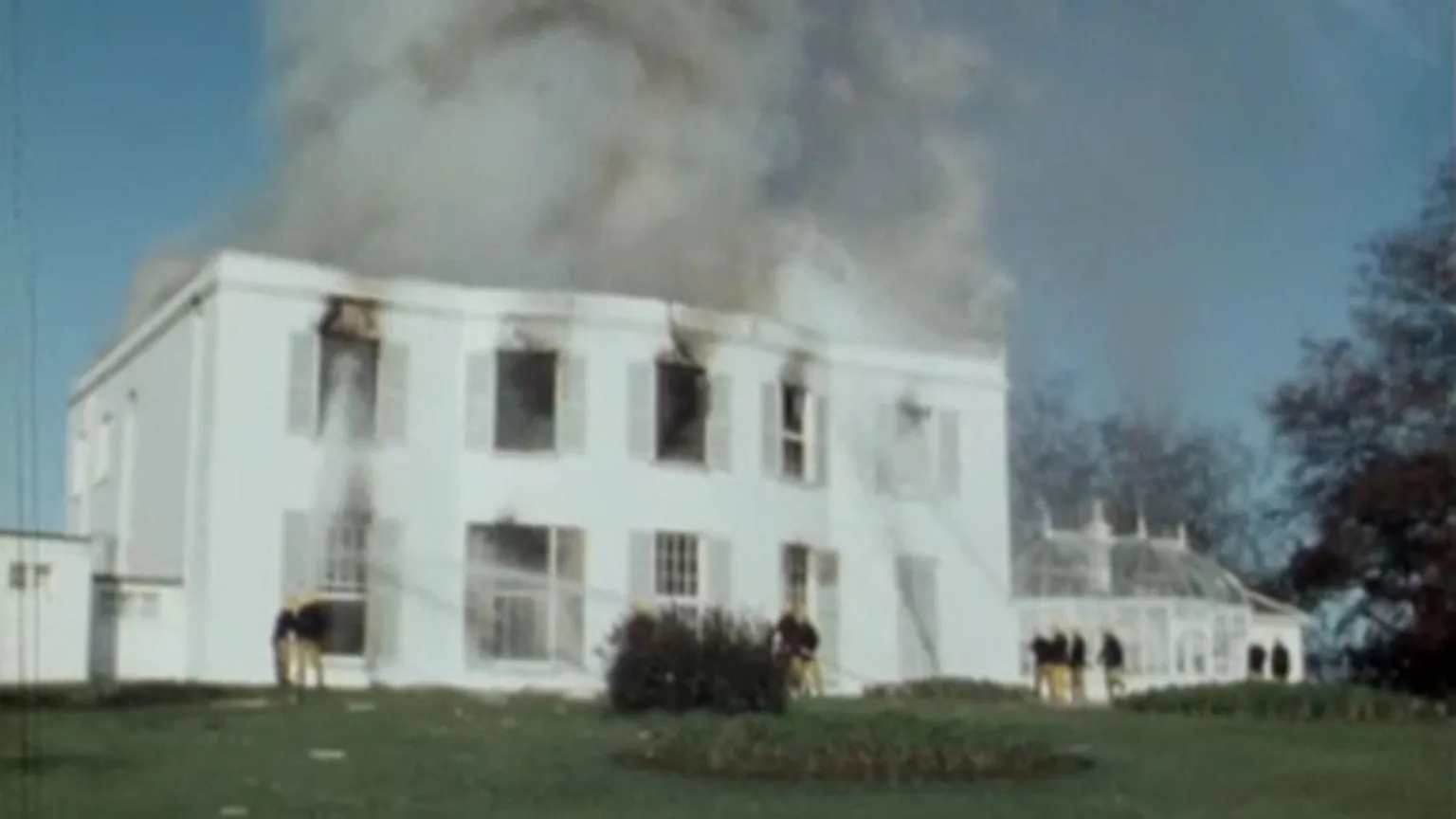
The collection had been stored in Malone House in Belfast when the building was bombed on 11 November 1976.
Only one item survived the fire – an 18th Century embroidered quilt, which was spared because it was on display at the museum at the time.
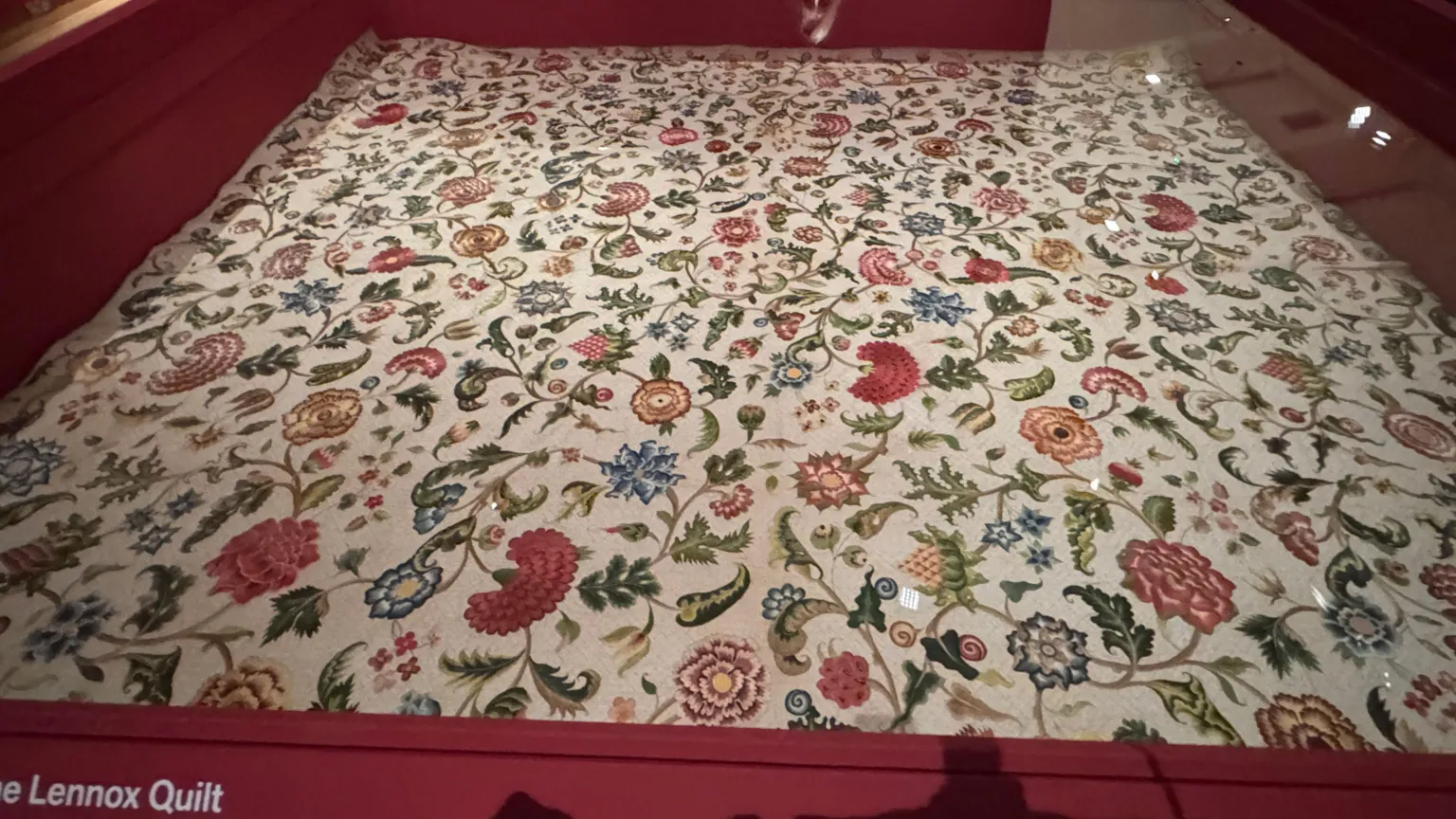
Fifty years later, a new exhibition celebrates the restoration of the costume and textile collection, highlighting the surviving quilt as part of the renewed collection.
Reflecting on the 1970s, McCrum recalled in 1978, two years after the fire, during an interview on the BBC's Scene Around Six programme, that she believed "we've done really well" in the early stages of rebuilding the collection.
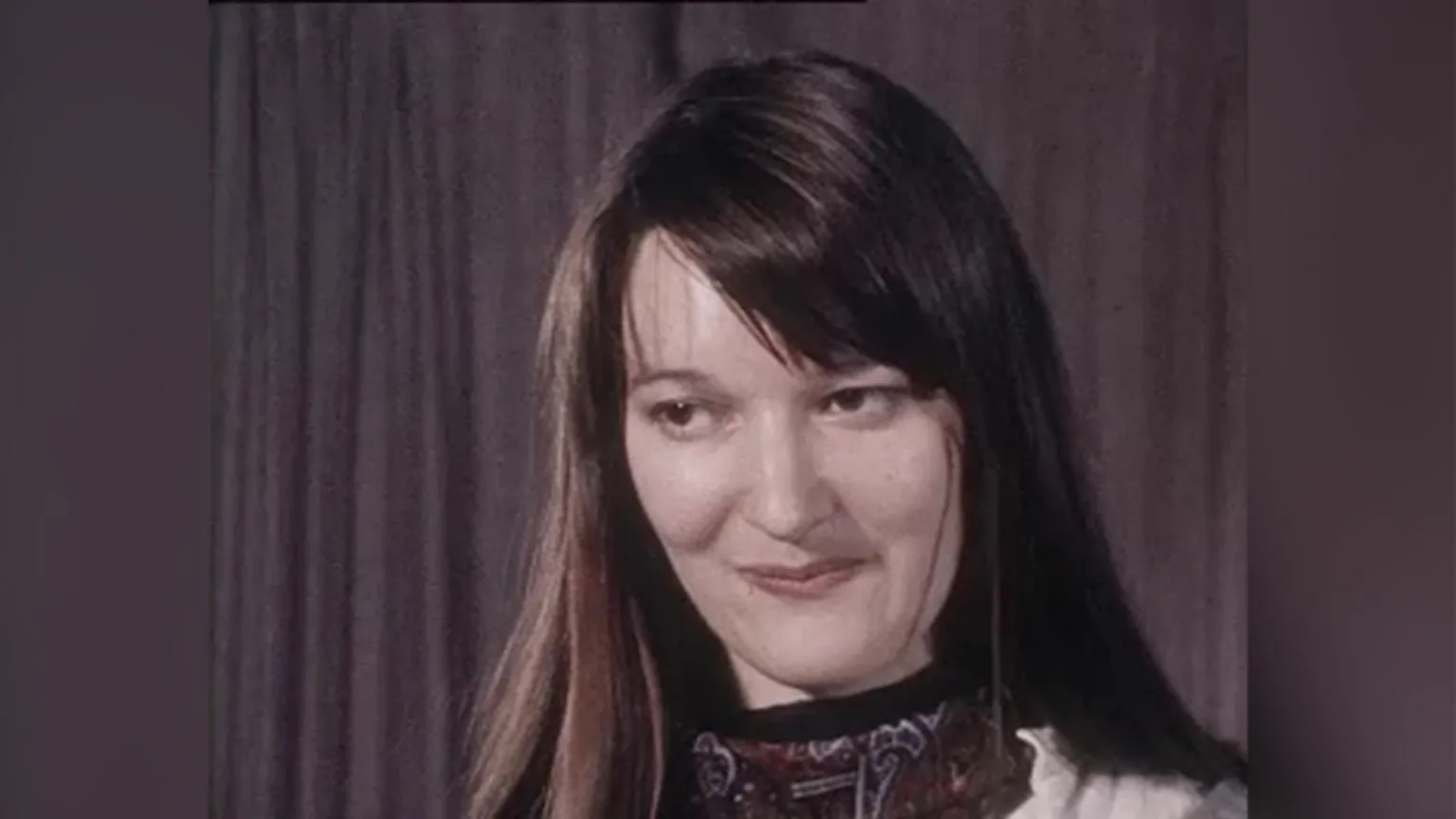
"We keep forgetting that the last costume collection took 70 years to accumulate, so when we feel impatient, we do have to remember we've just been at it for two years," she said in the 1978 archive footage.
Now, fifty years on, McCrum expresses pride in what she and her colleagues have accomplished.
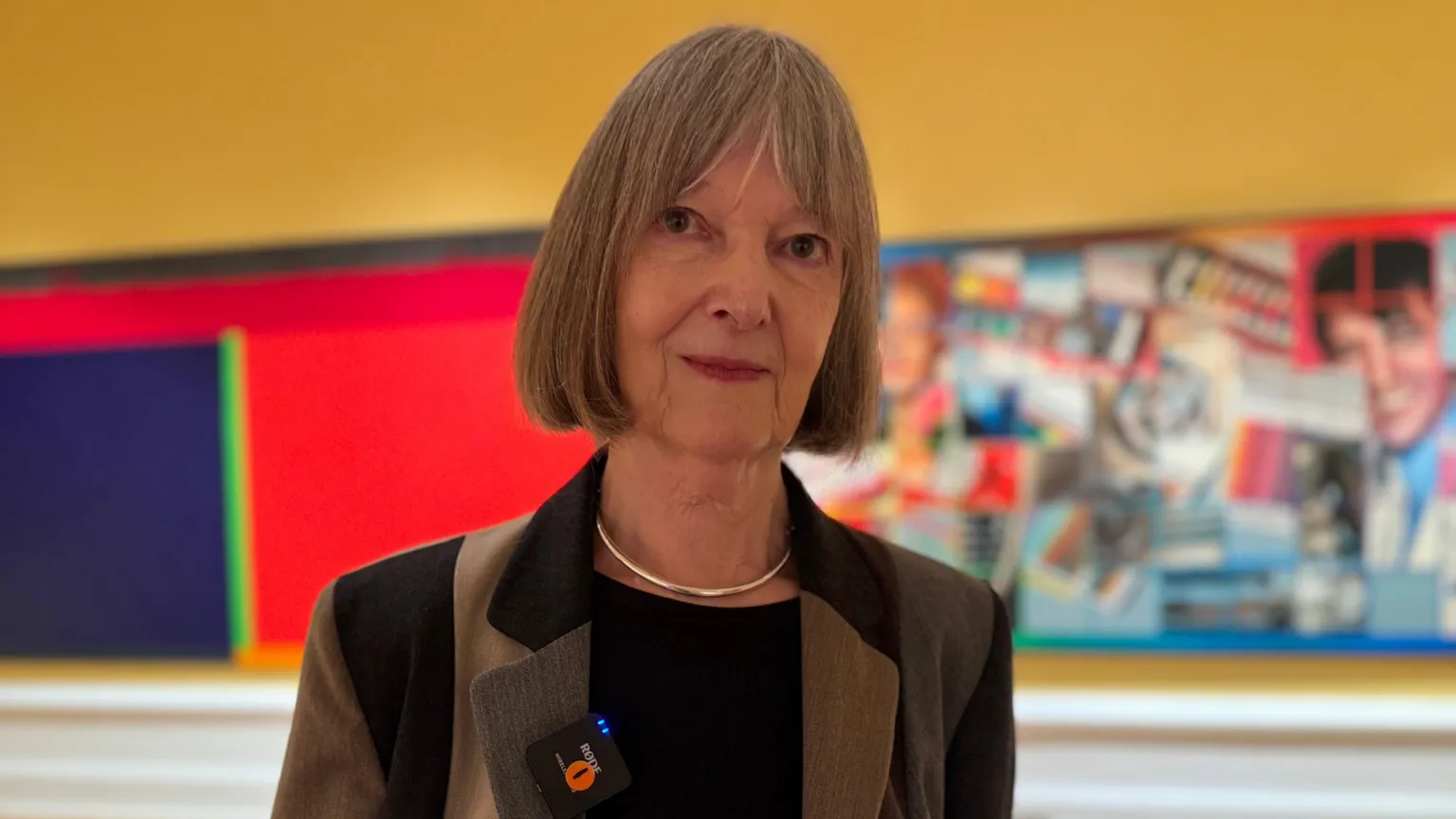
"Seeing the exhibition today, it's quite moving and exciting," she said.
She described the period after the fire as "bizarre," having to decide what steps to take next.
"Probably one of the best pieces survived, but everything else was gone, so we just had to start again.
"We lost a late Elizabethan jacket which we'll never get again."
Elizabeth was present at Malone House on the day of the fire but only learned of the incident after calling into the museum.
"In a way everything being destroyed made it easier. If everything had been waterlogged by fire hoses it would probably have been harder, but it was all gone, which was terrible."
Continuing the Legacy
Five decades after the fire, the responsibility for the collection has been passed to the current curator of fashion and textiles at National Museums NI, Charlotte McReynolds.

"What I find inspiring is the work that went into rebuilding since the fire and the ability to take a tragedy and turn it into something different and something beautiful," McReynolds said.
"I feel sad for the people who helped build the collection," she added.
"Members of the public who perhaps entrusted pieces, who hoped that they'd be kept for generations," she continued.
The collection now includes significant period pieces such as silk gowns from the 18th Century, alongside modern works including designs by Northern Ireland designer Jonathan Anderson.
McReynolds explained the importance of collecting both historical and contemporary items.
"It contains so many examples of fashion history, but also that it continues to breathe new life into the collection. It means that the collection always feels vital."
The Impact of the Fire on Malone House and Heritage
Malone House was leased to The National Trust in the 1970s, and the fire also damaged historical documents stored there.
An unnamed spokesperson from the charity, interviewed while firefighters were still working to extinguish the blaze, described the incident as "crazy."
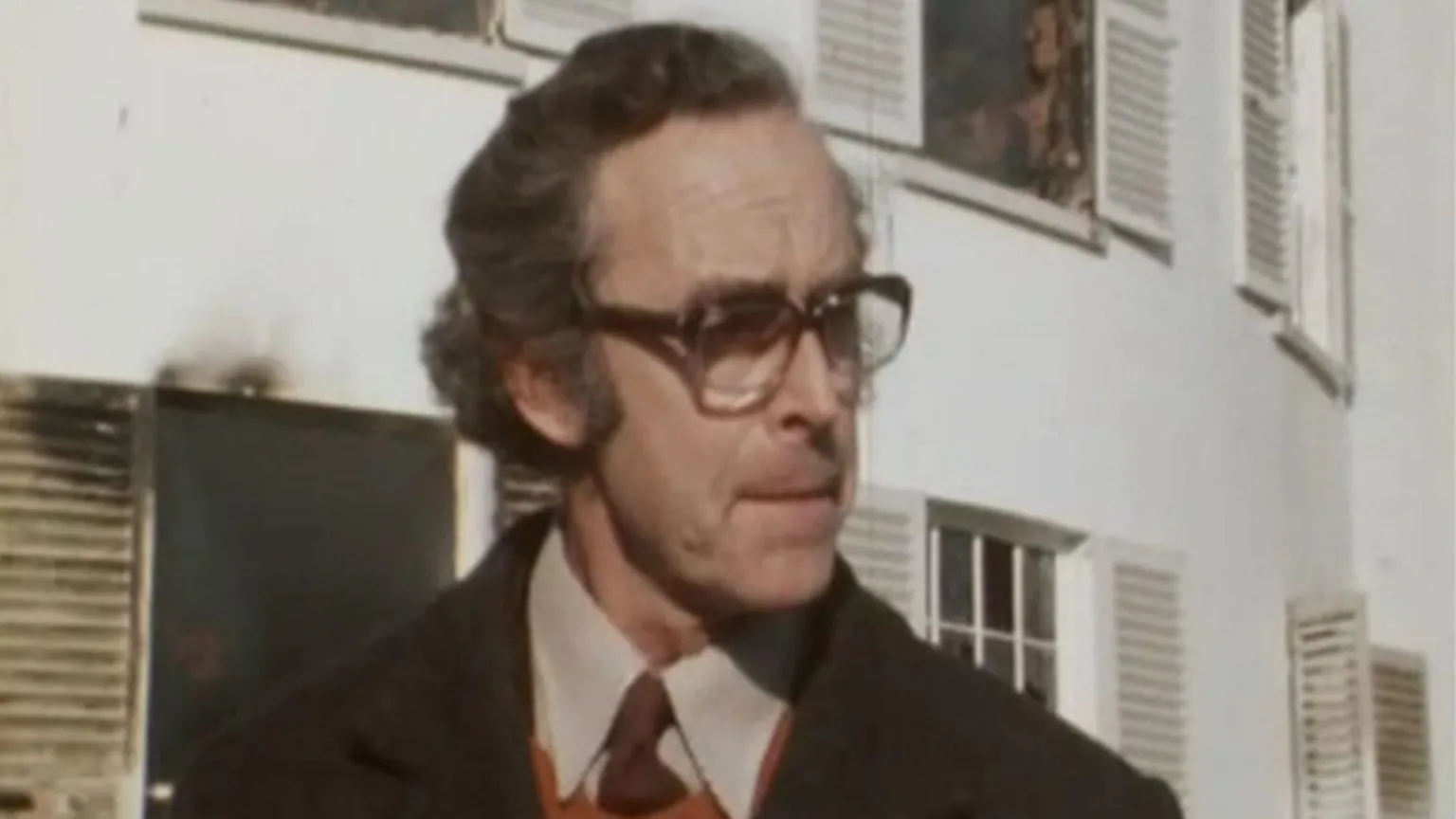
"Why do we throw away our own heritage?" he asked.
"It's a senseless act which is a loss to the people of Ulster and the people of this island," he added.
Reflections from Museum Staff
Elise Taylor joined the museum a few years after the fire and expressed relief that no one was in the building during the incident.
She explained that the costume collection was housed on a high floor in Malone House and "fell into the flames."
"In a sense when you can't save anything you can't really grieve over one thing specifically, you can just grieve over the whole thing just disappearing and it was a great loss," she said.
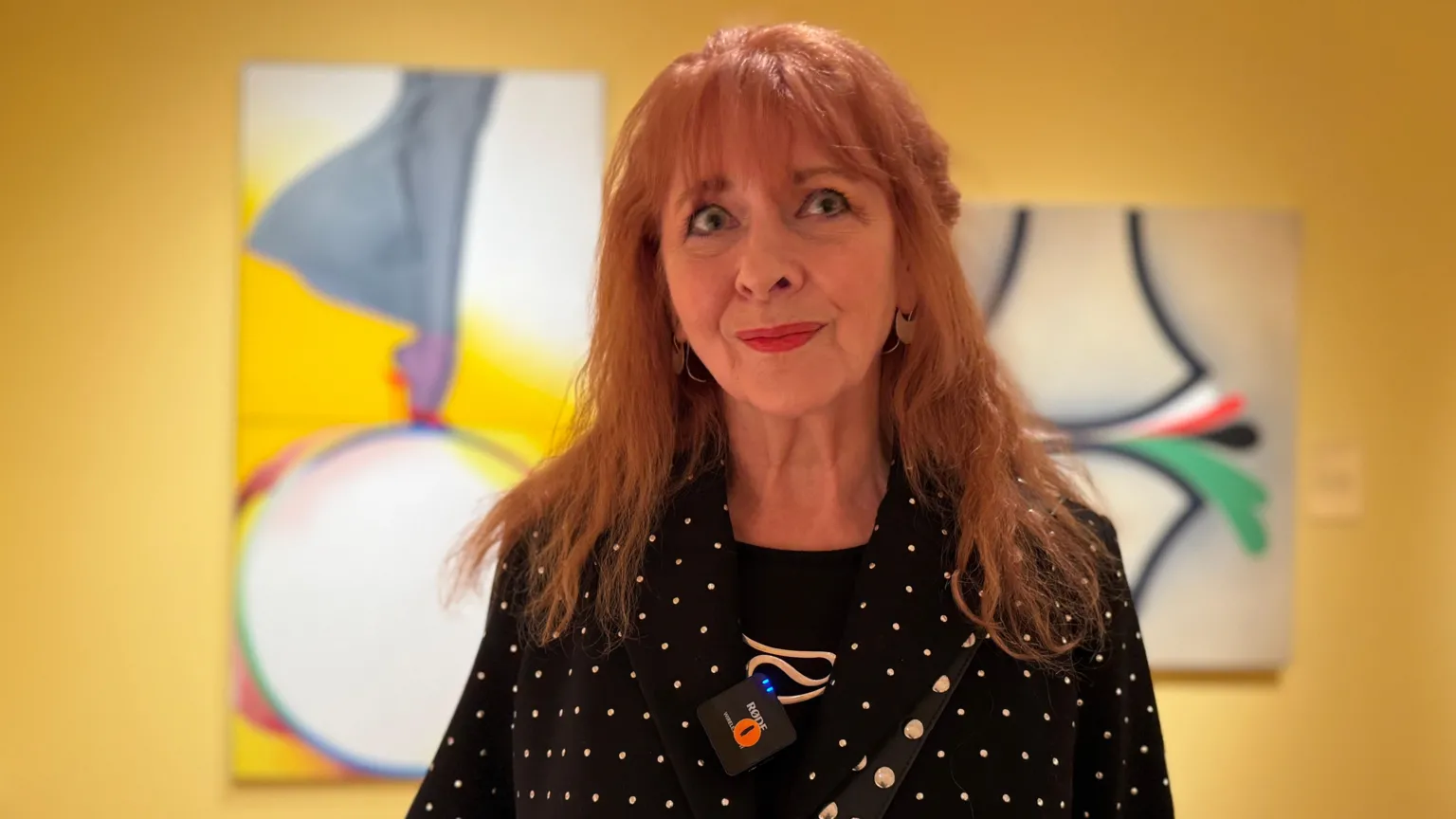
Taylor described the current collection as her and the two other curators' "baby," emphasizing the extensive work involved in rebuilding it.
"To rebuild that has taken an awful lot of work from Elizabeth, myself and now Charlotte."
She recalled traveling to locations such as Monte Carlo to acquire pieces.
"We can remember the auctions that we went to and how thrilled we were to find something."
Exhibition Details
The exhibition showcasing the rebuilt collection is ticketed and will be on display until September.


