Introduction to the Lincluden Rhinos
For decades, two distinctive fibreglass figures have stood prominently at the entrance to a housing estate in the south of Scotland. These rhinos have become a familiar part of the local landscape, despite their far-from-native origins.
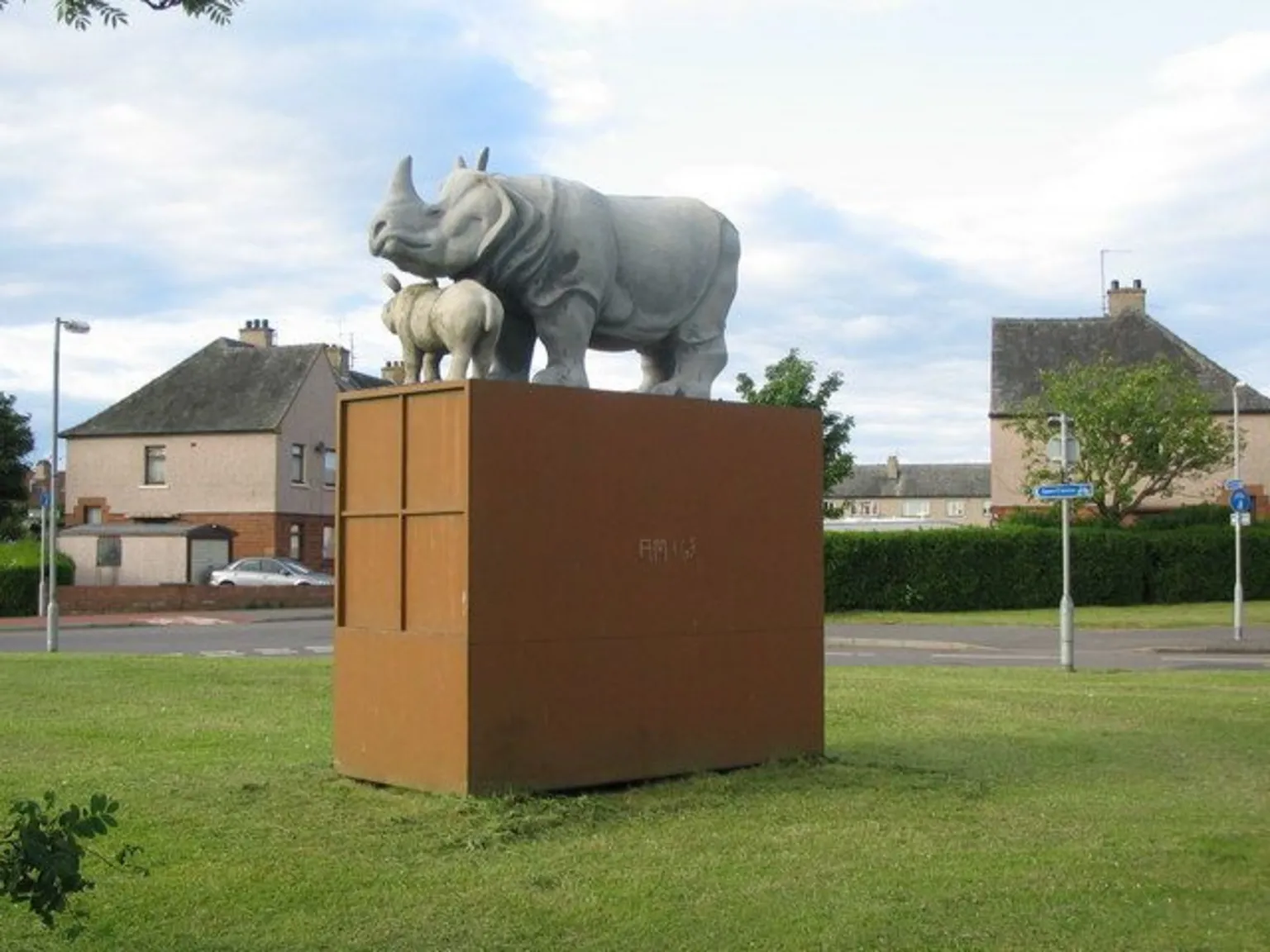
The artist responsible for the Lincluden rhinos, Robbie Coleman, cannot recall the exact date when the first rhino was installed, but he acknowledges it has been there for a considerable time. Over the years, the rhino has been relocated, placed into storage, had a smaller 'baby' rhino added, and seen additional artworks decorate its base.
The question remains: how did a model of this exotic animal come to overlook the horizon in north-west Dumfries?
Creation and Installation
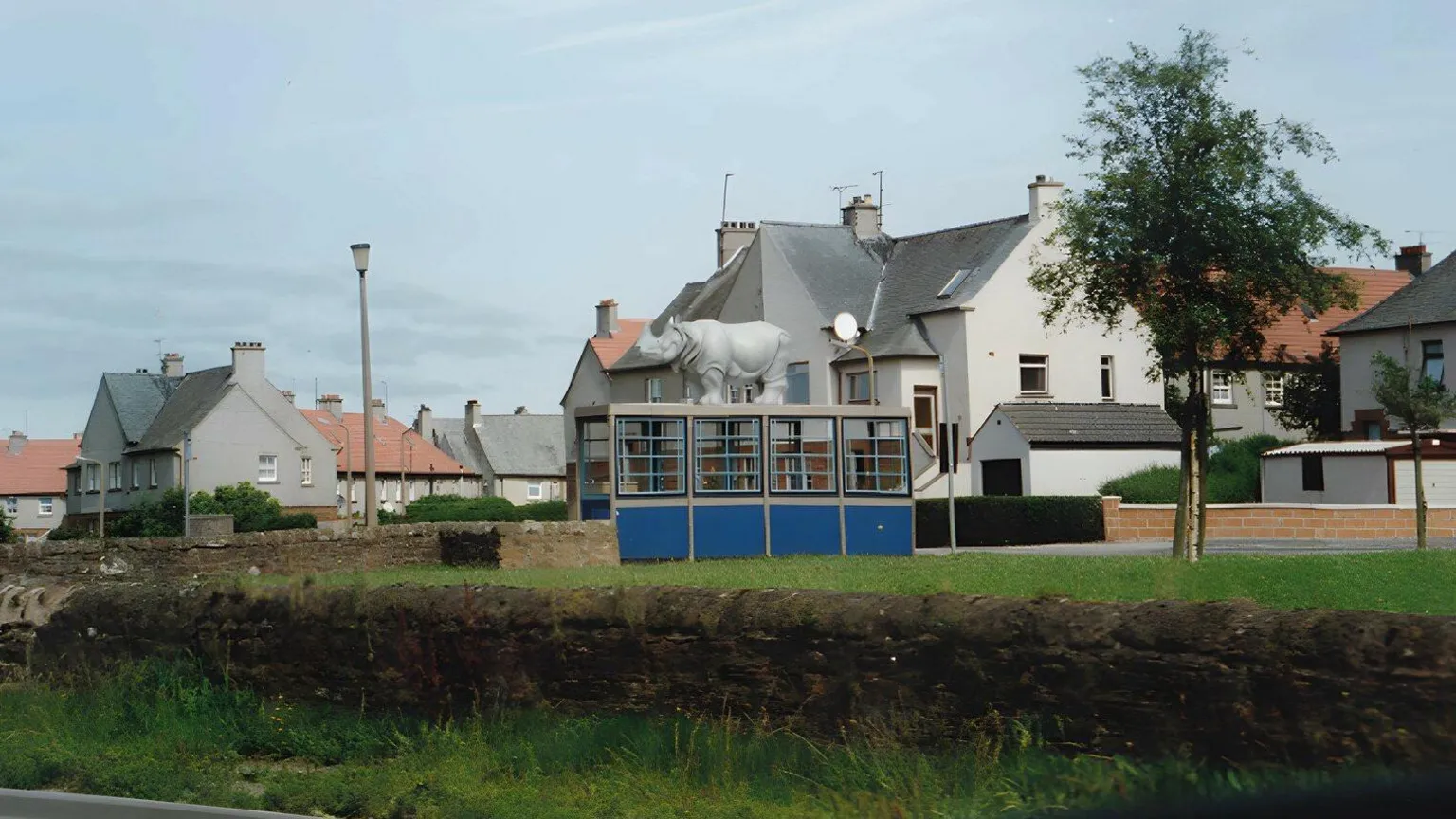
Robbie Coleman, now residing near the village of Moniaive, roughly 20 miles away, admits he cannot remember the precise year the rhino was first installed but estimates it was in the late 1980s or early 1990s. The project was part of a broader initiative, which he believes was connected to commemorating Kirkpatrick Macmillan, the local inventor of the bicycle.
"The council asked me to look at renovating a couple of bus shelters in that area as an arts project," Robbie explained. "I think it was to do with the celebration of the local inventor of the bicycle."
Robbie collaborated with an after-school group of children and four students from the local art school. While two bus shelters were decorated with murals, the third received a more elaborate addition.
At the time, Robbie was involved in producing numerous fibreglass animals for a theme park. He showed the children images of his work, and they suggested placing an animal or fish atop the bus shelter. Ultimately, the group decided on a rhinoceros, which Robbie crafted in his workshop.
"I was involved in making a load of fibreglass animals for a theme park at the time," said Robbie. "I showed the kids a picture of some of the things I was making and they decided that it would be good if we had something on top, an animal or a fish or something like that. It was decided that a rhinoceros would be a good idea - we made the rhinoceros in my workshop and then that was it."
Initial Reactions and Challenges
Not everyone was optimistic about the project's longevity. While Robbie was securing the rhino to the bus shelter, a police car arrived, and officers expressed skepticism about the installation's durability.

"These guys were just going - 'that ain't going to last the weekend'," he recalled. "They said: 'A bus got hijacked here two weeks ago.' They were just telling me that it was going to be a disaster."
Despite these concerns, local residents responded positively.
"Lots of the people who lived in the houses nearby were coming out and talking to us," said Robbie. "The people thought it was pretty funny - it's not a big pretentious piece of artwork that no one understands."
Predictions of vandalism or destruction have largely proven unfounded. Robbie noted only one significant incident of damage when the rhino's horn was broken, likely by accident, which he subsequently repaired.
"I know a couple of people - drunk on a Saturday night - have been on top of it, but it has only ever been damaged once," said Robbie. "Somebody had broken the horn off - I think it was an accident - but, anyway, I repaired that."
Relocation and Community Involvement
During roadworks related to the construction of a nearby McDonald's, the statue was removed and placed into storage. Robbie later discovered it there and ensured its return to Lincluden, where it was mounted on a plinth rather than the original bus shelter.
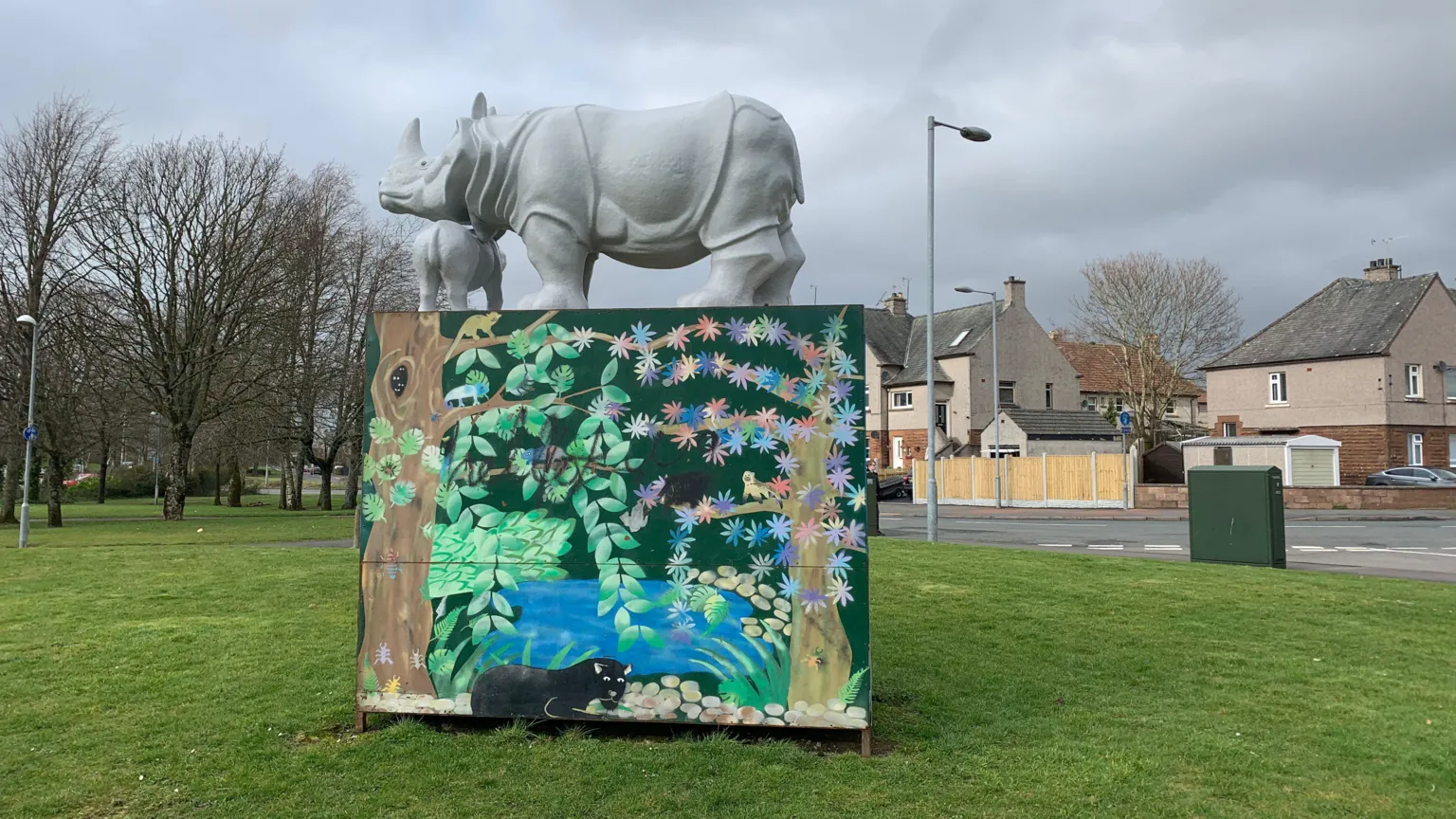
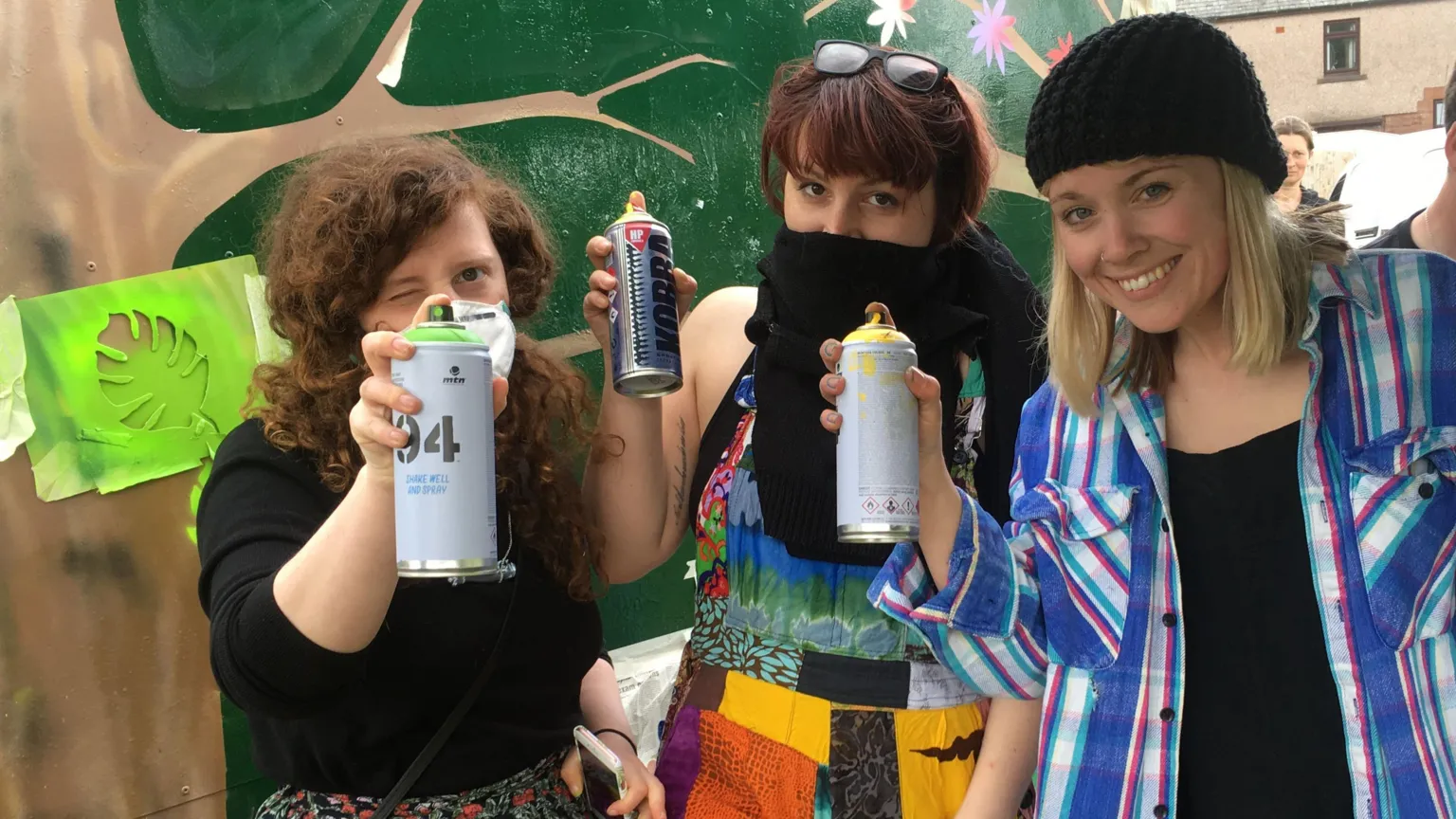
This relocation led to further community engagement. About eight years ago, Kirsty Turpie, a creative industries lecturer at Dumfries and Galloway College, became involved. At the time, she was working as the public art project worker for the Creative Futures initiative.
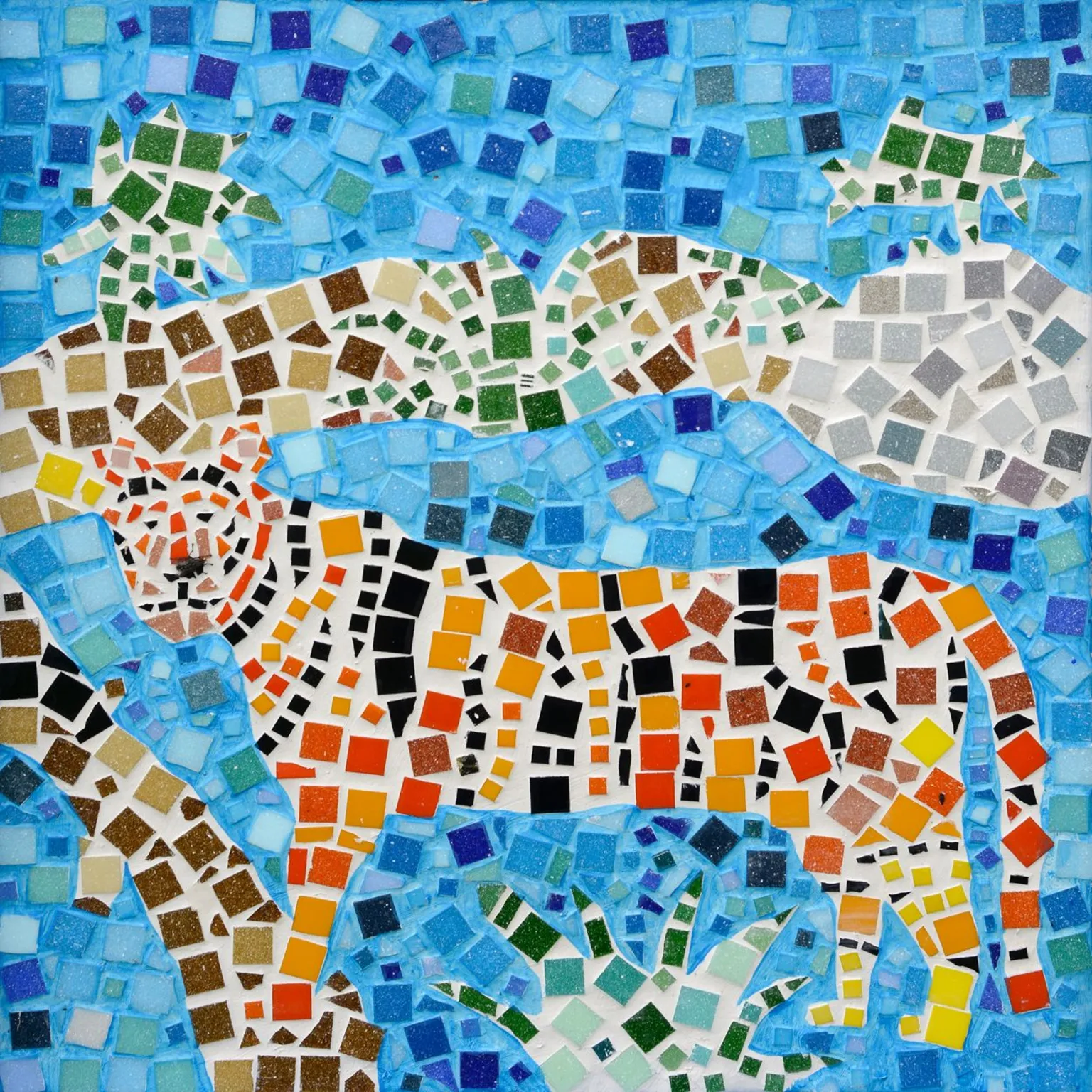
"We invited people to consider how they might revitalise the rhino statue," she said. "So we decided that we were going to put mosaic panels into the windows and then do spray-painted designs around the rest of the base."
Kirsty facilitated participation from residents of Lincluden and nearby Lochside, encouraging them to create a piece that felt personal and vibrant.
"It was really a project for the community to create something that added more colour and interest into their area," she said. "And I think everybody that took part was really happy with what the outcome was."
Further Artistic Endeavors
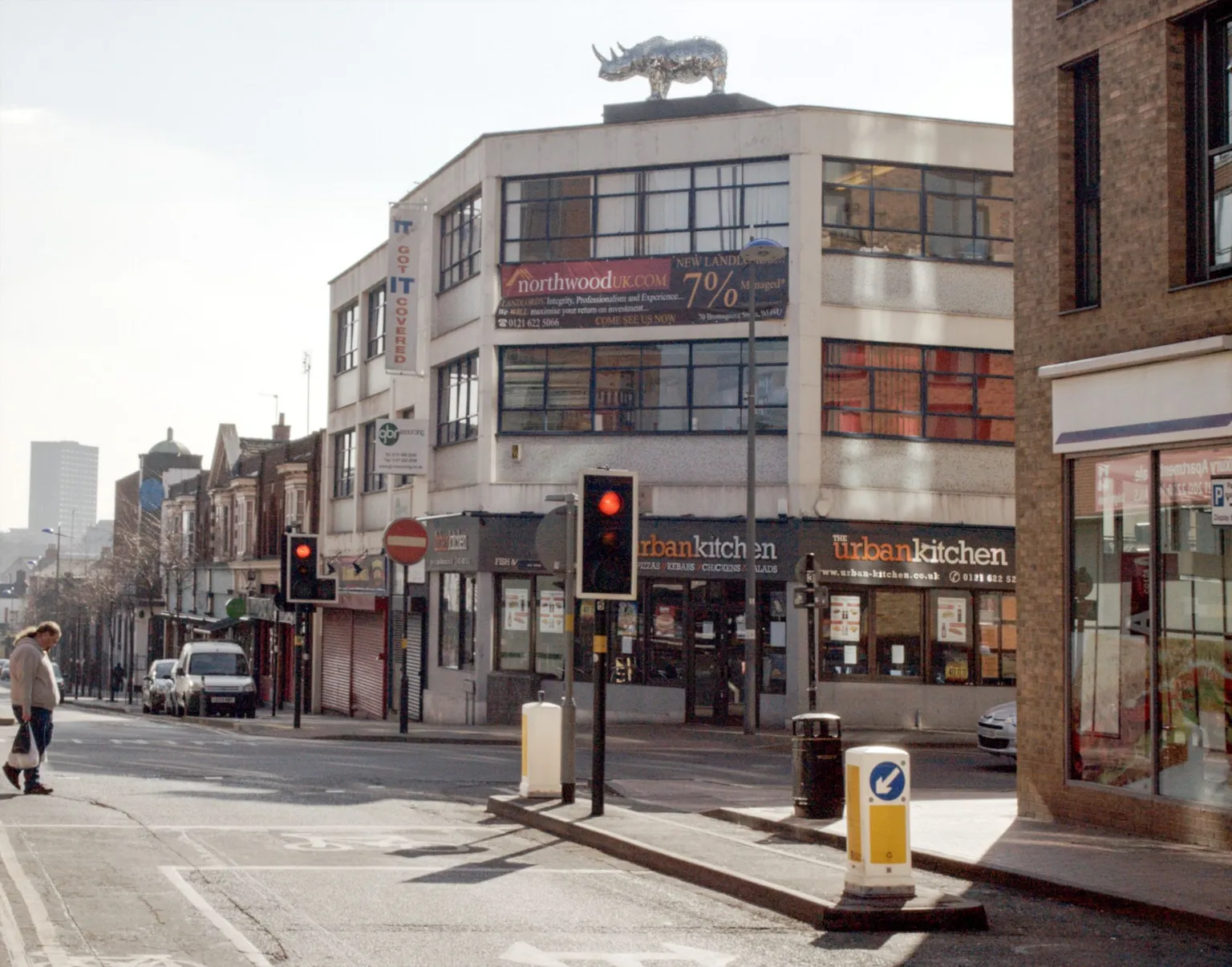
Robbie also shared an interesting continuation of his work with rhino sculptures. He was commissioned to create another rhino for a "gateway" project in Birmingham's Gay Village, hundreds of miles from Dumfries.
"So there's a diamond-covered rhinoceros on the top of a building in Birmingham," he explained.
If this new installation proves as resilient as its Scottish predecessor, it is likely to remain a local landmark for many years.