

Background and Concept
Squeeze’s first new album in almost ten years draws from material written during the band members’ teenage years. The result is an endearing yet somewhat immature collection of songs.
In interviews promoting their 16th album, Chris Difford and Glenn Tilbrook have openly discussed the motivation behind its creation. After the lukewarm reception to The Knowledge in 2017, Tilbrook recalls someone telling him:
“Nobody is interested in a record. What matters is Squeeze’s story.”
That statement stayed with him and influenced the direction of the new album.

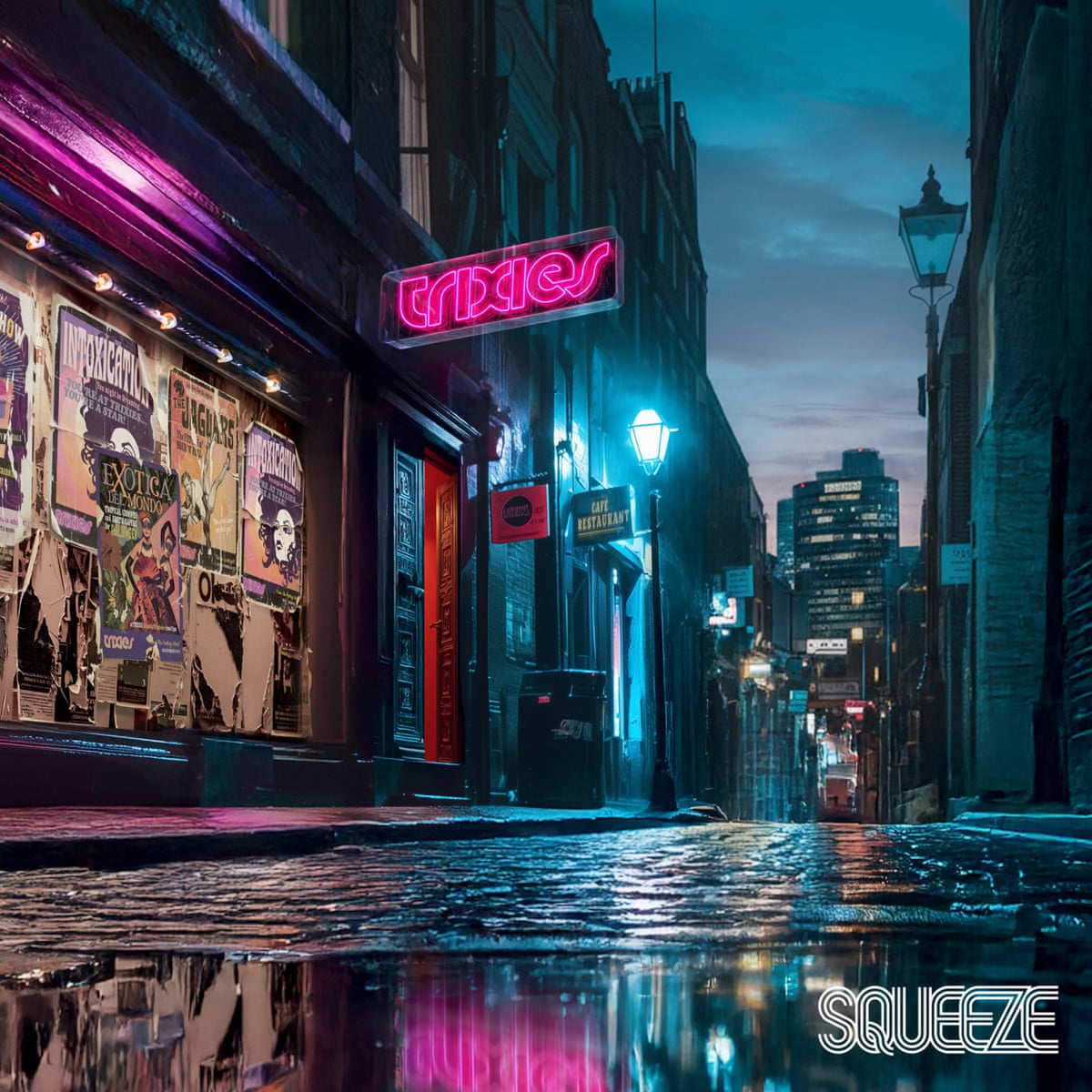
Trixies is not only a concept album but also a musical centered around a fictional nightclub. Additionally, the album carries an intriguing backstory: it was originally written in 1974 when Difford and Tilbrook were teenagers but remained unrecorded because they lacked the ability to properly perform the songs at that time. Thus, the album serves both as a new release and a nostalgic offering for fans eager for earlier material.
Musical Influences and Style
The influence of the year 1974 is evident throughout the album. For example, "The Place We Call Mars" not only references a planet famously associated with David Bowie but also mimics a vocal style and features a guitar solo reminiscent of Mick Ronson. The track "Hell on Earth" incorporates staccato keyboards that evoke the sound of Sparks; Difford mentioned he originally composed the music on an RMI piano, an instrument used by Ron Mael. Furthermore, the hard-rock tango rhythm of "Why Don’t You" may owe a stylistic debt to the Sensational Alex Harvey Band’s 1973 rendition of "Next."
Musical Theatre Elements and Lyrics
The album strongly resembles a musical, with extensive descriptive elements and a variety of archetypal song types such as brassy stompers, rock’n’roll numbers, and wistful ballads. One can easily imagine these songs being performed on stage, with a lead character looking up at the gods while dancers enact the scenes behind them. The album has been described as Runyonesque, which is accurate in a similar way that Oasis is Beatlesesque; however, the lyrics were penned by a teenager—a precocious one, admittedly, but still a young writer exploring themes beyond his personal experience. Consequently, the lyrics consist largely of cleverly arranged clichés, though the intricate internal rhymes characteristic of Difford’s later work are already apparent.
Overall Impression
While the songs would be engaging with theatrical staging, they lack the dramatic impact and memorable hooks necessary for a compelling standalone album. There are moments where listeners can discern the future sound of Squeeze, but these are isolated highlights. The album is enjoyable and conceptually interesting, yet it is unlikely to supplant classics like East Side Story in listeners’ collections.


