Sharon D Clarke Cast as Othello in RSC's New Futuristic Production
The Royal Shakespeare Company (RSC) has announced that Sharon D Clarke, a three-time Olivier Award winner, will portray Othello as a black lesbian general in a futuristic reimagining of the classic play. This production aims to present the 400-year-old story through an "urgent new lens," focusing on themes of misogynoir.
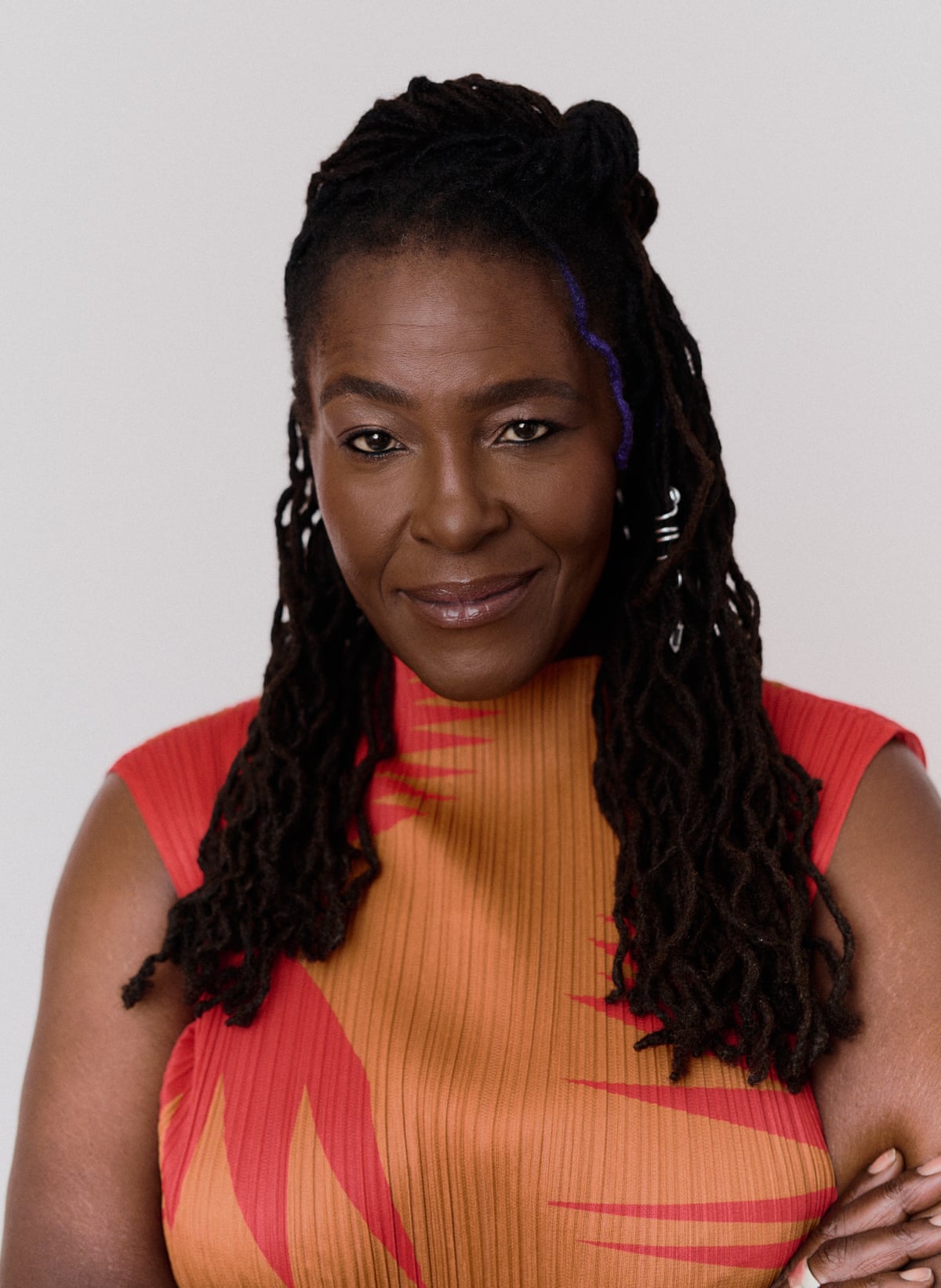
Clarke, who has an extensive background in West End and Broadway productions, initiated the project at the RSC with the innovative concept of depicting Othello as a black lesbian general married to a younger Desdemona. The production will explore this dynamic within a future setting, deliberately avoiding traditional portrayals and the "whole camouflage" aspect often associated with the character.
Recasting and Thematic Exploration
Reflecting on her involvement, Clarke compared this project to her previous experience in Arthur Miller’s Death of a Salesman, which recast the traditionally Jewish Loman family as African American. She explained the impact of such casting decisions:
"Everything was ramped up. The American dream became so visceral because you could see the American dream and the impossibilities of it for that family. I’m hoping now through this lens with Othello, you will have to see things differently."
Clarke further elaborated on the challenges her character faces in a predominantly male environment, emphasizing the importance of maintaining dignity, strength, power, and womanhood:
"She is predominantly in a male environment, so how does she deal with that on a day-to-day basis? How does she keep her dignity and her strength and her power and her womanhood on display?"
The production will feature a 15-year age gap between Othello and Desdemona, adding further depth to their relationship dynamics.
Historical Context and Previous Productions
The RSC has a history of groundbreaking Othello productions in the UK. In 2015, Hugh Quarshie became the first black actor to play Othello at the RSC. However, Clarke is not the first black British woman to portray Othello as a lesbian; Gemma Bodinetz’s 2018 production at Liverpool’s Everyman Theatre cast Bridgerton star Simone Ashley in this role. Bodinetz described that production as a bold attempt to "make the play feel electric again."

Direction and Thematic Focus on Misogynoir
Monique Touko will direct the RSC’s production, which examines Othello through the lens of misogynoir, a term coined by Moya Bailey to describe the intersection of racism and sexism experienced by black women.
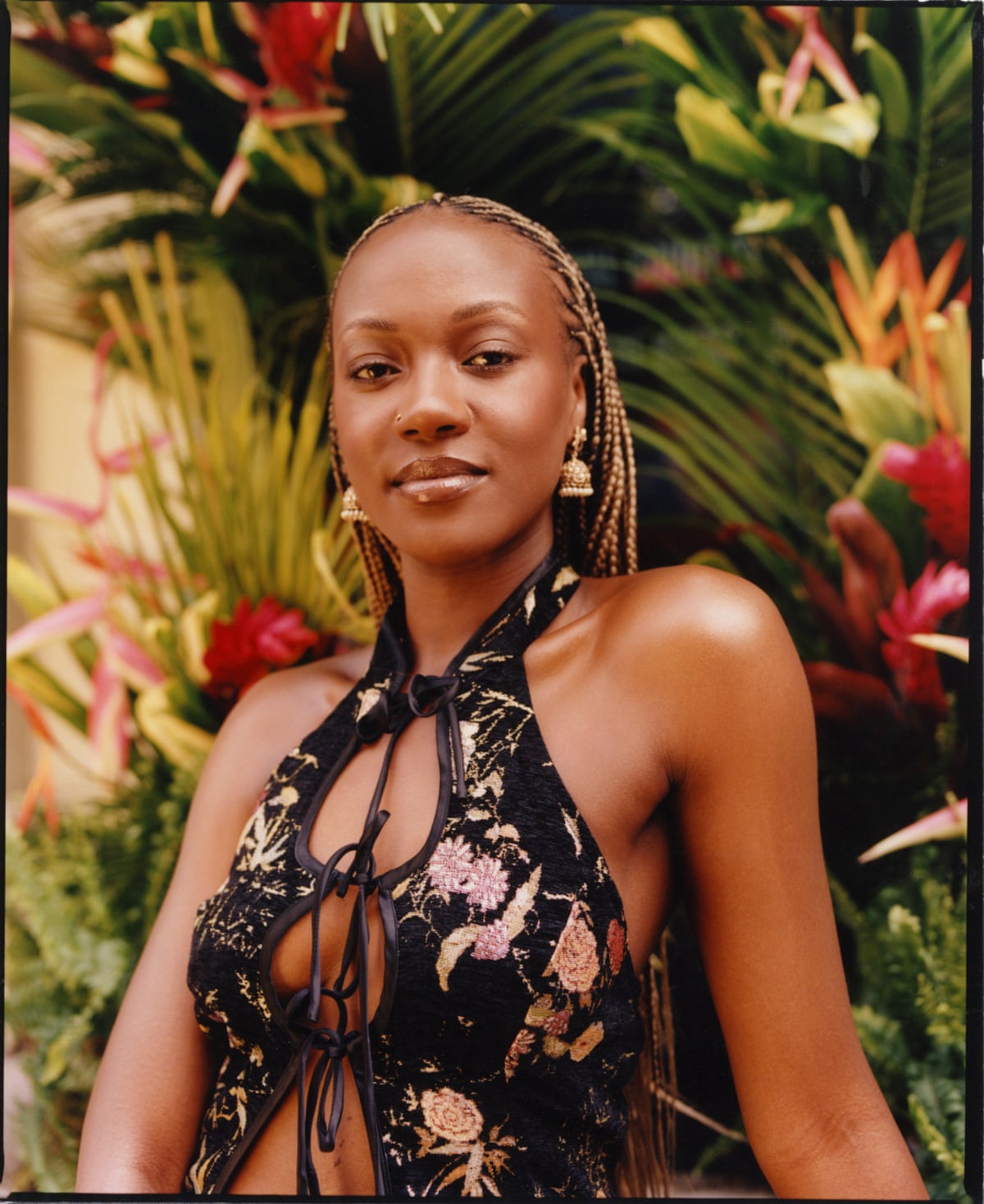
Clarke shared that she will draw upon her personal experiences as an out lesbian, including the challenges she faced from family members who doubted her future prospects due to her sexuality. She intends to incorporate these vulnerabilities into her portrayal of Othello, who, despite being a strong leader, will reveal moments of personal struggle.
"I’m going to incorporate that within her. She is the strong leader, but those vulnerabilities are still going to be there."
RSC’s Expanded 2026-27 Season Amid Challenges
This production is part of the RSC’s expanded 2026-27 season, which comes after a challenging 18 months marked by increased costs. To address financial pressures, the company decided to reduce its workforce by 11% to avoid what joint artistic director Daniel Evans described as a "crisis."
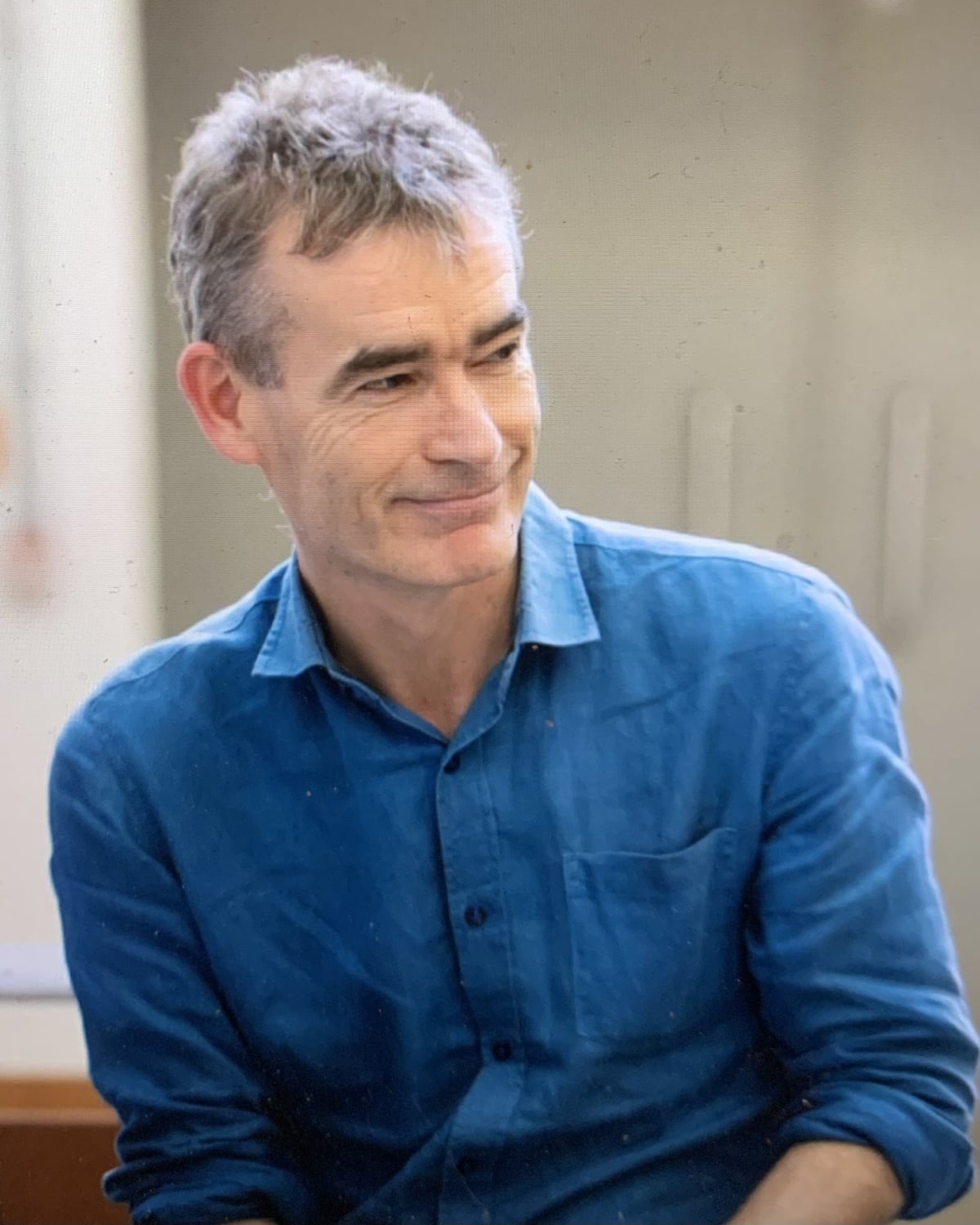
Former National Theatre artistic director Rufus Norris will make his RSC directorial debut with the premiere of Brock’s Mill, written by RSC writer in residence Stewart Pringle.
Additional productions announced for the season include a touring version of Blanche McIntyre’s The Merry Wives of Windsor and an early years adaptation of David Litchfield’s children’s book The Bear and the Piano.
New Appointments and Company Vision
The RSC has appointed Grammy, Olivier, and Tony award winner Martin Lowe as music associate. Paula Stephens joins as head of voice, while Emily Burns, Ryan Day, and Elizabeth Freestone have been named associate directors.
Evans and his joint artistic director Tamara Harvey emphasized the company’s commitment to inclusivity and relevance through their programming choices:
"We want to ensure that as many people as possible feel welcome at the RSC through the stories we choose to tell. Re-examining 400-year-old texts through an urgent new lens is part of that."