Introduction to a Unique Film Release
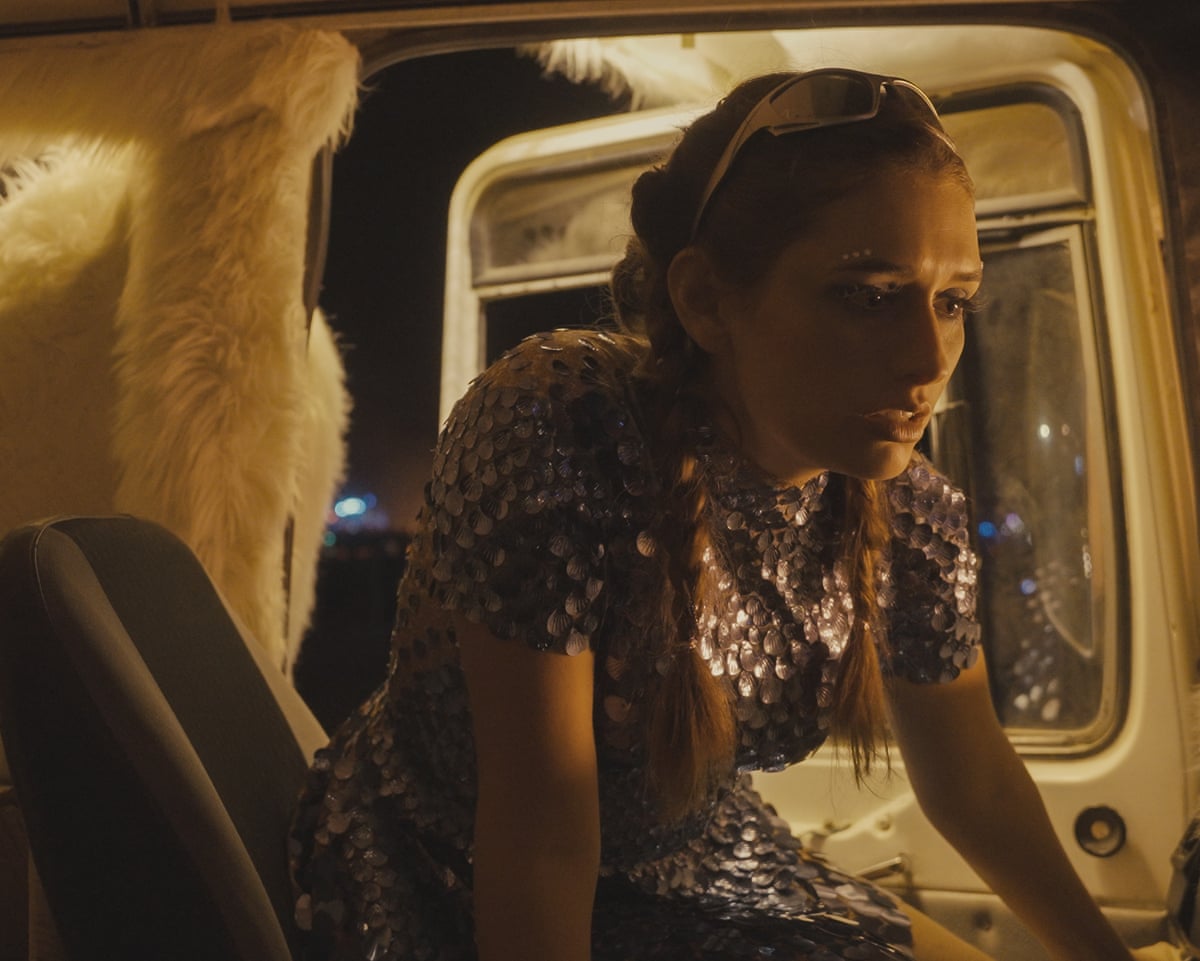
The South African filmmaker Roberto dos Santos has chosen an unconventional path for releasing his debut feature film. His film This Is How the World Ends tells the story of two siblings reuniting at a party set against the backdrop of humanity's end, with a setting reminiscent of Burning Man. What sets this film apart is its method of distribution: it is the first movie in 20 years to be released straight to VHS.
In the early 2000s, it was estimated that 90% of British households owned a VCR, marking the final flourishing period of the VHS format before it was supplanted by DVDs, Blu-ray, and eventually streaming services. The last manufacturer of VCRs, Funai Electric, ceased production in 2016. Therefore, releasing a film directly on VHS today makes viewing it a deliberately challenging experience.
Dos Santos explains the rationale behind this choice:
“I love the idea that you need to be part of the club to watch this. It’s for people that have a specific taste. There is a band of human beings who really understand what we’re doing.”
Originally trained as a lawyer, Dos Santos transitioned into filmmaking after experiencing multiple armed robberies within a few months. This prompted him to reconsider his life priorities, leading him to pursue his passion for film.
“I realised that I’m going to die one day and, if I’m going to die, I might as well do something that I’ll really, truly, passionately enjoy.”
The Film’s Themes and Format
Contrary to expectations that the VHS release would accompany a deliberately low-budget or campy genre film, This Is How the World Ends is a beautifully crafted modern indie film that explores significant themes. The narrative’s end-of-the-world hedonism can be linked to Dos Santos’s personal experiences. Notably, the film identifies artificial intelligence (AI) as the catalyst for the world’s end.
This thematic focus on AI influenced Dos Santos’s choice to release the film on VHS, emphasizing the human element in art and creativity.
“It’s a film made by humans for humans,” he says. “I want people to feel something that’s imperfect, because VHS is not a perfect medium, but there’s also a physical process to it. You have to order a tape and, for some people, actually go out and buy a VCR.
“I’m asking people to do a lot, but that’s what it means to be a human. That’s what it means to exist in this lifetime, to actually participate in the act of life, and not to just allow things to happen. It’s to go out there, and feel the bumps and the grooves of life.”
Dos Santos is openly critical of AI’s role in creativity.

“Someone once said that if your mum can do it, it doesn’t have value,” he states. “If everybody can do something, then nobody can do it. You wouldn’t watch a Fifa World Cup that was AI-generated. If there was a reality TV show and they said, ‘Oh, we just generated this,’ you wouldn’t watch it. Because what we’re drawn to is the idea that there are human beings interacting, engaging with one another, being part of the process.”
Challenges and Market for VHS Releases
Dos Santos has embraced the difficulties of this approach, including sourcing physical VHS tapes and learning the process of transferring his film onto them. Despite these challenges, there is a dedicated market for VHS releases. The subreddit r/VHS boasts 73,000 members who share their collections and thrift-store finds. Companies like Witter Entertainment produce specialized VHS editions of films such as Terrifier and Mandy. In 2024, Alien: Romulus was released as a limited edition VHS, reformatted into the 4:3 aspect ratio.
The appeal of VHS is twofold: nostalgia and the value of physical ownership. Dos Santos and others reminisce about the experience of visiting video stores, discovering unexpected films, and repeatedly watching rented tapes to maximize their value.
Moreover, in an era where cinematic archives are controlled by billion-dollar streaming platforms that can remove titles at will, owning a tangible copy of a film becomes increasingly meaningful.
“Hey, maybe we shouldn’t digitise everything,” Dos Santos reflects. “I’m a massive fan of vinyl. I love that if I put Led Zeppelin IV on, I have to listen to the whole thing. I’ve got to commit to listening to Stairway to Heaven without skipping it. You’ve got the intentionality of musicians. I know that VHS has a niche audience, but if we can bring people back to the hands-on effort of engaging with art, that’s something that I would love.”
Viewing Experience and Future Plans
While the author of this article did not watch the film on VHS due to practical constraints, they received an online screener. The screener’s password, “stuartpleasebuyavcr,” humorously acknowledged the challenge of viewing the film in its intended format. The film itself is visually striking, with desert scenes showcasing vivid HD details such as pink clouds and sand textures.
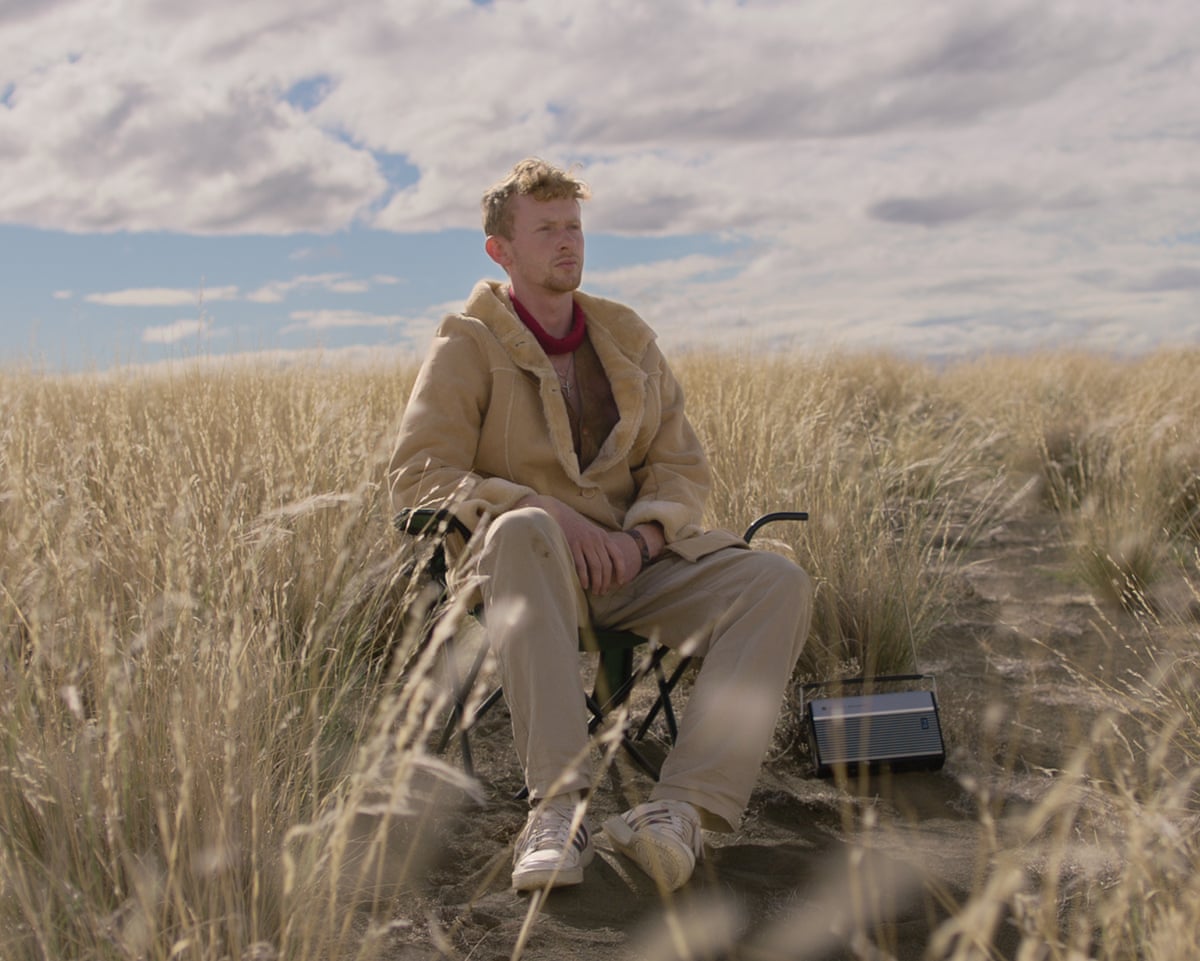
However, watching the film on VHS would mean sacrificing these high-definition details due to the format’s limitations. Dos Santos acknowledges this compromise but embraces it as part of the human experience.
“There will be image loss and a cropped image, and obviously I’m in love with the images we shot, so it’s a compromise,” he explains. “But I think that falls back on what I was talking about. Compromise is a part of experiencing life. Some film-makers would stick their noses up at VHS. But that’s the price you pay for being a human and for bumping up against the four corners of the world, and in this case, the four corners of the screen.”
Looking ahead, Dos Santos plans to reverse the traditional release order of films.
“We’re doing the opposite of what used to happen,” he says with a grin. “First you’d take a film to cinema, and then eventually at the very end you get VHS. And we’re like: no. If you want to watch this, get a VCR and let’s go. Then after that, we’re going to go to Blu-ray and DVD, and then after that, we’re going to go to cinema and streaming. But the first priority is VHS.”
This strategy appears successful, as demand for the VHS tapes has already required Dos Santos and his team to order additional copies before the film’s official release. He views this as the beginning of a niche but passionate community.
“Already I’ve had people literally send me a video, just like they just reach out on Instagram and say, ‘Hey, I bought my VCR so I can watch it,’ and I’m like, ‘You’re crazy.’ It’s madness. This will never be full-on mainstream, but I’m very happy about that. It’s nice to have a niche, and for those who are crazy and passionate enough, it’s saying: ‘Hey, there are others like us. We’re crazy and passionate, just like you are.”