An Unlikely Connection
One of the most unexpected pairings in film history involved Robert Duvall, renowned for his role in The Godfather, developing a deep affection for Scottish football and deciding to create a movie centered on it.
This passion led the Hollywood icon, who passed away recently, to visit football stadiums throughout Scotland, from Glasgow's Hampden Park to Palmerston Park in Dumfries.
The film produced from this endeavor, A Shot at Glory, may not rank among Duvall's most acclaimed works, yet it remains warmly remembered by Scottish football supporters who gathered in large numbers to witness its production.
First Encounter in Dumfries
In 1998, while working as a reporter for the Dumfries and Galloway Standard, I received one of the most unforgettable calls of my career.
"If you want to interview Robert Duvall, get yourself to the Gracefield Arts Centre car park in five minutes," my contact instructed.
True to the message, the man famed for portraying the Consigliere in The Godfather arrived in a vehicle with tinted windows and spent a few minutes speaking with me.
He was in Dumfries to evaluate Palmerston Park as a potential location for an upcoming film project and shared some details about it.
Shortly after, he was quickly taken away, leaving me questioning if the encounter had truly occurred.
Return and Filming at Queen of the South
However, Duvall returned the following year, drawing thousands of spectators to watch filming at Queen of the South’s home ground.
The story revolved around the fictional Kilnockie FC and their journey to the Scottish Cup final.
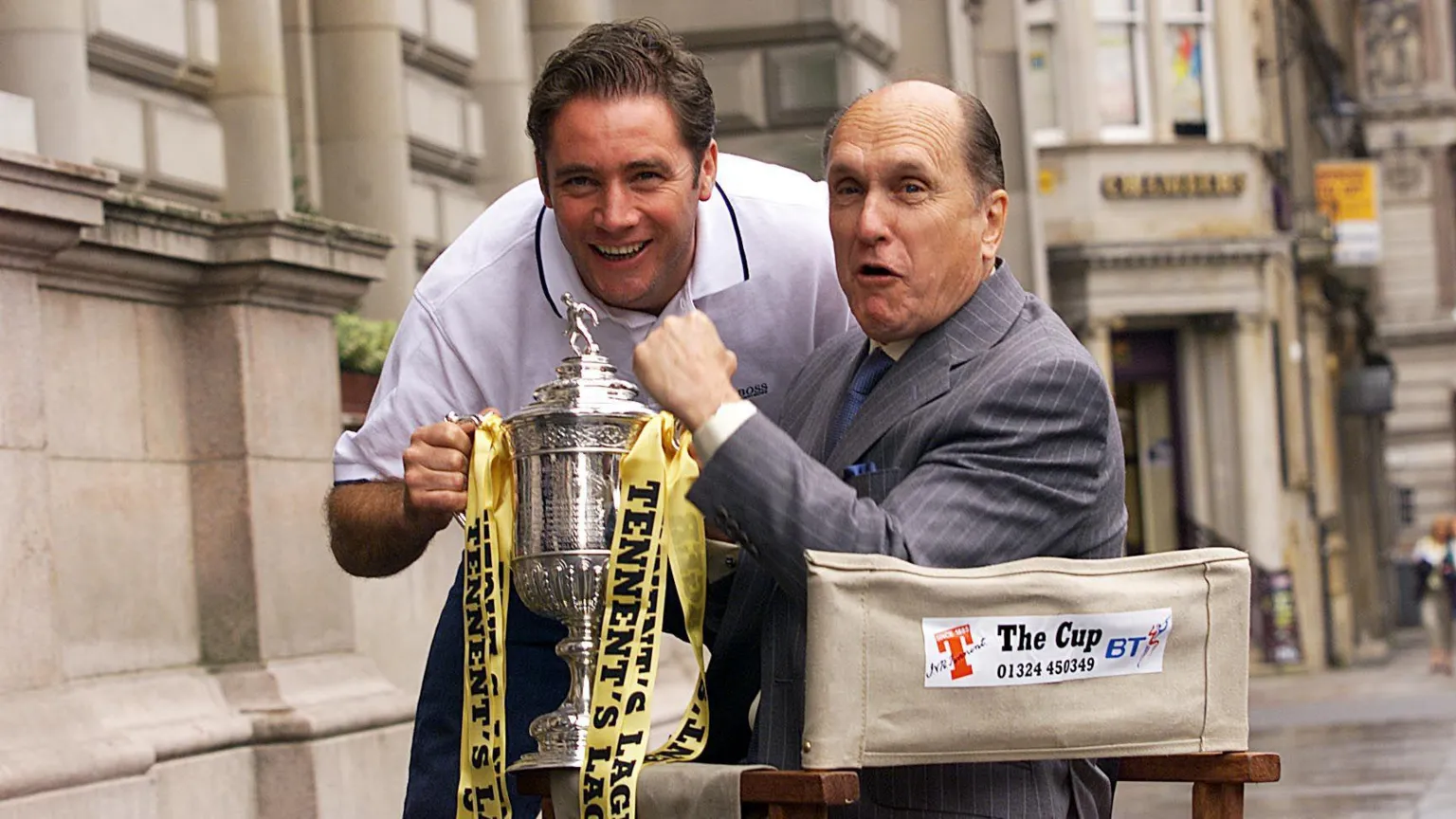
Among the cast was Ally McCoist, and the day featured numerous takes of overhead kick attempts, making for a long yet entertaining afternoon.

This event marked one of the busiest days the historic stadium had seen in quite some time.
It was likely the only occasion an Oscar-winning actor paced the touchline at Palmerston Park.
Filming Locations and Plot Details
The film’s production also took place at Hampden Park, Dumbarton’s former Boghead stadium, and the village of Crail in Fife.
The narrative focused on a football manager striving to lead his modest team to cup success amid challenging circumstances.
The team’s star player, portrayed by McCoist, presented management difficulties and was married to the manager’s daughter, played by Kirsty Mitchell.
Meanwhile, the club’s owner, played by Michael Keaton, threatened to relocate the team to Ireland.
Duvall’s Immersion in Scottish Football Culture
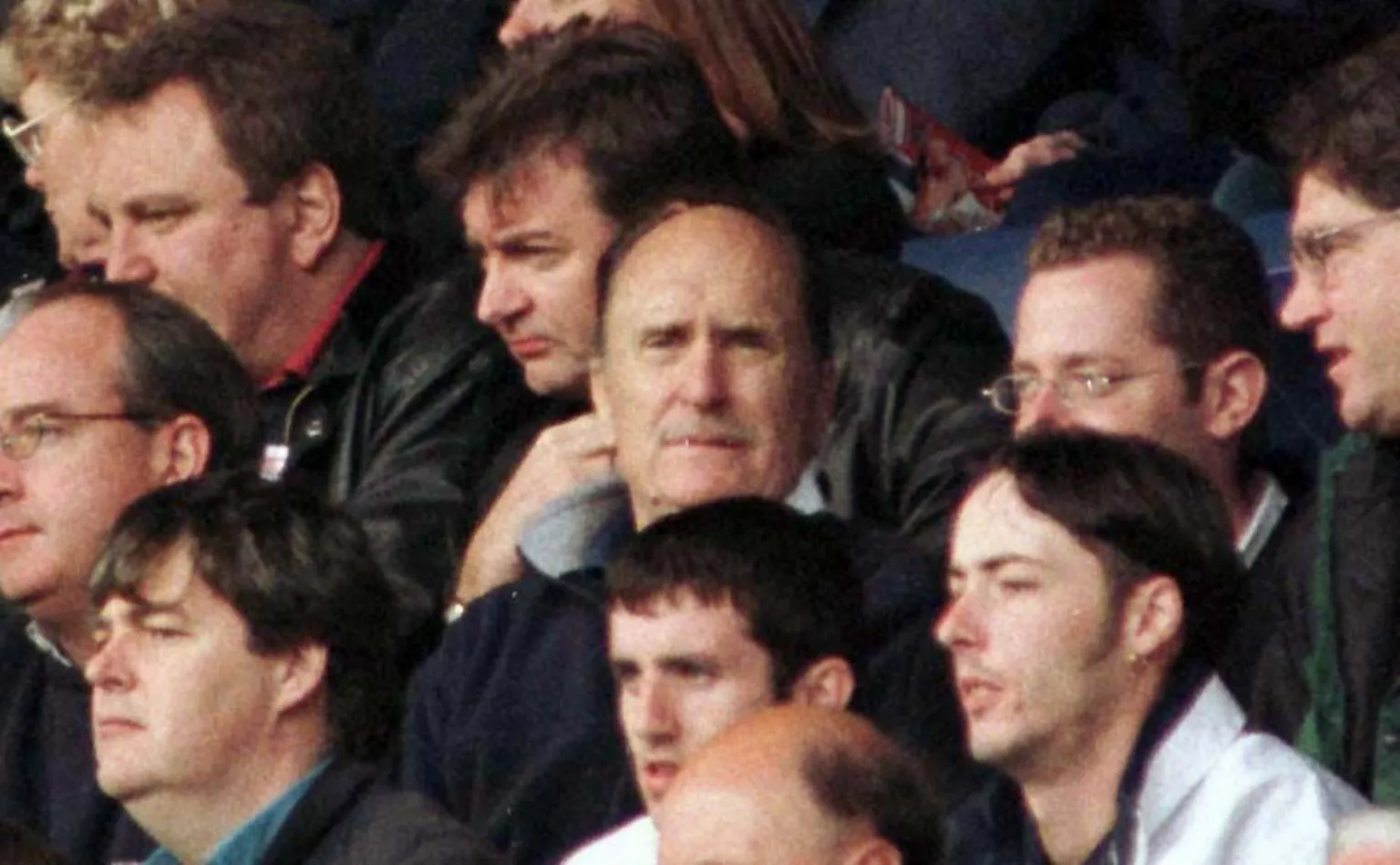
Beyond filming, Duvall immersed himself in the Scottish football scene, attending matches nationwide to absorb the atmosphere.
He even appeared as a pundit prior to the 1999 Scottish Cup final, discussing his film plans with presenter Dougie Donnelly.
"It is about a smaller team that plays in the cup and almost beats a bigger team," he explained.
McCoist, also part of the panel, added,
"It's the chance of a lifetime."
Reception and Legacy
The film premiered in 2000 and was subsequently released to mixed reviews, with some criticism directed at Duvall’s Scottish accent.
Nevertheless, it holds a special place in the memories of the thousands of extras, including myself, who witnessed Scotland serving as the backdrop for one of the finest actors of his generation.