

Rediscovery of a Lost Masterpiece
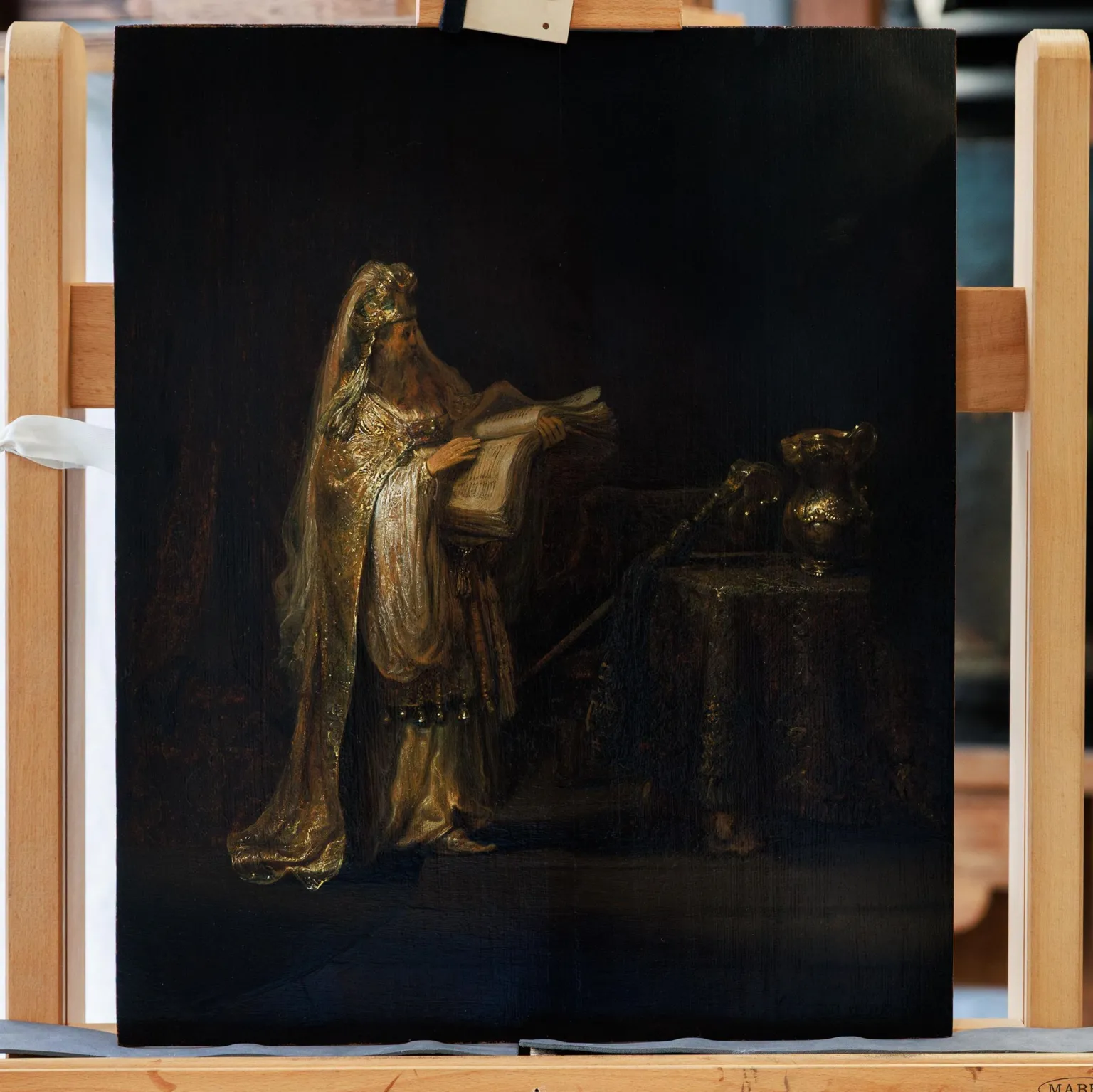
A painting by Rembrandt, long considered lost and unauthenticated for decades, has been rediscovered and confirmed as genuine by experts. The artwork, titled Vision of Zacharias in the Temple and dated 1633, had been excluded from the list of Rembrandt's works in 1960 and vanished after being sold to a private collector in 1961.
The painting reemerged when its current owners submitted it for examination at the Rijksmuseum in Amsterdam. The museum conducted a thorough two-year investigation to verify its authenticity.
"When I saw it in our studio when it was restored, I was immediately struck by the incredible power it has,"Rijksmuseum director Taco Dibbits remarked.
The Rijksmuseum frequently receives inquiries from individuals seeking information about paintings they have inherited or acquired, Dibbits explained. In this instance, the museum recognized the painting's potential significance early on.
"It came to us via email and one of our curators thought, this is really an interesting image, we've known about the painting for over 100 years but we've never seen it."
Authentication Process
The museum's experts confirmed the painting's authenticity by analyzing the pigments, which correspond with those Rembrandt used during the early 1630s. Additionally, the painting technique and the layering of paint matched those found in Rembrandt's other early works.
The signature on the painting was verified as original, and the wooden panel was dated to the appropriate period, further supporting its authenticity.

"Materials analysis, stylistic and thematic similarities, alterations made by Rembrandt, and the overall quality of the painting all support the conclusion that this painting is a genuine work,"the Rijksmuseum stated.
Artistic Significance
The painting exemplifies Rembrandt's work at the peak of the early stage of his career, according to Dibbits.
"It's very high quality. Sometimes with Rembrandt's portraits you feel that he's producing in quantity, but with this painting you really feel that he dedicated his soul to it."
The museum plans to exhibit the painting publicly starting Wednesday.
Rembrandt was 27 years old when he created this piece, which depicts the biblical scene where the high priest Zacharias is informed by the Archangel Gabriel that despite their advanced age, he and his wife will have a son, John the Baptist.
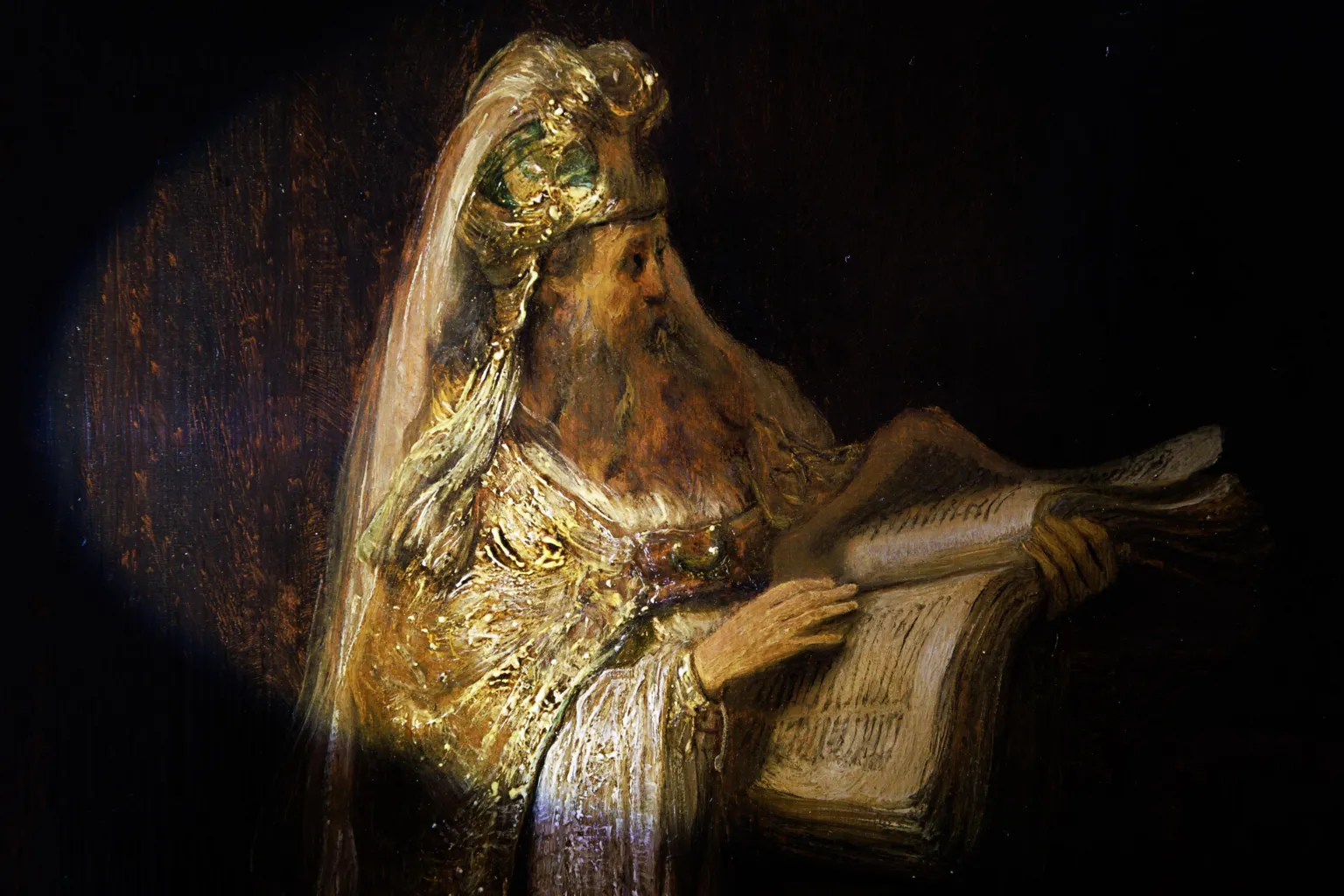
The Rijksmuseum highlighted Rembrandt's innovative approach to this biblical narrative. Unlike traditional depictions, Rembrandt chose not to show the Archangel Gabriel visibly but instead suggested his presence subtly. This departure from established visual conventions introduced a new method of portraying this subject.
Rembrandt selected the pivotal moment just before Gabriel reveals his true identity, emphasizing the tension and anticipation in the scene.
This work is among the few history paintings Rembrandt produced during this period, as he primarily focused on portraits at the time, which were more commercially profitable.


