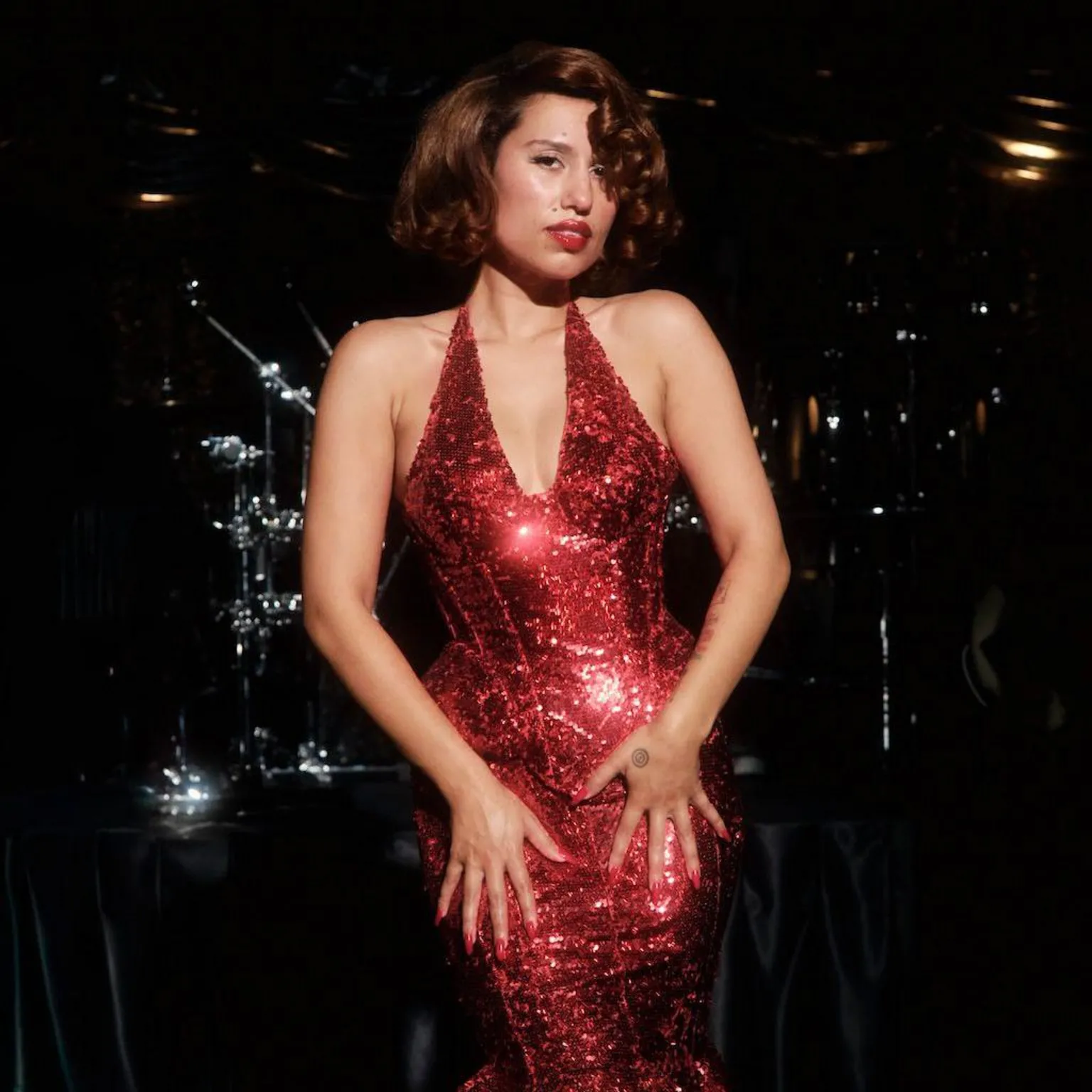
The Evolution of Rachel Agatha Keen
It has been remarkable to witness the artistic transformation of Rachel Agatha Keen, known professionally as Raye. Five years ago, she took a decisive step towards creative freedom by severing ties with a record label that had confined her to producing generic dance tracks she described as "really boring."
Freed from these limitations, Raye released her emotionally charged and instantly memorable debut album, My 21st Century Blues, which revealed an artist of exceptional depth and authenticity.
Driven by singles such as "Escapism" and "Oscar Winning Tears," the album garnered critical acclaim and won a record-breaking six Brit Awards, including Album of the Year. This achievement led to a memorable moment where Raye was seen "ugly crying on national television."
Reflecting on her journey in an interview with the BBC last year, she shared a candid moment of self-doubt:
"When you haven't written for a long time, you start being extremely self-critical. So I was hating everything I was coming out with," she said.
"I think the pressure is always going to be there, no matter what. But the luxurious thing now is that the pressure comes from me - because that wasn't the case in the past."
This insight provides significant context for her latest work, This Music May Contain Hope, a concept album that explores themes of heartbreak, self-doubt, online harassment, and challenging relationships.
Rather than succumbing to these difficulties, Raye confronts them head-on in pursuit of happiness, musically emerging with renewed vigor.
"There's a thing I miss in pop music today, which is that kind of Motown feeling, that classic feeling, that analogue feeling," she told me last year. "So I was really excited to really, really experiment with that quite vividly."
The album is imbued with the spirit of classic jazz, blues, big band, and soul, spanning over 71 minutes as Raye demonstrates her compositional prowess.
Opening with "I Will Overcome," the track depicts her scrolling through her phone on a rainy Parisian street, accompanied by an orchestral arrangement reminiscent of Stephen Sondheim's most dramatic work.
The narrative then shifts to South London, a setting where heartbreak is as common as the local pigeons. On "Beware… The South London Lover Boy," she describes "aimless" men with "spliffs hanging off their lips," crafting a song that bridges the gap between the Andrews Sisters and Beyoncé.
"Nightingale Lane" is named after the location of her first heartbreak, a quiet street near Clapham.
In "The WhatsApp Shakespeare," Raye cautions listeners about a "wolf in sheep's clothes, but in this case denim," whose poetic voice notes initially captivate her until she learns she is "one of seven other leading ladies." As his deceit unfolds, the music transitions from crisp hip-hop beats to a hard-boiled film noir crescendo, punctuated by ominous "Dum, dum, dummmm" sounds.

"Click Clack Symphony," scored by film composer Hans Zimmer, serves as a spiritual successor to Raye's 2022 hit "Escapism." Instead of drowning her sorrows in drugs and casual encounters, she reaches out to her friends, applies waterproof mascara, and receives the emotional support she needs.
That track ushers in a more hopeful tone. "Life Boat" offers a straightforward affirmation of optimism, set to a trance-inspired house beat, demonstrating that Raye could still produce a four-to-the-floor dance hit if she wished.
Similarly, "Joy," a duet with her sisters Amma and Absolutely, exudes unrestrained exuberance and features string arrangements reminiscent of Michael Jackson's "Don't Stop 'Til You Get Enough." "Skin & Bone," which draws inspiration from Aretha Franklin's funk classic "Rock Steady," tells a sultry story of a night on the prowl.
Elsewhere, the album includes a duet with soul legend Al Green, an ironically upbeat track addressing body dysmorphia titled "I Hate The Way I Look Today," and extensive spoken word narration.
Notably, the album features "Where The Hell Is My Husband," a standout track that debuted at Glastonbury last summer and is nearing one billion streams on Spotify.
Throughout the album, Raye delivers vocals with intense commitment. Her layered vocal arrangements and counter-melodies are intricately detailed, and her phrasing is refined, even on jazz-inflected numbers where less skilled pop singers might falter.
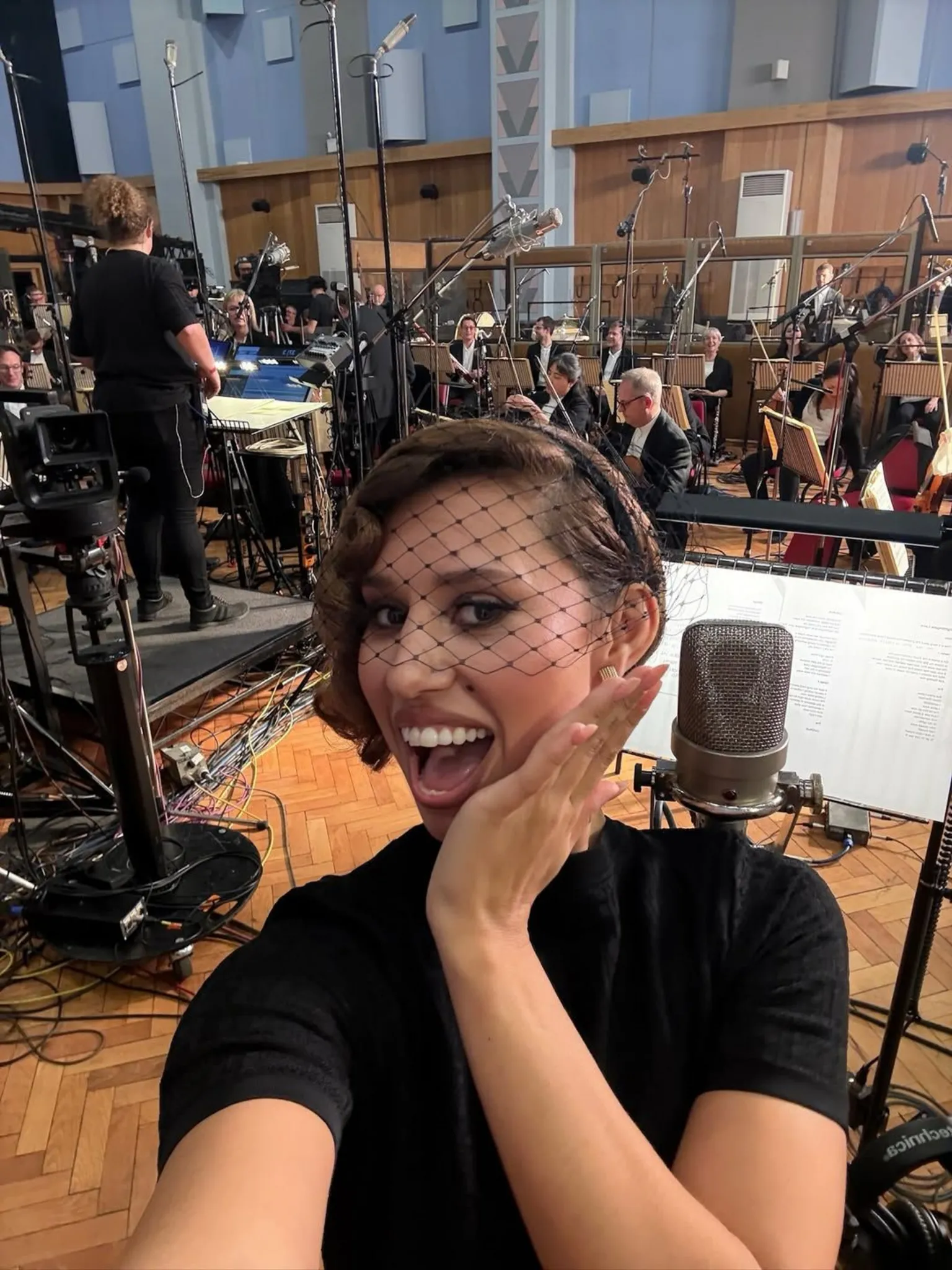
The album is ambitious and dense. It is overstuffed, eccentric, kitsch, dramatic, and at times somewhat exhausting. It concludes with four minutes of "credits," during which Raye expresses gratitude to everyone involved in the project, including all 80 musicians of the London Symphony Orchestra.
Upon first listen, the album can be overwhelming. However, with repeated plays, its nuances become clearer.
While not every element succeeds, in an era dominated by AI-generated content and meme-driven songs crafted for TikTok virality, it is refreshing to hear Raye unapologetically taking creative risks.
This music may indeed contain hope for the future of pop music itself.