Exploring Keynes’s Impact on Politics and Culture
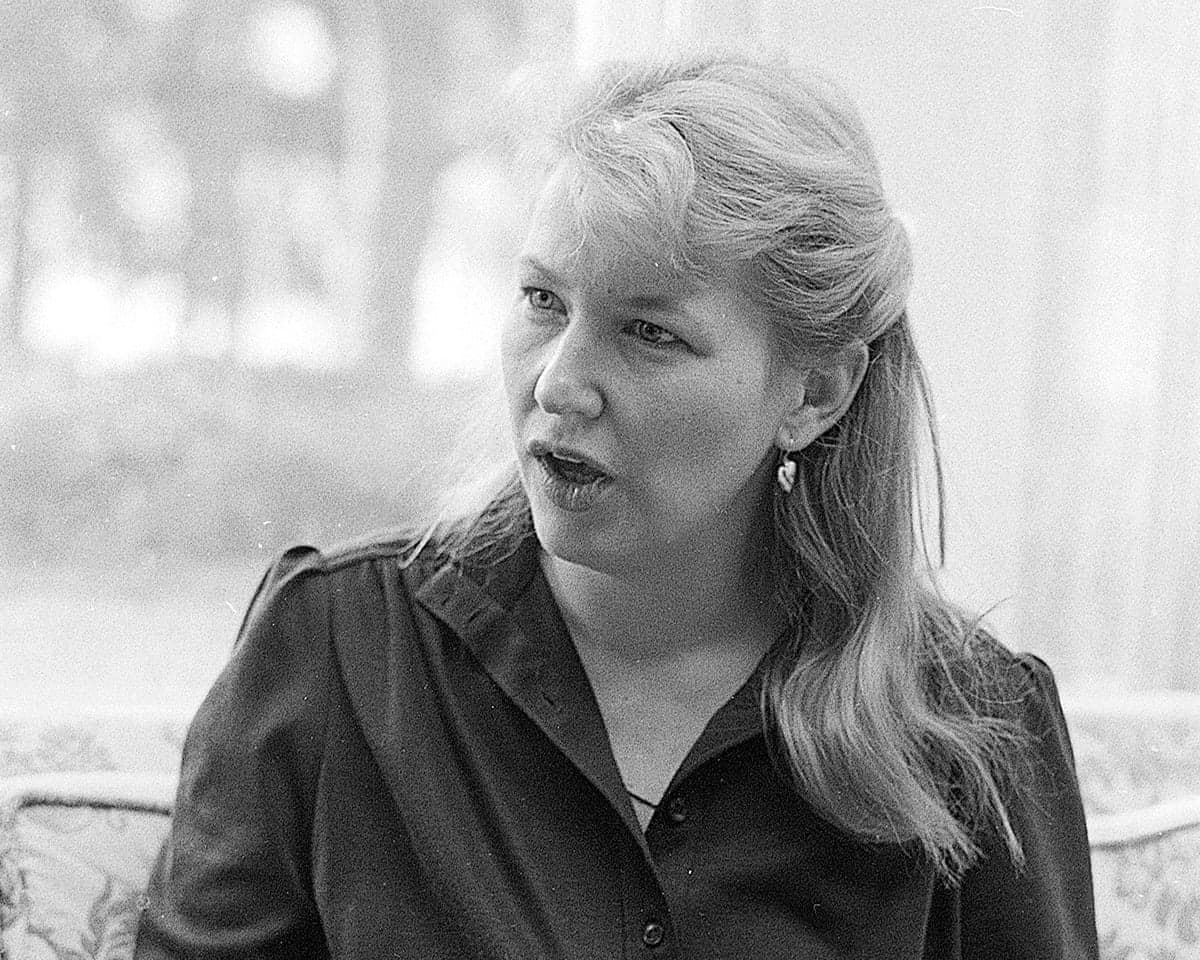
James Graham, known for his works on UK politics and cultural figures, has shifted his focus to John Maynard Keynes, a pivotal political and economic figure of the 20th century. His latest play, The Standard of Living, directed by Nicholas Hytner and set to open at the Haymarket Theatre in September, chronicles Keynes’s life from 1917 until his death in 1946. This period marks Keynes’s emergence as the founding father of macroeconomics and his profound influence on government policy regarding finance and the arts.

Rory Kinnear is cast as Keynes, whose life story, according to Graham, embodies the
“great struggle of an outsider and a disruptor whom people resisted for most of his life”.
Keynes’s Early Life and Economic Contributions
Born in 1883, Keynes initially studied mathematics at Cambridge before dedicating himself to economics. In response to the Great Depression of the 1930s, he developed a framework for governments to shield their citizens from economic downturns.
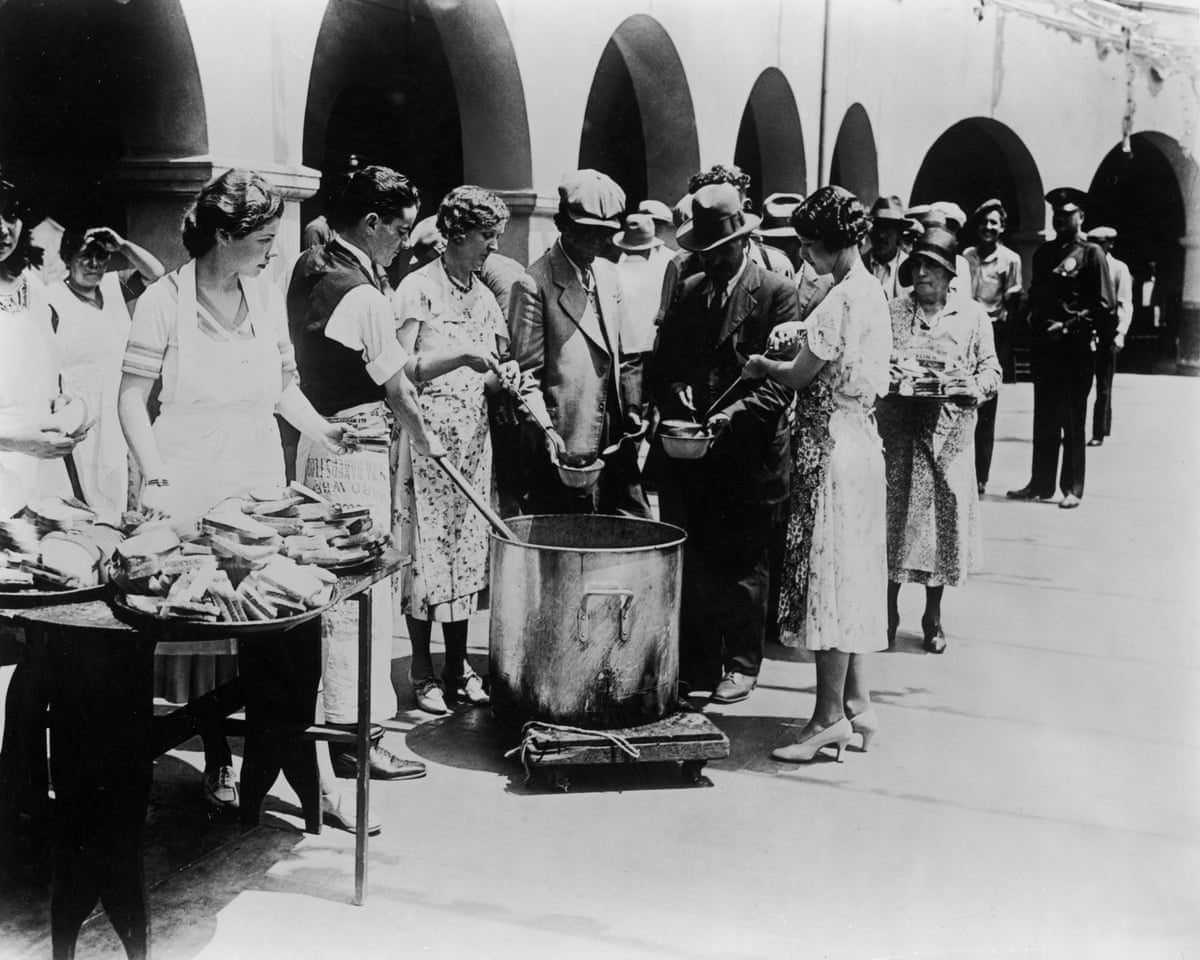
He advocated for active government intervention to stabilise the economy, proposing that governments should increase spending during economic hardships rather than relying on markets to self-correct.
Beyond Economics: Keynes’s Artistic and Personal Life
Economics was only one facet of Keynes’s diverse interests. Nicholas Hytner, who recently directed the Tony Award-winning John Lithgow, described Keynes as a
“radical” who championed the arts as well as economic reform.Keynes was a member of the Bloomsbury Group and lived openly as a bisexual man.
Graham’s play delves into Keynes’s relationships within the Bloomsbury circle, a collective of bohemians, writers, and artists that included his close friend Virginia Woolf and the painter Duncan Grant, whom Keynes considered the love of his life.
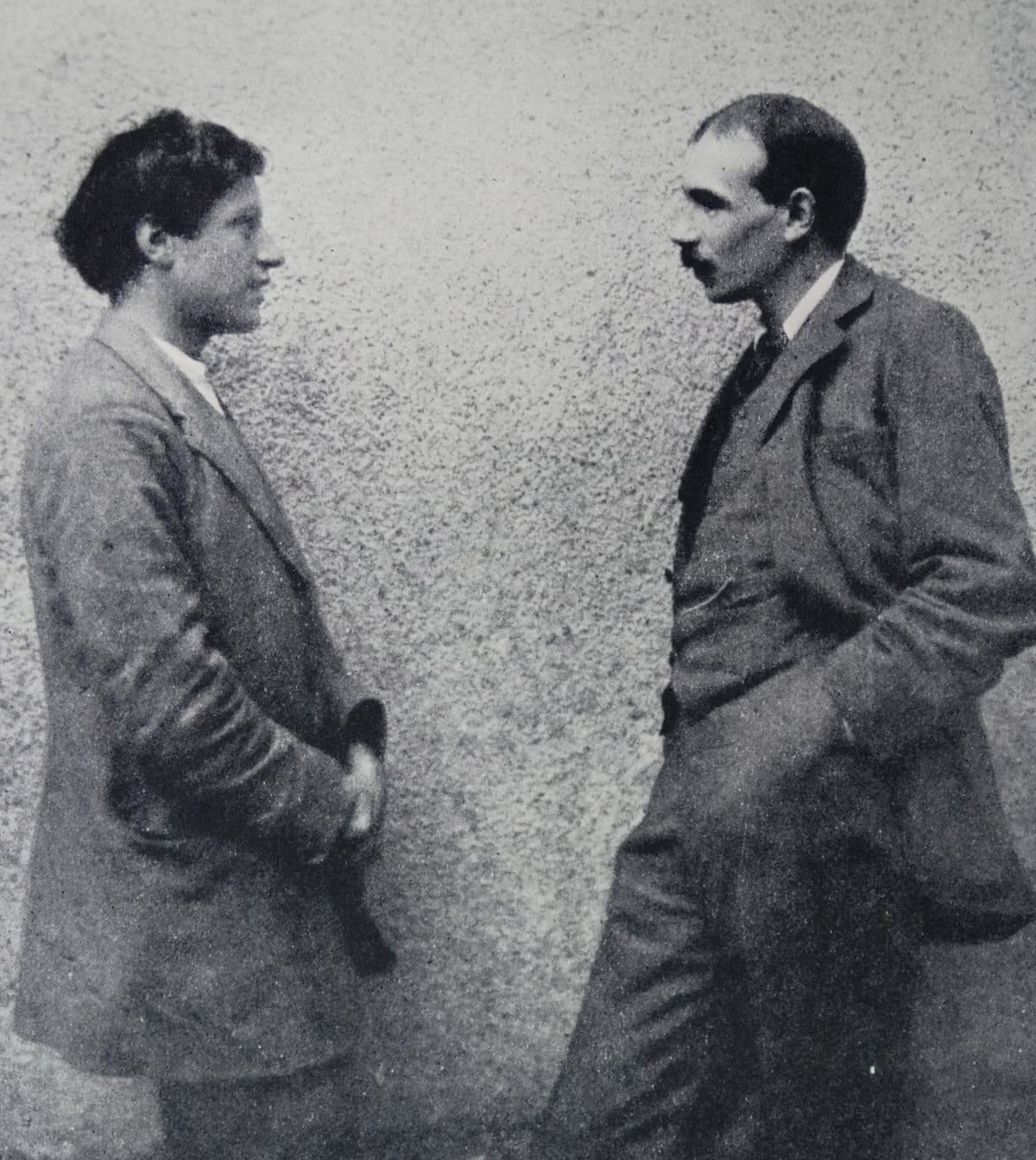
Hytner explained,
“It starts with him at odds with Bloomsbury,”noting that many of Keynes’s contemporaries disapproved of his high-level government involvement.
“He’s running down from Whitehall every weekend to Charleston, and they are – by and large – opposed to his involvement in the Treasury and the war,”Hytner said.

“His outlook was very largely shaped by artists. Those were the people who were most influential on him: painters, novelists, and critics.”
Graham added,
“People who love the Bloomsbury Group and Vanessa Bell are often not aware that one of the most impactful people of the 20th century was also hanging around in the same house – upstairs, writing a book.”
Keynes’s Seminal Work and Enduring Influence
The book Graham refers to is Keynes’s landmark publication The General Theory of Employment, Interest and Money, which proposed solutions to the economic challenges of his time. In 2017, it was voted the most influential economics book of all time.
In the UK, Keynes is credited with laying the intellectual foundation for an economic golden age, with GDP per capita growth averaging 2.44% annually between 1950 and 1973. His ideas also provided the theoretical basis for Franklin D. Roosevelt’s New Deal policies in the United States.
Personal Life and Controversies
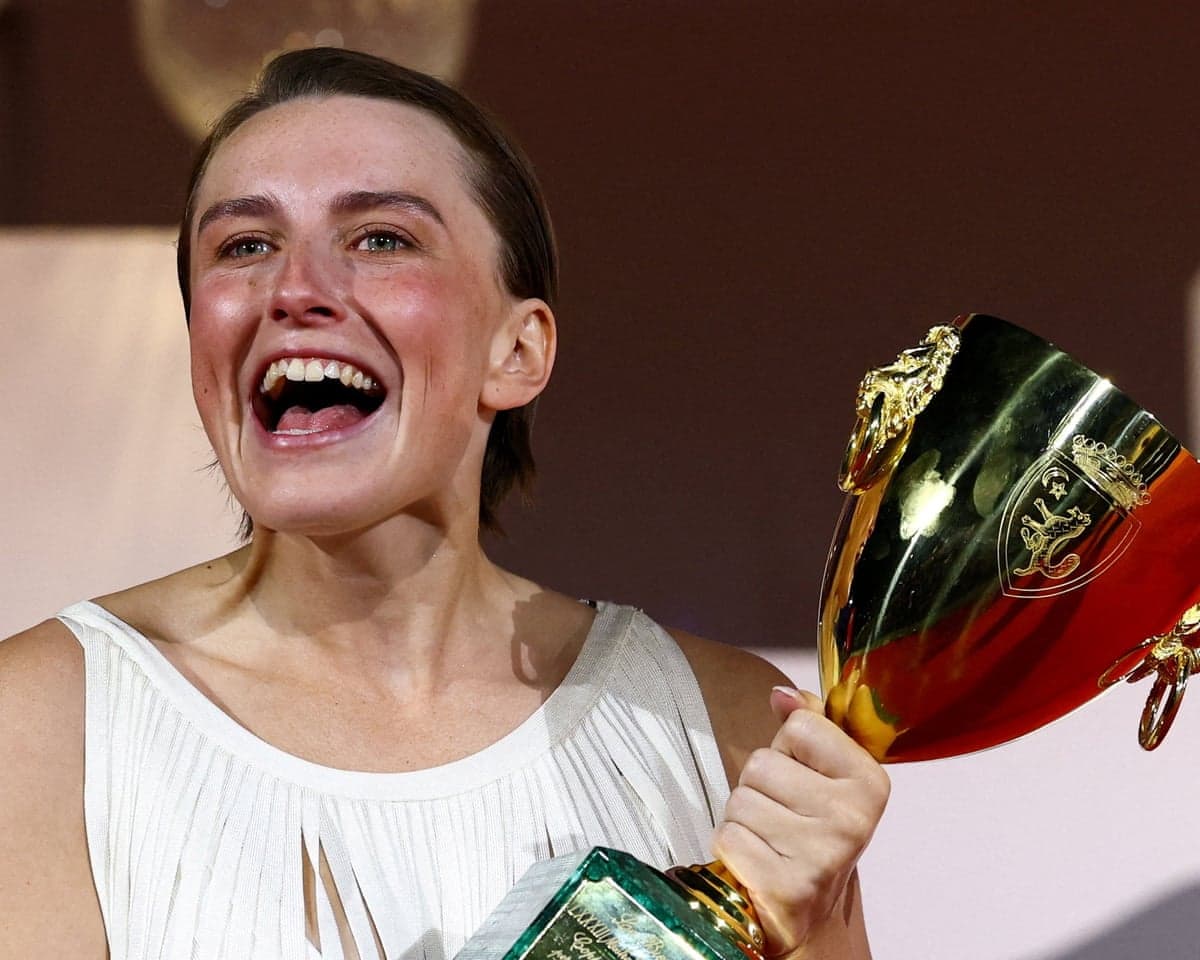
Although Keynes had relationships with men, he surprised many by marrying Lydia Lopokova, a Russian ballerina and star of Diaghilev’s Ballets Russes, in 1925 at age 42. His best man was Duncan Grant. In The Standard of Living, Lopokova will be portrayed by Royal Ballet dancer Natalia Osipova.
Keynes’s sexuality attracted criticism. In 2013, historian Niall Ferguson was criticised for making
“stupid and tactless”remarks suggesting Keynes did not care about future generations because he was childless and gay. In reality, Lopokova had suffered a miscarriage.
Key Figures and Intellectual Rivalries in the Play
Graham confirmed that Virginia Woolf will appear in the play, alongside Keynes’s intellectual rival Friedrich Hayek. Keynes regarded Hayek as
“the only really great man I ever knew”,despite their many disagreements on economic principles.
Relevance of Keynes’s Ideas Today
Both Graham and Hytner believe Keynes’s ideas continue to resonate in contemporary times. Hytner remarked,
“The problems that we’re currently facing seem so intractable that we appear to be paralysed. We appear not to be confident about our ability to take radical action. And he was nothing if not radical.”