Critics Label Michael Jackson Biopic a Sanitised Whitewash
Critics have described the new Michael Jackson biopic as a "whitewash", with several film reviewers stating it presents a "sanitised" version of the singer's life and career.
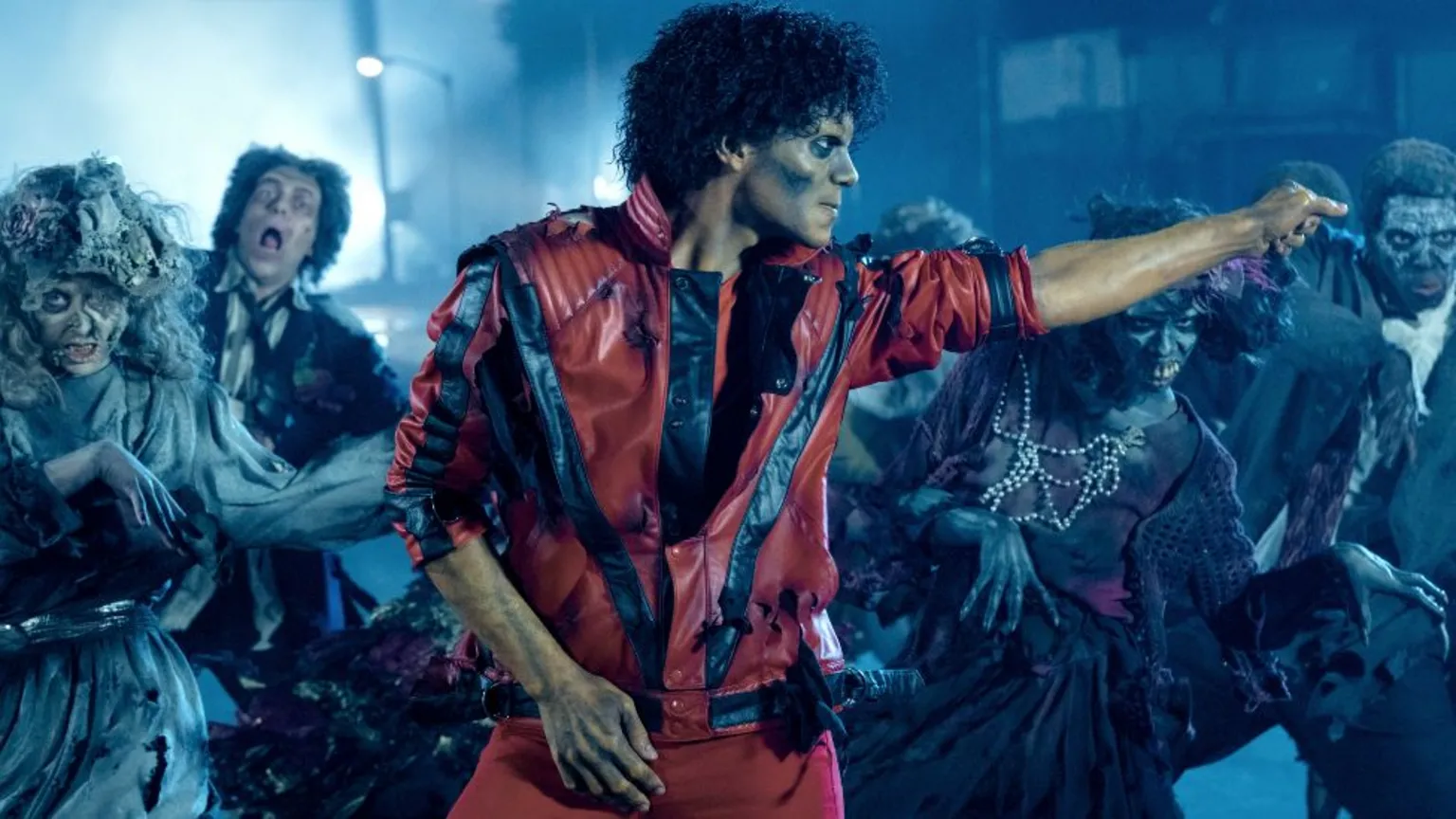
The film, titled Michael, features the singer's nephew Jaafar Jackson portraying the King of Pop. It traces Jackson's rise to fame with the Jackson 5 through to his highly successful solo career.
However, the movie omits any reference to the sexual abuse allegations against Jackson. This exclusion followed the discovery of a historic non-disclosure agreement (NDA), which led to the removal of some footage addressing these allegations.
The Hollywood Reporter commented that the film "delivers for lifelong fans who cherish the music," while The Telegraph observed that it "refuses to address the elephant in the room."
Michael is financially supported by the late superstar's estate and incorporates his original vocals in the musical sequences, which dominate the film.
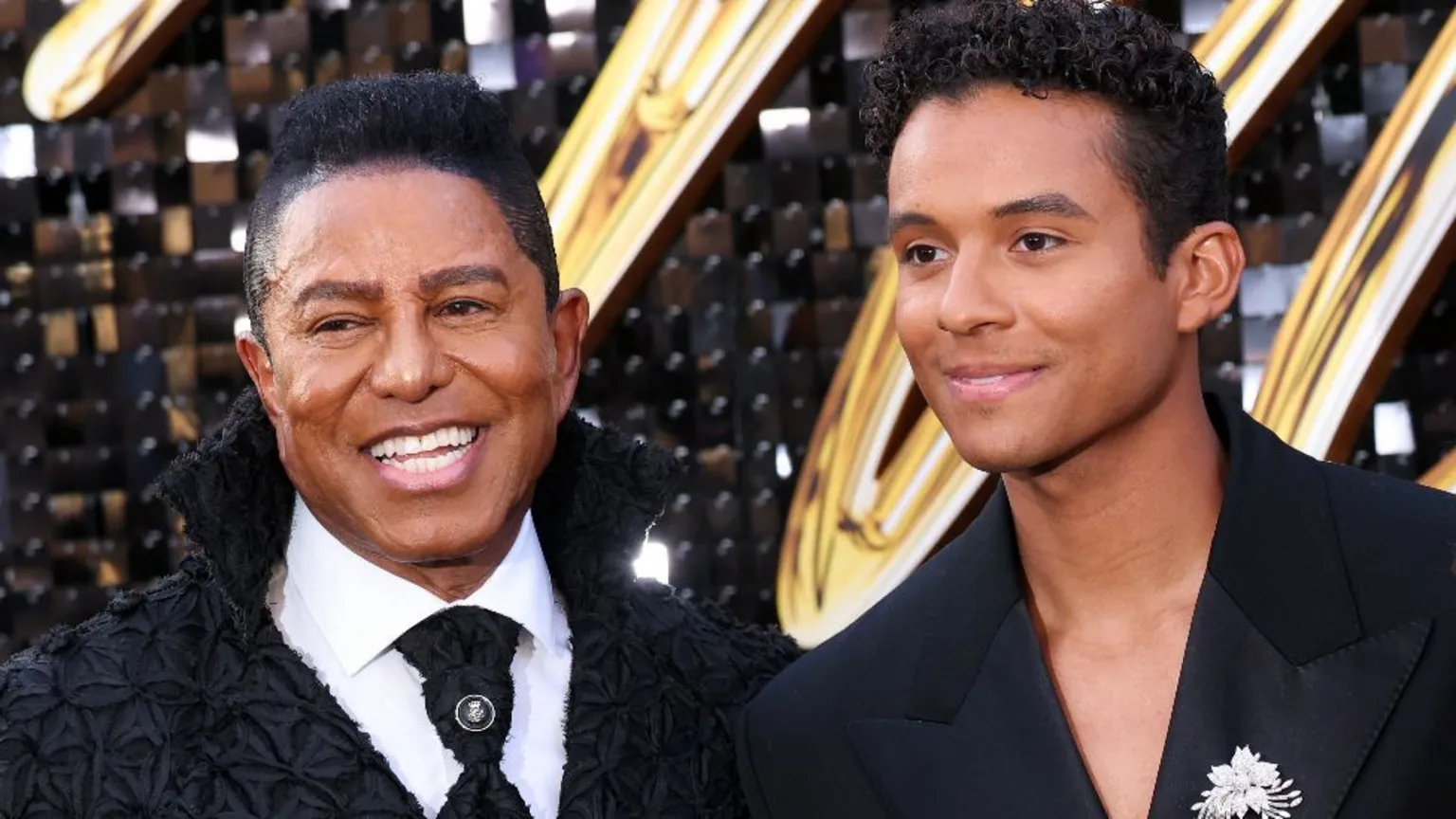
Jaafar Jackson, son of Jermaine Jackson, received general praise for his portrayal of his uncle, though the film overall received a less favorable reception.
In a two-star review, 's Peter Bradshaw described the movie as "rammed with every music-movie cliche" and resembling "a 127-minute trailer montage."
"This is a frustratingly shallow, inert picture, a kind of cruise-ship entertainment, which can't quite bring itself to show that Michael was an abuse victim, brutalised by his father and robbed of his childhood,"
he wrote, also noting the allegations against Jackson himself.
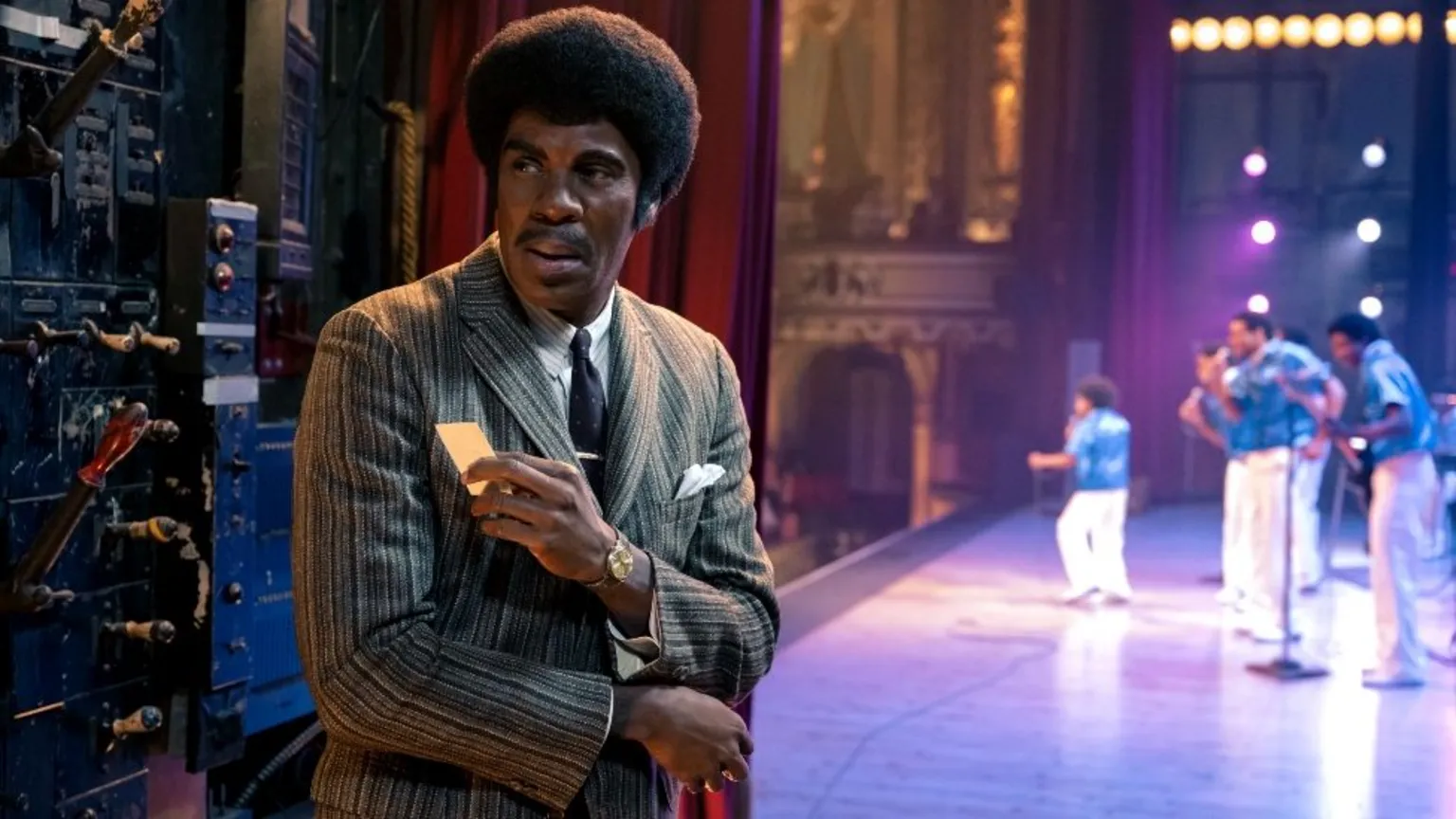
Oscar nominee Colman Domingo portrays the singer's father Joe Jackson, with Nia Long as mother Katherine Jackson, and Miles Teller, known for Top Gun: Maverick, as entertainment lawyer John Branca.
'Soulless Cash Grab' Criticism
Clarisse Loughrey of the Independent awarded the film one star, describing it as a "ghoulish, soulless cash grab."
She compared Michael to other recent music biopics, remarking that "the line between 'cinema' and 'merchandise' has come close to being obliterated."
"All Michael does is recreate, in mechanical style, the most famous visuals of Jackson's career,"
she stated.
"It's certainly easier that way. Why bother to depict a human being when you can simply turn them into a product?"
The film's release follows a series of musical biopics over the past decade, which Hollywood views as reliable box office successes.
Artists such as Queen, Sir Elton John, Bob Dylan, Aretha Franklin, Elvis Presley, Bruce Springsteen, Bob Marley, Amy Winehouse, Robbie Williams, and Whitney Houston have all been subjects of recent cinematic portrayals.
Kevin Maher of The Times also gave the film one star, calling it a "watershed moment" for the music biopic genre — but negatively so.
"It will be known as that infamous film in which the subject became completely untethered from reality and the film delivered instead two hours of pure and unadulterated [rubbish],"
he wrote in a strongly worded review, though he acknowledged that the music scenes were "nonetheless quite brilliant and thrilling."
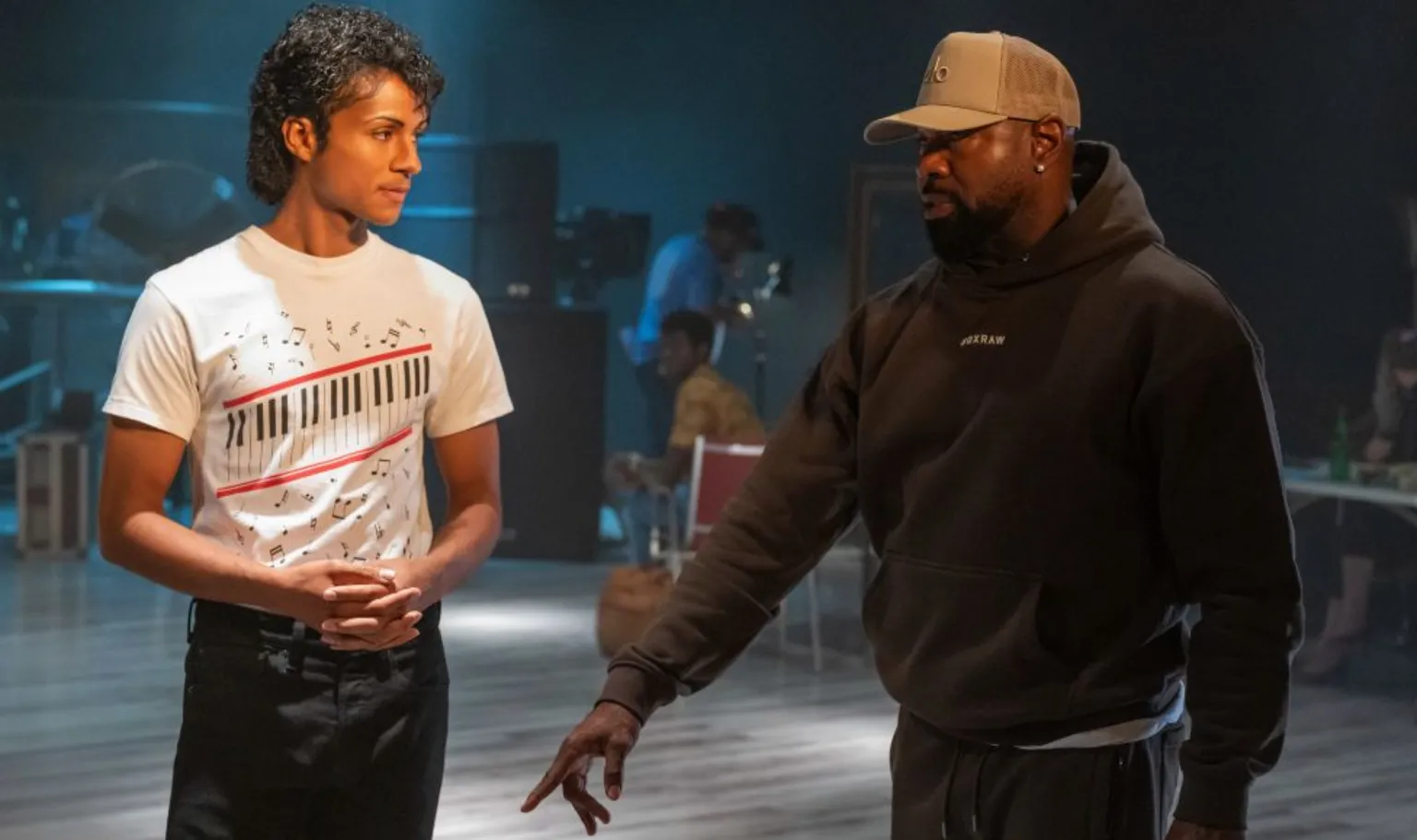
The biopic is directed by Antoine Fuqua, whose previous works include Training Day, Olympus Has Fallen, and The Equalizer.
Scrapped Footage Due to NDA Restrictions
Several critics noted the film's omission of any mention of the sexual abuse allegations against Jackson involving young boys.
Initially, the film included references to these allegations, dedicating much of its third act to the scandal involving Jordan Chandler, who was 13 when he accused Jackson of abuse.
However, according to Variety, this footage was removed along with any mention of the child molestation charges after rediscovery of a clause in a prior NDA.

Lawyers for the Jackson estate identified a settlement condition with Chandler that prohibited depiction or mention of him in any film.
Consequently, reshoots were conducted to film new material, and the ending was rewritten to conclude in the late 1980s, before the first allegations surfaced.
Jackson was acquitted by a jury in 2005 of sexually abusing a different 13-year-old boy.
Director Antoine Fuqua stated he does not know the truth behind the allegations but expressed skepticism about Jackson's accusers, telling Variety,
"sometimes people do some nasty things for some money."
The Telegraph's Robbie Collin described the resulting film as a "whitewash," adding that the avoidance of the allegations was a "borderline-fatal problem."
"It is simply not credible for a film to claim to be about Michael Jackson without addressing, even obliquely, the accusations, controversies and sadness that dogged his later life,"
he said.
"You don't have to dramatise these things; you should, at least, acknowledge or foreshadow them."
IndieWire's Kate Erbland wrote that by "glossing over" the allegations,
"the final film has been mostly stripped of any humanity, good and bad."
She described Michael as "glossy, sanitised, and surprisingly dull."
Positive Perspectives from Some Critics
David Rooney of The Hollywood Reporter offered a more favorable view, suggesting nostalgic fans would find the film "a warm rush of transporting pleasure."
"The film leaves itself open to accusations of making Michael a saint, which will not sit well with the cancel crowd,"
he said.
"If you are unwilling to separate the art from the artist, this will not be a movie for you. But for lifelong fans who cherish the music, the movie delivers. Simply as a celebration of Jackson's songs and stagecraft, it's phenomenal."
Variety's Owen Gleiberman shared a similar enthusiasm, stating,
"The surprise of Michael is how well it plays, and what an engrossing middle-of-the-road biopic it is,"
praising the performances and cinematography.
Deadline's Pete Hammond noted the film "falls short of giving any new insights," but said Jaafar Jackson "dazzles" in a film that fans would "eat up."
"You are bound to leave this one dancing, and what is wrong with that?"
Jackson was renowned for worldwide hits such as "Billie Jean," "Beat It," "Smooth Criminal," and "Black or White," with 1982's Thriller being the best-selling album of all time.
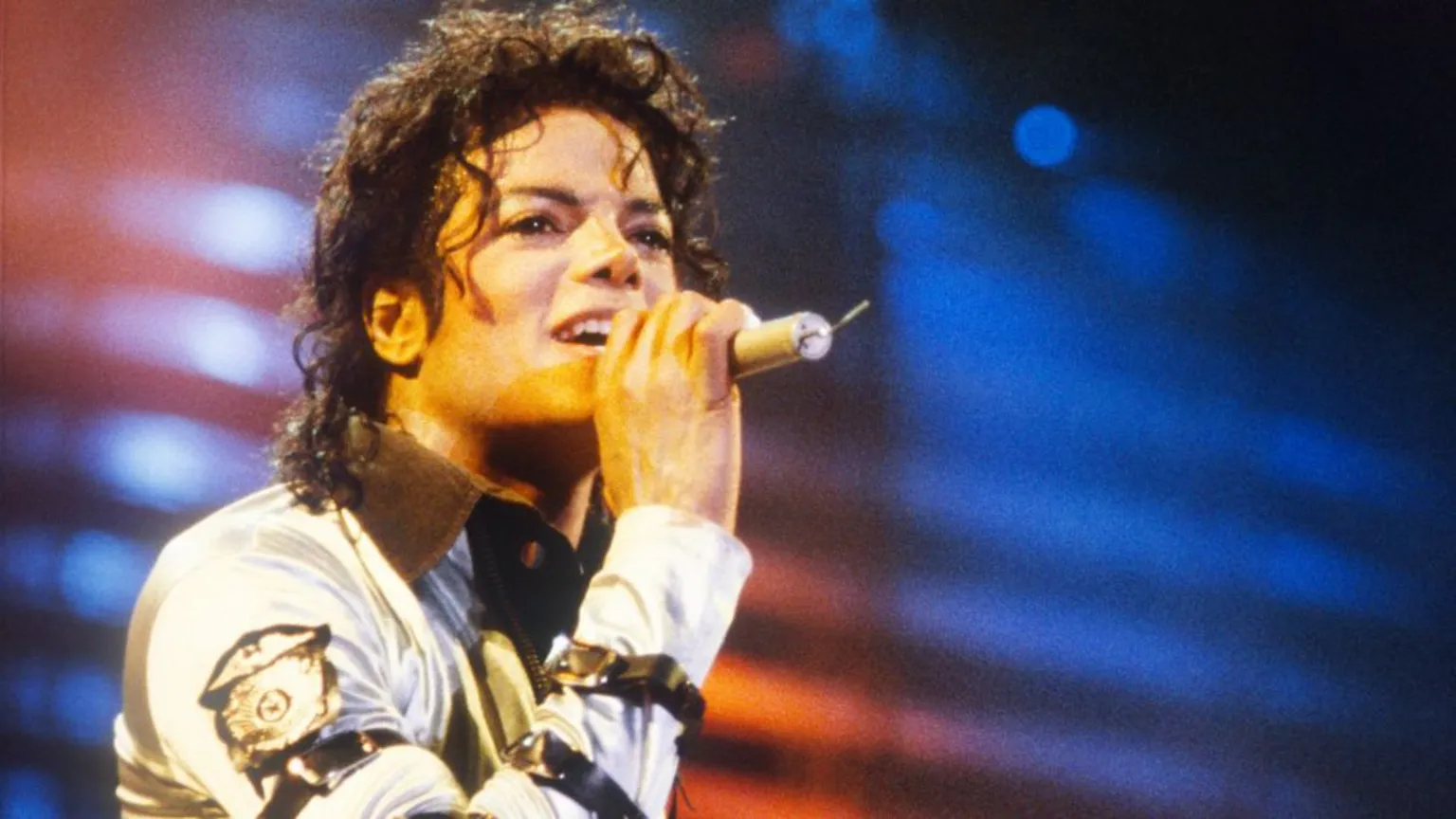
Several critics also praised Jaafar Jackson's performance. The Independent remarked the resemblance is "uncanny," The Hollywood Reporter said he "disappears into the role," and Deadline declared he "sells this performance with all the right dance moves and sharp dramatic talent to make us believe Michael Jackson is once again with us."
Jackson's sons Prince Jackson and Bigi, formerly known as Blanket, attended premieres for the film, but their sister Paris has stayed away, having stated last year that the film panders to a "fandom that still lives in the fantasy."
Additional Critical Opinions
Danny Leigh of the Financial Times awarded the film one star, commenting that it "goes big on the messianic, and much smaller on the inner life."
Empire's John Nugent concluded that the film's approach is ultimately "taking the Michael," describing the biopic as "feeling very strongly like a cynical moneymaking machine."
The BBC's Nicholas Barber characterized it as a "bland and barely competent daytime TV movie," also giving it a single star.
Terry Staunton of Radio Times gave the film two stars, stating it "drifts from one underwritten scene to the next," and adapted the lyrics of Jackson's 1979 hit "Don't Stop 'Til You Get Enough" with his conclusion:
"Please stop 'cause I've had enough."
Musical Elements and Vocals
Musical numbers such as Thriller feature prominently in the film, utilizing Jackson's original vocals throughout.