Introduction to the Exhibition and New Space
At the opening of the Metropolitan Museum of Art’s Costume Institute spring exhibition in New York, the first Monday in May was described as the speaker’s “favourite day of the year, and also my most terrifying one”.
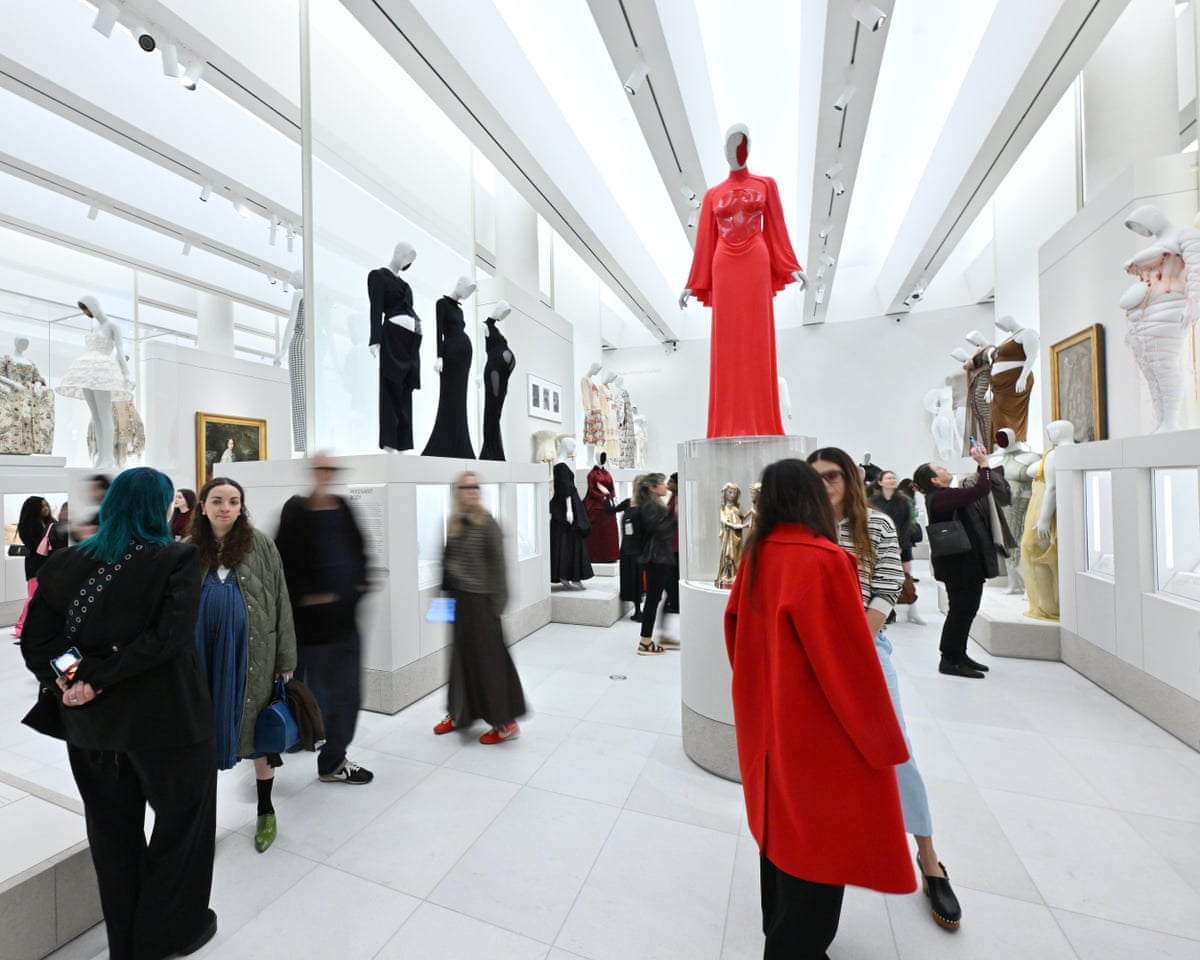
This particular Monday carried heightened significance due to the Met Gala held that evening to launch the exhibition, sponsored by Jeff Bezos and Lauren Sánchez Bezos. Additionally, this exhibition marks the debut of the Costume Institute’s new home: a 12,000 square foot space named the Condé Nast Galleries, situated prominently adjacent to the museum’s Great Hall.
Tripling the size of the institute’s former basement location, the new gallery reflects the popularity of fashion exhibitions, which consistently rank among the Met’s most attended shows, and places them alongside crowd-pleasing displays such as ancient Egyptian artefacts.
Exhibition Concept and Curatorial Vision
Entitled Costume Art, the exhibition pairs 200 garments and accessories with 200 artworks from the Met’s collection. The lead curator, Andrew Bolton, explained that the concept invites visitors to
“reconsider longstanding hierarchies”by viewing art in the context of the fashion pieces rather than the reverse. The inspiration arose from the idea that
“the dressed body”is a recurring theme throughout the Met’s extensive collection.
The expanded gallery space allowed Bolton to explore the subject in greater depth, organizing the exhibition into 13 thematic categories focused on different body types, beginning with the human body in its undressed state.
The Naked and Nude Body
The exhibition opens with a section dedicated to the Naked and Nude body. Here, a Walter van Beirendonck spandex top and leggings featuring trompe l’oeil male musculature and genitalia are displayed alongside a Marcantonio Raimondi engraving of Adam and Eve. Statues are positioned next to draped, classically inspired gowns by contemporary designers Y/Project and Di Petsa.

The Abstracted and Corpulent Bodies
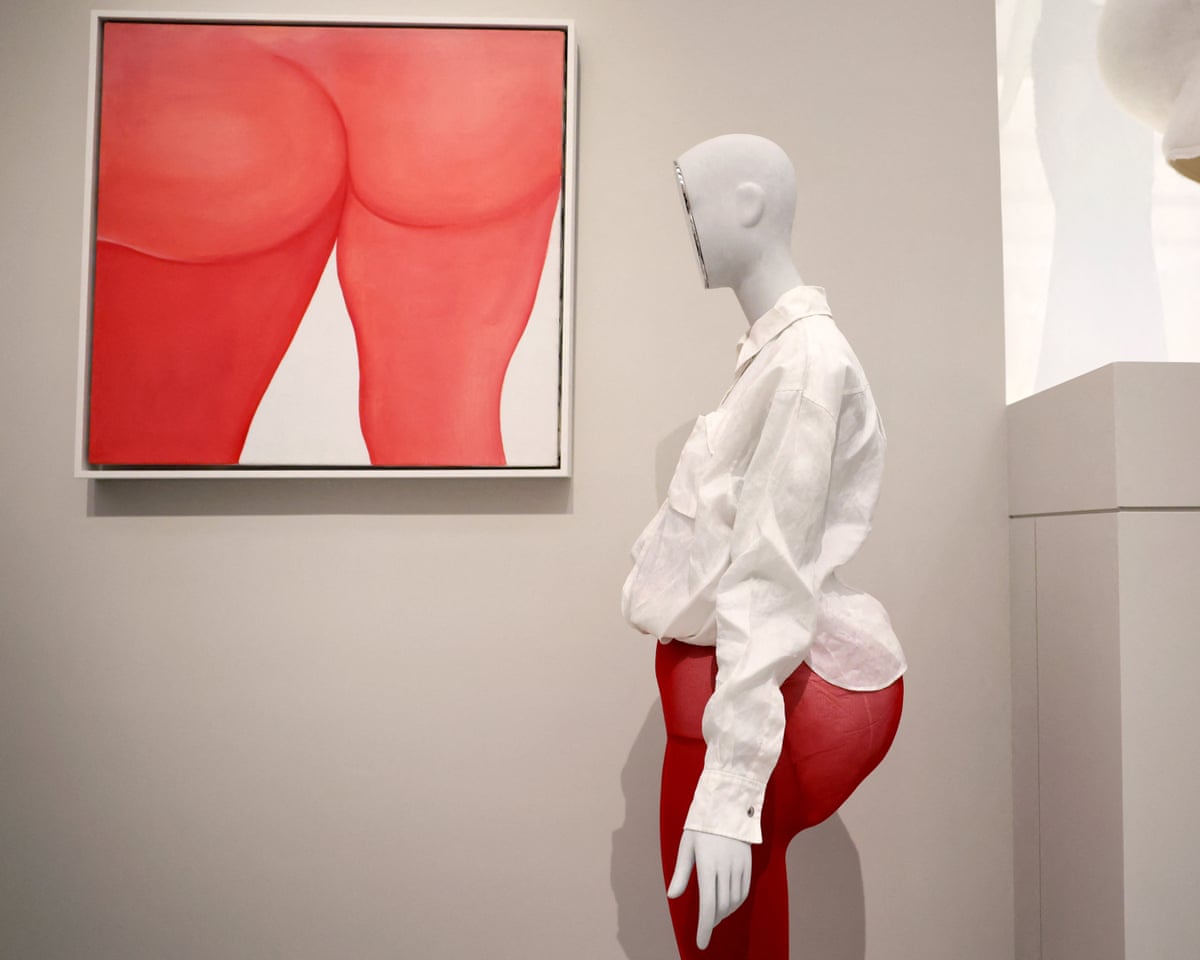
The next hall is a highlight, focusing on body types that have historically been underrepresented in fashion and Western culture. Within the Abstracted Body section, three Comme des Garçons dresses distort and conceptualize the body into unexpected silhouettes, paired with curvaceous sculptures by Max Weber, Jean Arp, and Henry Moore.
The Corpulent Body section features ensembles by Australian designer Michaela Stark, whose corsets and bound garments intentionally emphasize bulges of flesh. These are paired with a Cycladic marble female figure dating from 4500-4000 BCE. Another of Stark’s creations is displayed alongside Niki de Saint Phalle’s Nana and Serpent sculpture.
The Disabled Body and Diversity
Representations of the Disabled Body include a mannequin styled after campaigner Sinéad Burke, outfitted in a Burberry trench coat modified to fit her small stature by photographer Tim Walker. The ensemble includes a crown crafted from the excess fabric removed from the sleeve.
All mannequins in this section, designed to highlight diversity, are arranged on elevated podiums or, as Bolton described, deliberately
“pedestalised”. Presenting a true diversity of bodies within a fashion museum context offers a refreshing and engaging perspective.
Artistic Highlights and Themes of Strangeness
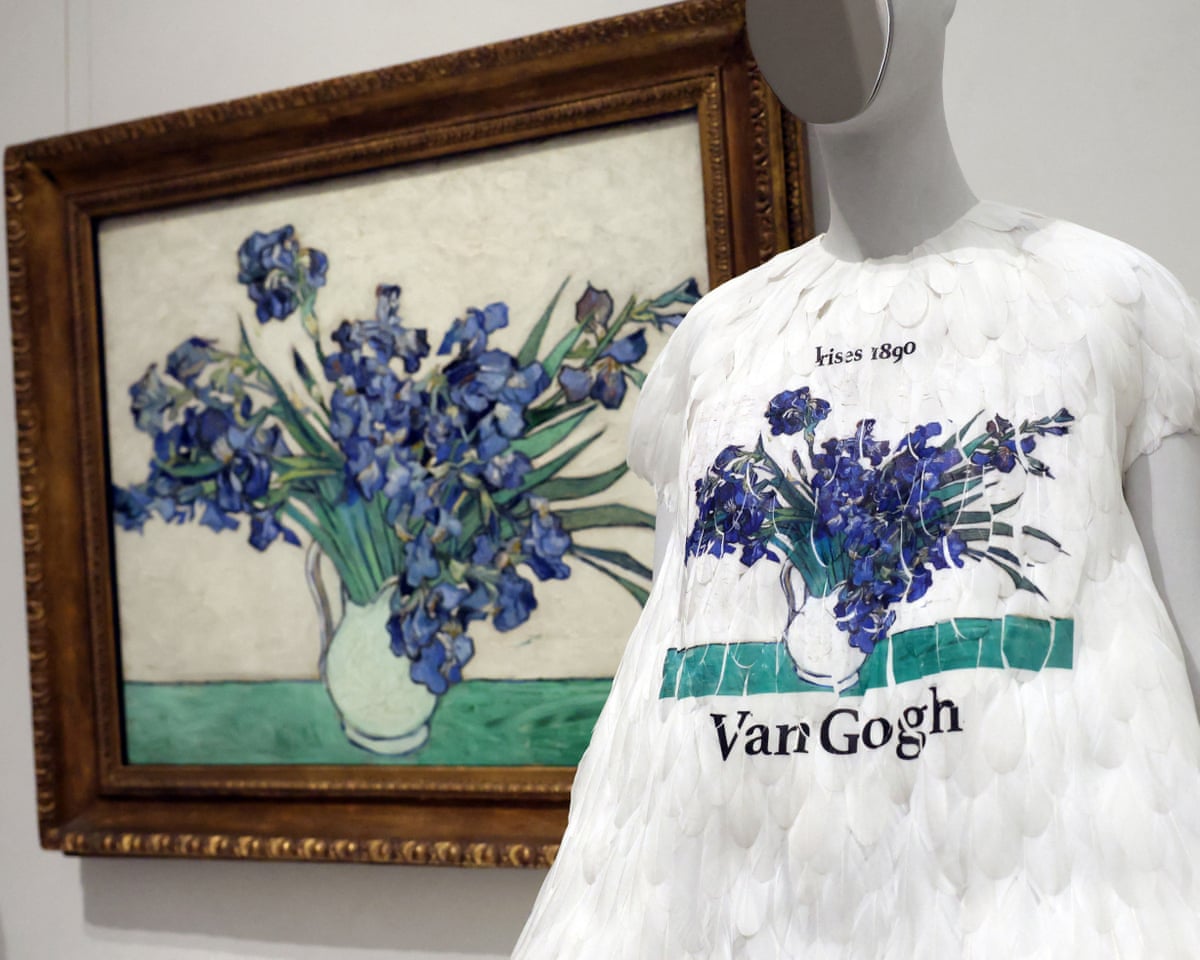
While the exhibition includes many conventionally beautiful works—such as a 1988 Yves Saint Laurent silk organza jacket adorned with a design inspired by Van Gogh’s Irises, paired with the 1889 painting itself—the overall tone emphasizes strangeness and surprise.
The Mortal Body section features dresses embroidered with anatomical body parts alongside sculptures and garments resembling skeletons. The Aging Body section includes a Batsheva jumper emblazoned with the word Hag displayed next to George Luks’s 1905 painting The Old Duchess; a Vetements hoodie declaring “I’m retired” paired with a Diane Arbus photograph of retirees; and a Sarah Lucas sculpture displayed alongside wearable art made from what Bolton described as
“Nora Batty-like stockings”by British designer Harry Pontefract.
Met Gala and Sponsorship Remarks
The exhibition’s press preview also served as a prelude to the Monday Met Gala. Lauren Sánchez Bezos attended wearing a shimmering bronze dress. In remarks addressing protesters calling for a boycott of the event, Anna Wintour emphasized the importance of art funding for a thriving city and described Sánchez Bezos as
“a force for joy, a force for generosity”.Wintour noted that the Met Gala has a ripple effect across the city, benefiting numerous local businesses, including
“God knows how many hairdressers”.