Madonna's Return with Confessions II
Last month, Madonna previewed tracks from her new album with a concert in New York's Times Square.
On the cover of her latest album, Confessions II, Madonna's face is partially hidden by a purple veil.
"Sometimes I like to just hide in the shadows," she says as the record opens. "Create a new persona, a different identity. I can be whoever I want to be."
Madonna has long been recognized as a master of reinvention. Over decades, her relentless musical curiosity has enabled her to ride the cultural wave, often introducing new sounds to pop music before they became mainstream.
Thus, a sequel to one of her albums was unexpected. For her 15th studio album, she revisits her 10th: 2005's Confessions on a Dance Floor.
Her last widely acclaimed album, it celebrated the liberating power of the club scene—a place where one of the world's most recognizable women could blend into a crowd and lose herself in the music.
(Though it is likely that when Madonna dances, a large circle forms around her with many recording on their phones.)
After recovering from a life-threatening case of sepsis, Madonna has returned to that world with renewed determination.
On Confessions II, she describes herself as "living under neon" in a "temple of sweat and surrender." She expresses bewilderment at a generation that has replaced physical intimacy with endless scrolling on TikTok.
"No-one wants to go outside / It's not OK / It blows my mind."
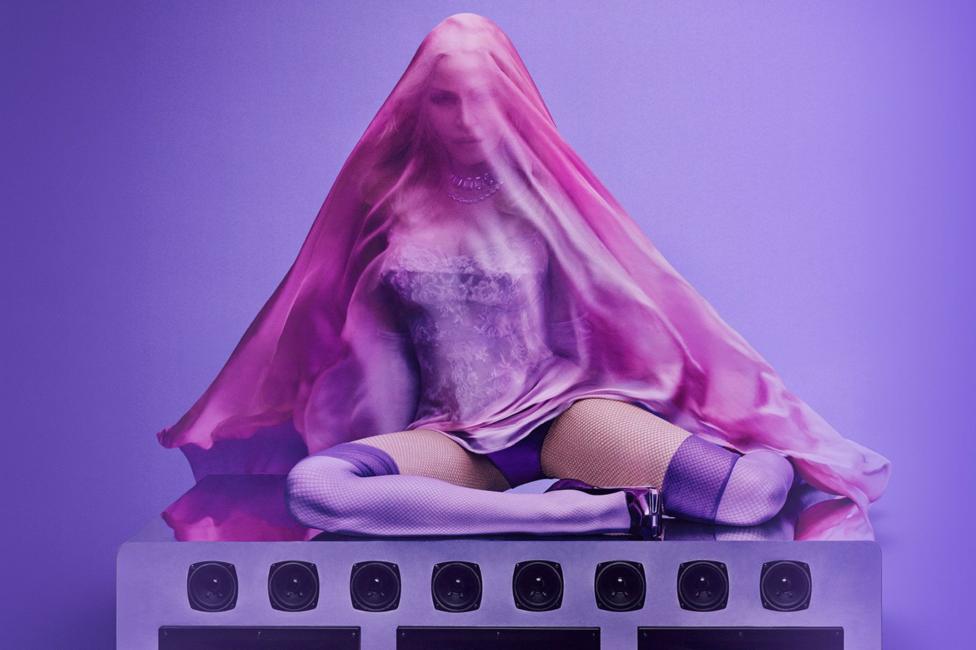
Confessions II is Madonna's first album since 2019's Madame X, which reached number one in the US and number two in the UK charts.
British producer Stuart Price, who co-wrote the original Confessions and served as musical director on Madonna's recent Celebration tour, returns to collaborate on this album.
In an interview with Interview magazine, Madonna explained that they agreed the new album had to "be as good as or better than" the original.
Musical Style and Highlights
The first 30 minutes of the album are flawless, featuring pulsing sub-bass and crisp club beats that create an intoxicating atmosphere of hedonism and exuberance.
Madonna opens with the hypnotic, Donna Summer-inspired "I Feel So Free." She continues with the euphoric "Good For The Soul" and the filtered grooves of "Love Sensation."
However, the album's middle section contains some less compelling tracks. Songs like "School" and "Love Without Words" are more experimental, incorporating chopped vocals and squelchy synths. By this point, the recurring theme of "the rhythm sets us free" has been repeated extensively.
Madonna reflects on her 1980s image in the album's closing track, "L.E.S.", singing about her "bleached blonde dirty roots."
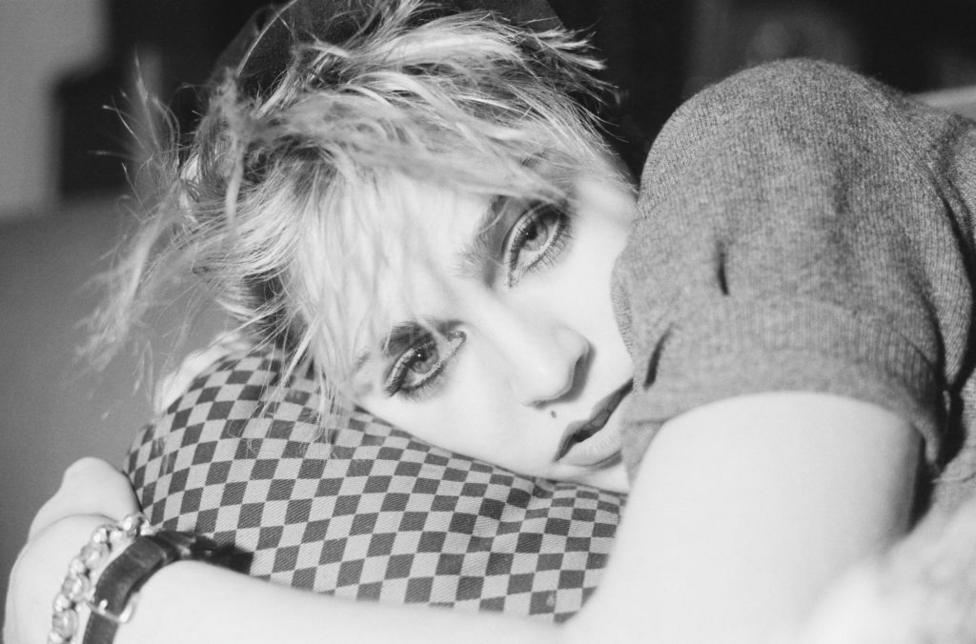
The album truly excels when it turns autobiographical. The standout track is "Danceteria," a vivid tribute to the nightclub where Madonna began her career.
It was at Danceteria that she convinced DJ Michael Kamins to play her demo "Everybody," leading to her first record deal.
In the song, Madonna captures the club's vibrant patrons through a rap section that references Hollywood legends, reminiscent of her earlier hit "Vogue." Nile Rodgers appears musically, with a disco guitar riff, and the breakdance group The Rock Steady Crew is introduced with the iconic Apache drumbeat. When Kamins finally plays "Everybody," a sample of its hook echoes in the background.
Collaborations and Themes
Madonna and Sabrina Carpenter collaborated on the defiant duet "Bring Your Love."

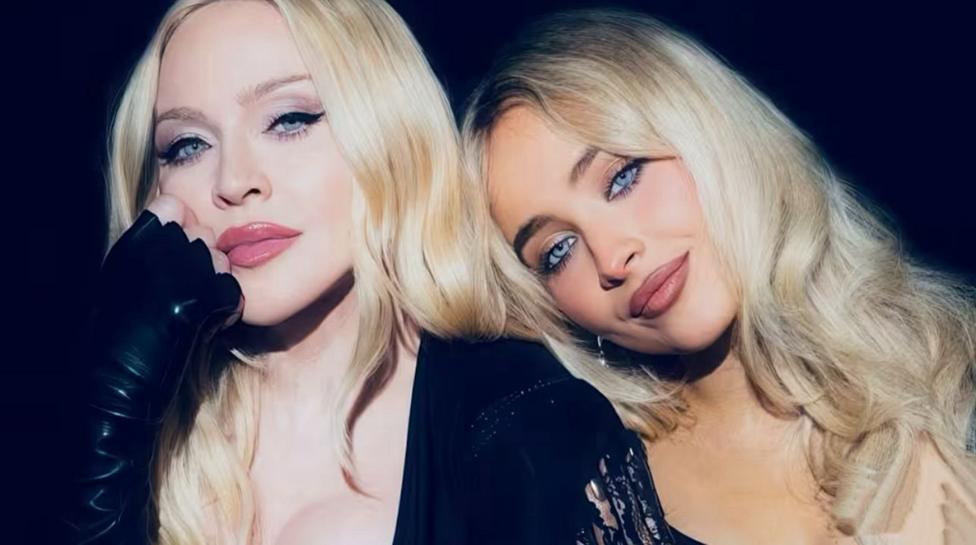
Unveiled in a short film featuring Kate Moss and Benedict Cumberbatch, the film would have made an ideal single. However, the lead single chosen was the duet with Carpenter, "Bring Your Love."
Premiered live at the Coachella Festival, the song continues Madonna's tradition of confronting criticism, similar to tracks like "Human Nature," "Nobody Knows Me," and "Rebel Heart." Carpenter's involvement is significant, as she has also faced sexist criticism regarding her lyrics and fashion choices, often misunderstood as endorsements rather than satire.
In "Bring Your Love," the two artists unite in a powerful declaration:
"I know where the bodies are buried / Don't try to shut me up."
Resistance to Commercial Pressures
Interestingly, the song also conveys Madonna's rejection of commercial success metrics.
"I say, 'Don't try to distract me with numbers,' because I started [this album] without thinking about the charts and streaming," she told Vogue Italy.
"Working only in terms of algorithms and artificial intelligence doesn't allow you to take risks, which is the complete opposite of making art."
This stance serves as a defense, as the song peaked at number 29 on the UK singles chart, but it also signals a deliberate artistic recalibration.
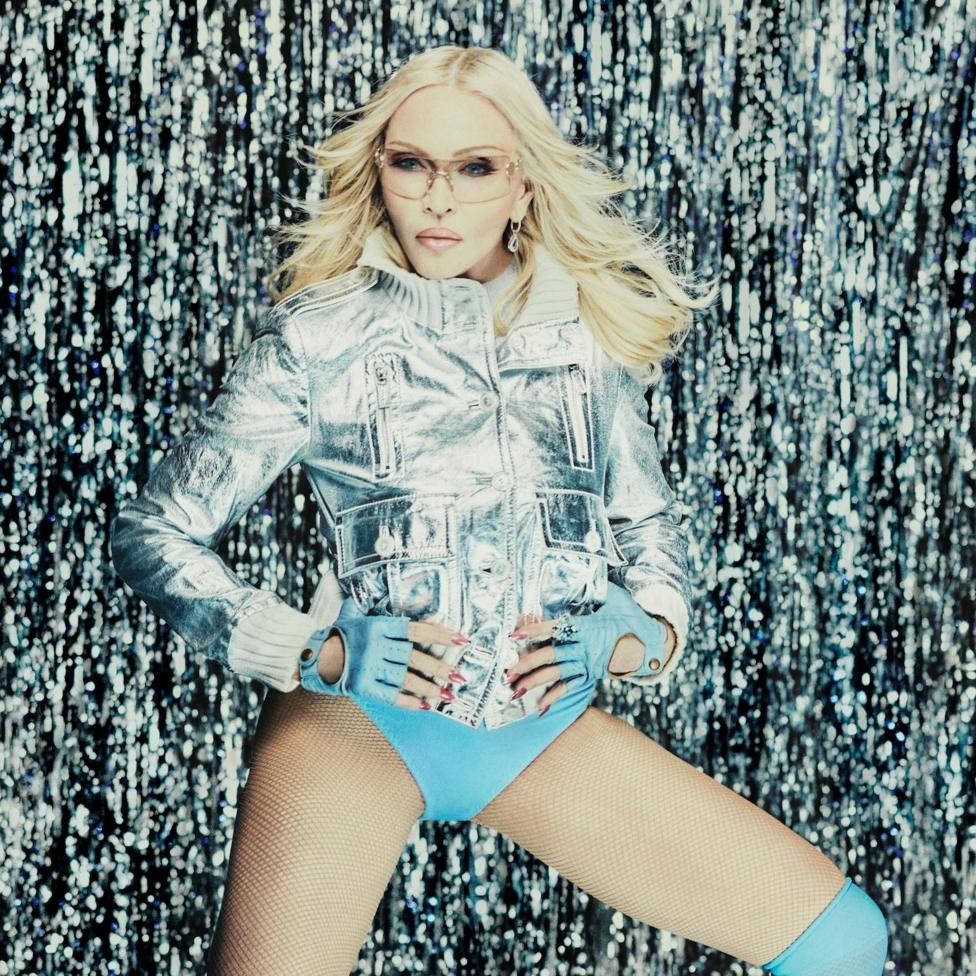
Madonna has sold over 400 million records worldwide, earning her a Guinness World Record as the most successful female recording artist of all time.
Her work during the 2010s sometimes suffered from attempts to stay relevant in pop that felt unconvincing. In contrast, Confessions II does not attempt to incorporate current dance trends. There is no nod to the drum and bass revival or the productions of artists like PinkPantheress and Charli XCX.
Instead, the album looks back to the Chicago and Detroit house scenes of the 1980s—periods rich in musical innovation, spiritual optimism, and LGBTQ expression, which Madonna is intimately familiar with.
She samples key tracks from that era, including Inner City's "Good Life" and Lil Louis' "French Kiss."
The album bears resemblance to her 1993 release Erotica, which was similarly influenced by underground house music and addressed themes of upheaval and loss during the AIDS crisis.
Personal Reflections and Family
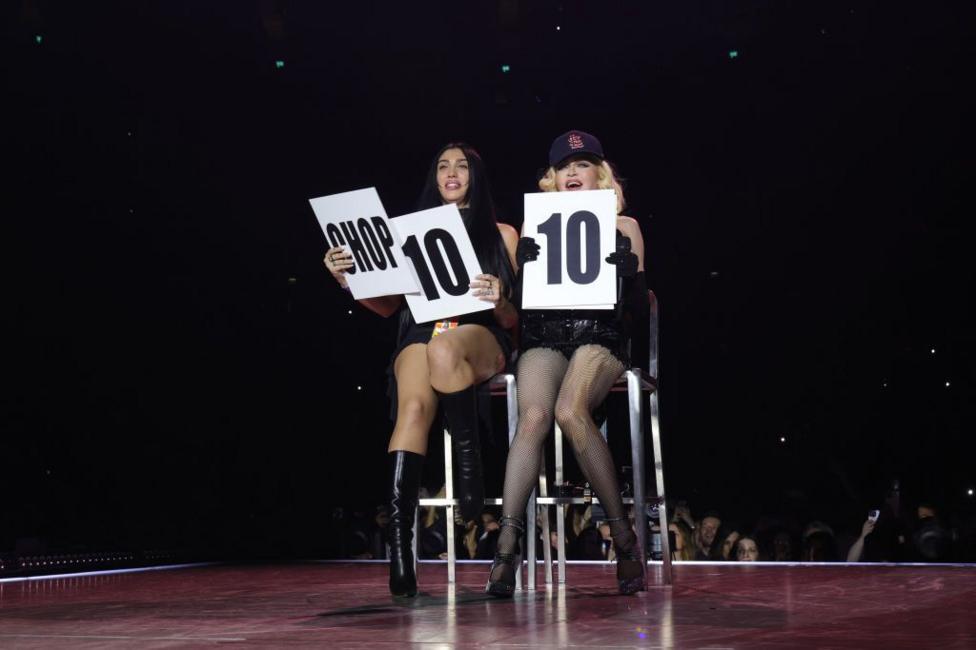
During the 2023-24 Celebration tour, Madonna appeared on stage with her daughter Lourdes Leon. The tour reimagined her biggest hits as an autobiographical journey through her career.
On Confessions II, Madonna mourns her late brother Christopher in "Fragile," a delicate song reflecting on their childhood, estrangement, and reconciliation, ending with a wish:
"I hope you found a higher ground."
Though touching, the song's clattering breakbeat somewhat detracts from its sentiment.
More successful is "Betrayal," a jazzy, trip-hop track believed to be about Madonna's stepmother, Joan Ciccone, who passed away from cancer in 2024.
Following this is "The Test," a cross-generational dialogue between Madonna and her eldest daughter Lourdes Leon, where they address their differences over a spacious, trance-inspired instrumental.
"You didn't ask for all the flashing lights... I wish I knew the pain I caused," Madonna sings in a rare expression of regret.
Lourdes responds with a verse acknowledging her mother's love while asserting her independence:
"I trace the line of what you have sewn [but] keep my own design."
The album concludes with "L.E.S.", a nostalgic song about an early crush on a guitar-playing boy from New York's Lower East Side.
This track serves as a charming and lighthearted conclusion after the emotional intensity of the album's final section.
Madonna began the album seeking anonymity but ultimately reveals herself more openly than in decades. This is perhaps the closest listeners have come to the authentic Madonna since her 1998 album Ray of Light.
"Only when she's dancing can she feel this free," as a notable lyricist once observed.
Standout Tracks
- Danceteria: A vivid portrayal of 1980s New York nightlife, where hip-hop artists and fashion designers mingled with icons like Lou Reed and David Byrne. Madonna sings, "Everyone here is a work of art," as she transports listeners back in time.
- Love Sensation: A vibrant summer anthem with influences from Daft Punk and Stardust. It is the album's first love song but is notably absent from the standard 12-track edition.
- Bring Your Love (feat. Sabrina Carpenter): A powerful collaboration where two pop icons assert their right to explore female sexuality. The song features a chunky piano house groove with a callback to Madonna's "Express Yourself," replacing the original line "I've got something to say about it" with the more confrontational "You got something to say about it?"
- Bizarre: Although a rumored duet with Kylie Minogue does not appear on the album, this track would have suited such a collaboration. It is bright and light, with lyrics about a "movie star with deep blue eyes."
- Madonna was 'jealous of Kylie' - and more things we learned in her Graham Norton interview
- Madonna offers reward for return of missing Coachella costume
- Madonna's Celebration tour is a family affair