Louis Vuitton’s New York Showcase Blends Uptown Elegance with Downtown Pop Culture
Nicolas Ghesquière’s latest collection for Louis Vuitton masterfully combines the sophistication of uptown style with the vibrant energy of downtown pop culture and streetwear.
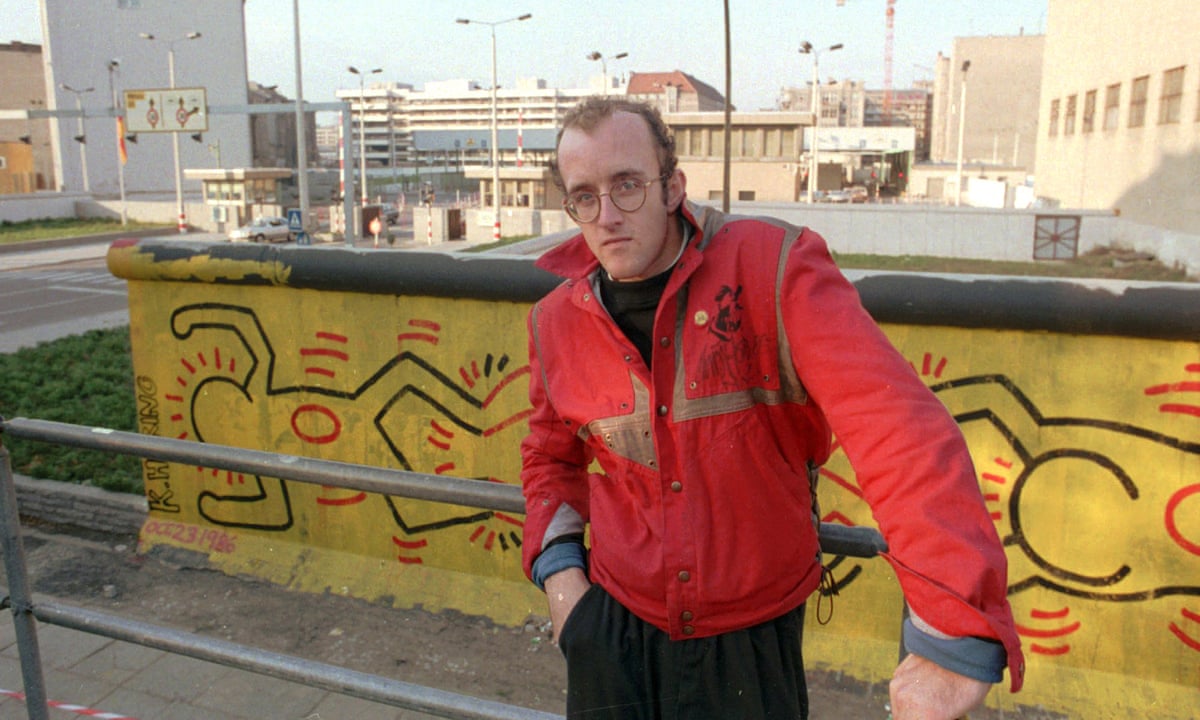
The brand, renowned for its association with luxury travel, reaffirmed its status as the world’s leading luxury house with an extravagant presentation in New York. The debut model appeared on the runway carrying a century-old suitcase adorned with iconic doodles by artist Keith Haring, created in 1984. This rare piece, retrieved from the Vuitton archives, marked the beginning of a renewed collaboration with Haring’s estate, which includes the reissue of the classic LV Speedy handbag featuring Haring’s signature dancing babies and barking dogs.
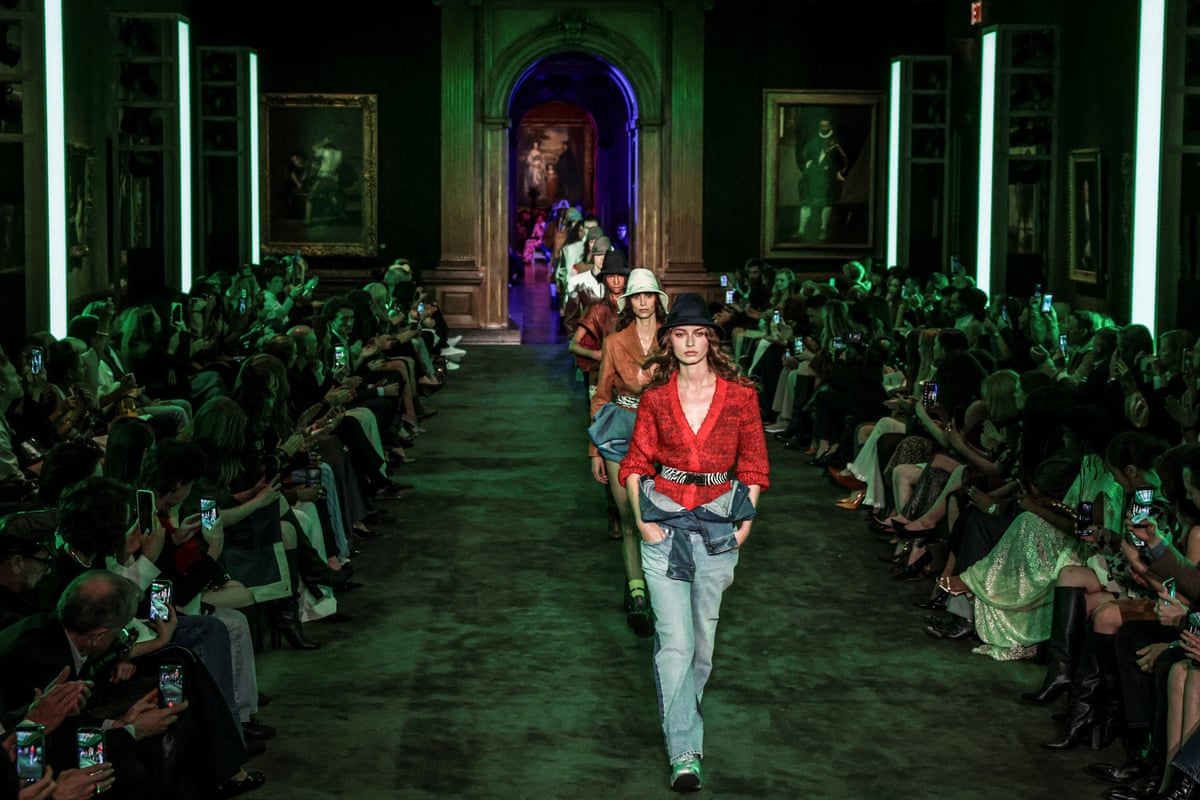
The event took place within the opulent marble galleries of Manhattan’s Frick Collection, a venue housing masterpieces by Ingres, Rembrandt, and Vermeer. This partnership is further solidified by a three-year sponsorship agreement, under which Louis Vuitton will support exhibitions, public access initiatives, and a curatorial position at the museum. Starting next year, the Frick’s monthly free entry evenings will be rebranded as Louis Vuitton Free Fridays.
Louis Vuitton aimed to make a significant impact with this show. While the fashion industry has recently been dominated by changes and competition among Chanel, Dior, and Gucci—all featuring new creative directors—Ghesquière stands out with his 13-year tenure at Louis Vuitton.
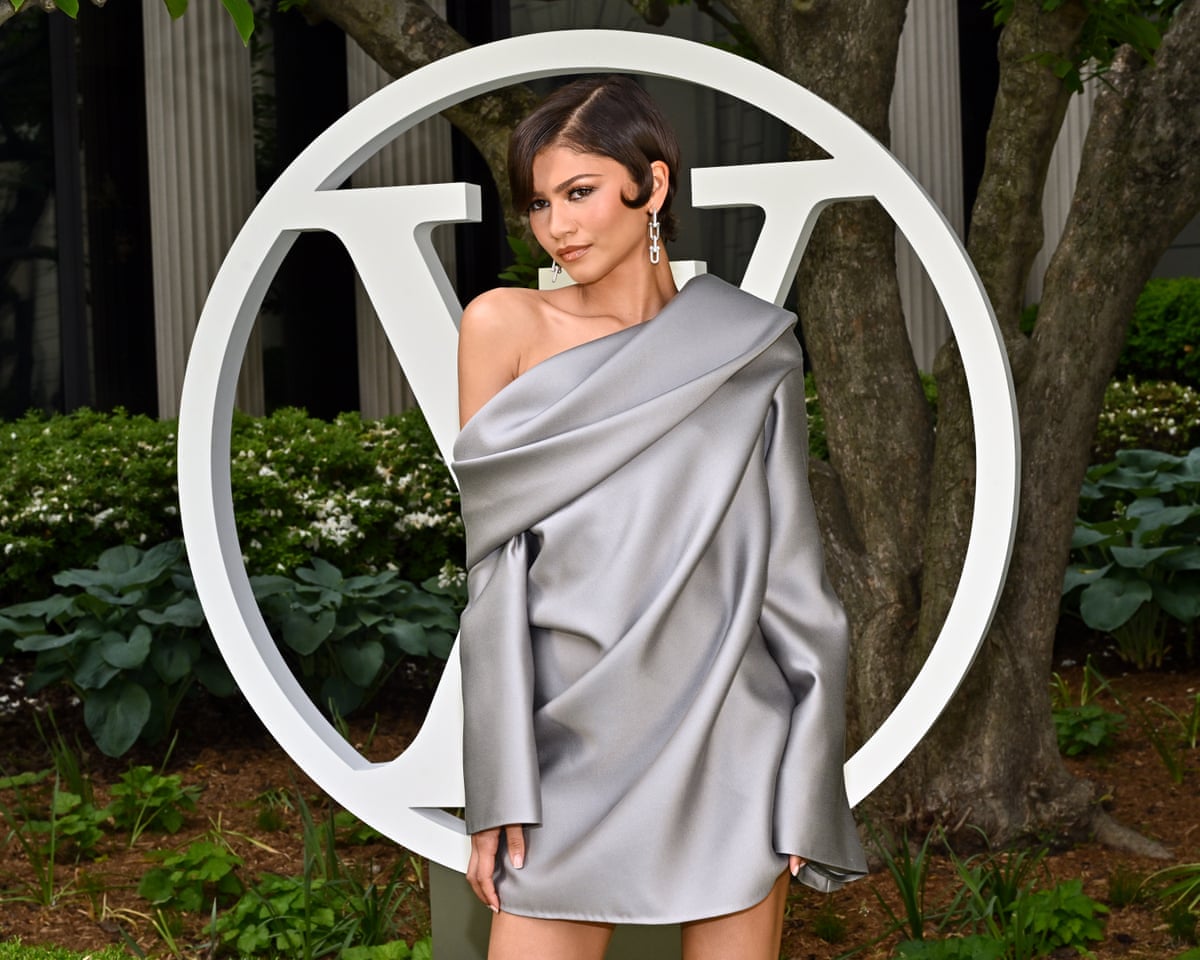
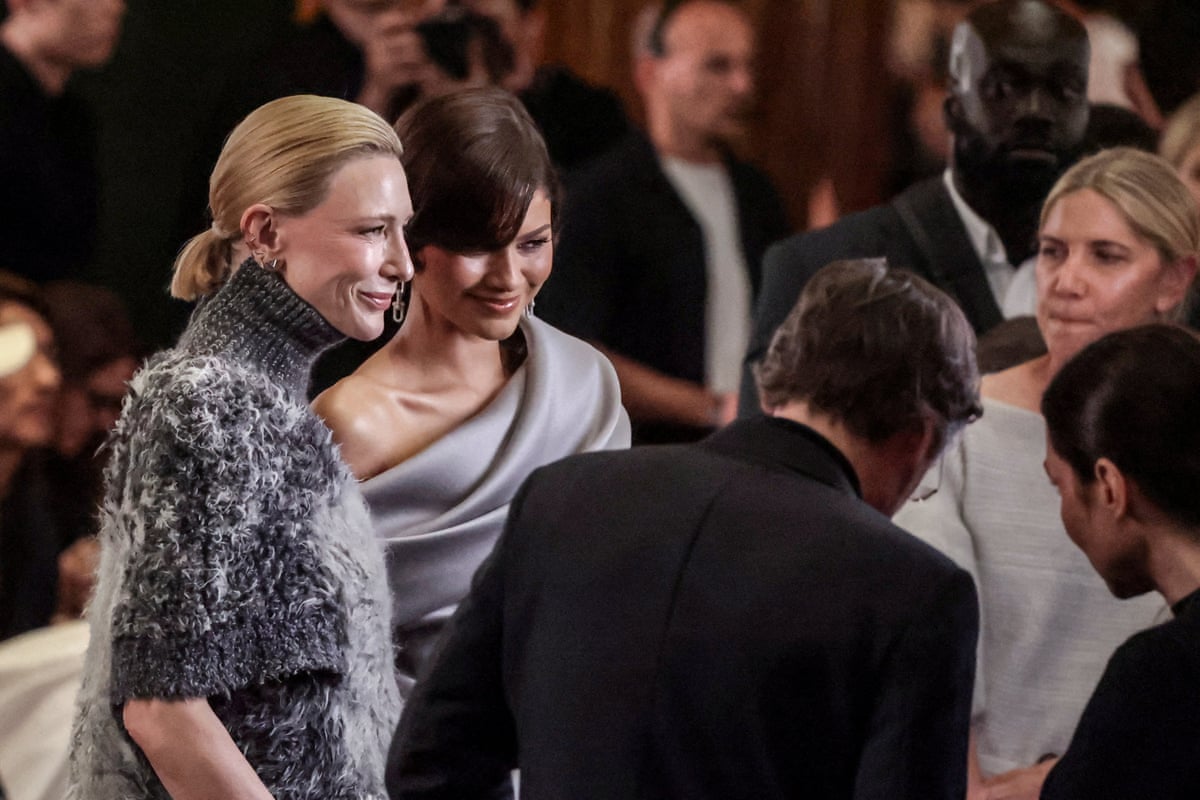
The presence of celebrities such as Zendaya, Emily Blunt, Anne Hathaway, Cate Blanchett, and Oprah Winfrey in the front row underscored Louis Vuitton’s continued market dominance. The inclusion of Haring motifs and the appearance of musician Alana Haim as a runway model highlighted Ghesquière’s ongoing creative innovation. The designer expressed his admiration for Haring’s art and values, stating:
“I was not only inspired by Haring’s art, but by his wonderful values, as a pioneer of unity and of liberation for so many people.”
Ghesquière embraced the contrast between the Frick’s Upper East Side grandeur and Haring’s roots in New York’s street art scene, where he gained recognition through unauthorized chalk drawings in subway stations. Louis Vuitton, originally a maker of luxury trunks for first-class travelers, now commands prices exceeding £2,000 for handbags.
Its strength lies in its universal recognition, distinguishing it from other elite brands and securing its position within popular culture. Ghesquière explained the collection’s inspiration:

“The starting point for this collection was the New York friction between uptown and downtown. I wanted to celebrate that duality.”
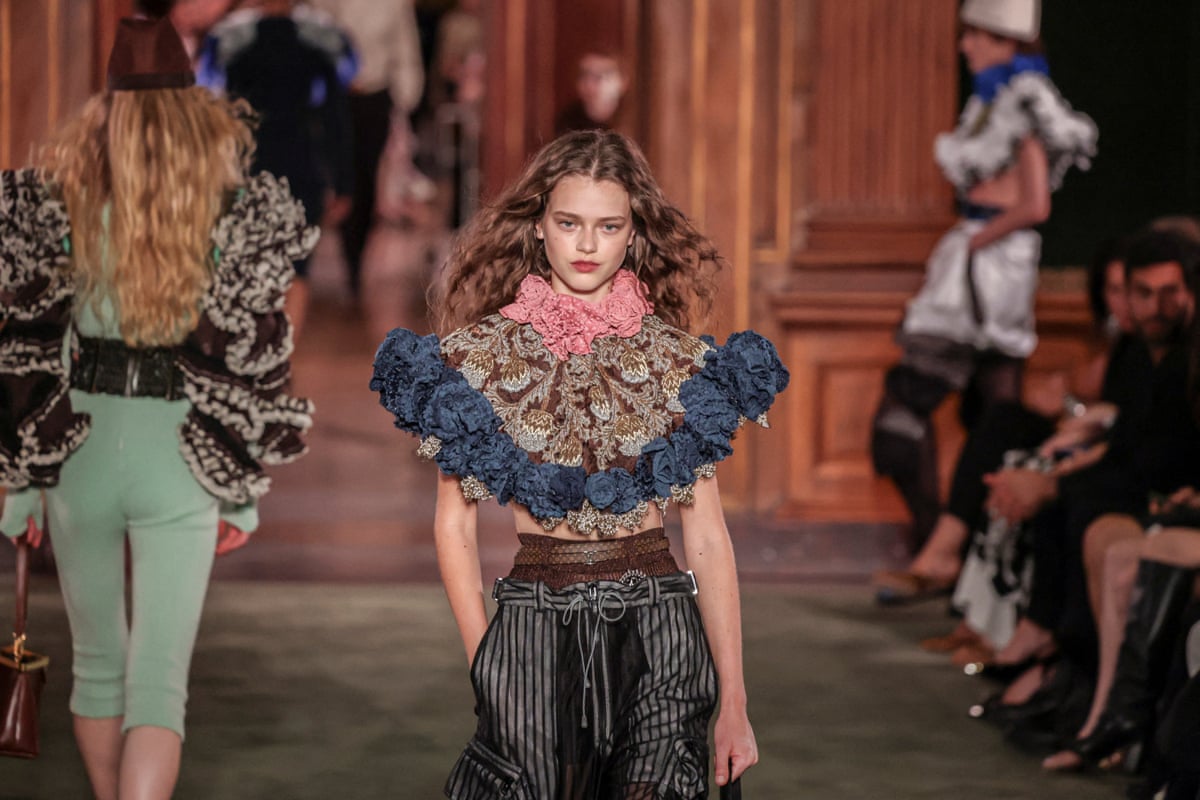
The show celebrated New York as a hub of pop culture, featuring handbags shaped like takeaway boxes, vinyl records, and soft-drink cans. The downtown influence was evident in the fabulous denim pieces—denim being quintessential American casual wear—while the richly pleated silks and statement chokers evoked the New York elite who once inhabited and entertained in the Frick when it was a private residence.
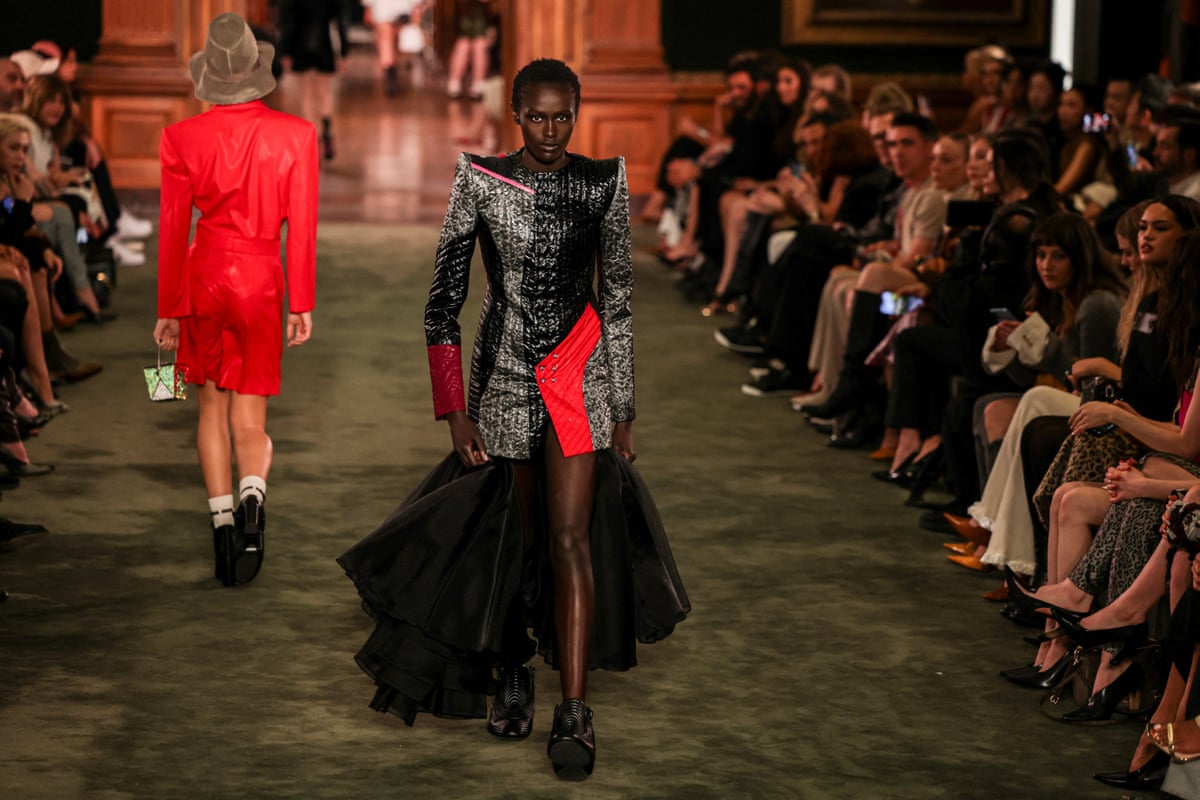
Reflecting on the venue, Ghesquière remarked:
“What is special about this place is that you can feel the ghosts. Not just the art, but the furniture, the objects, the lifestyle.”
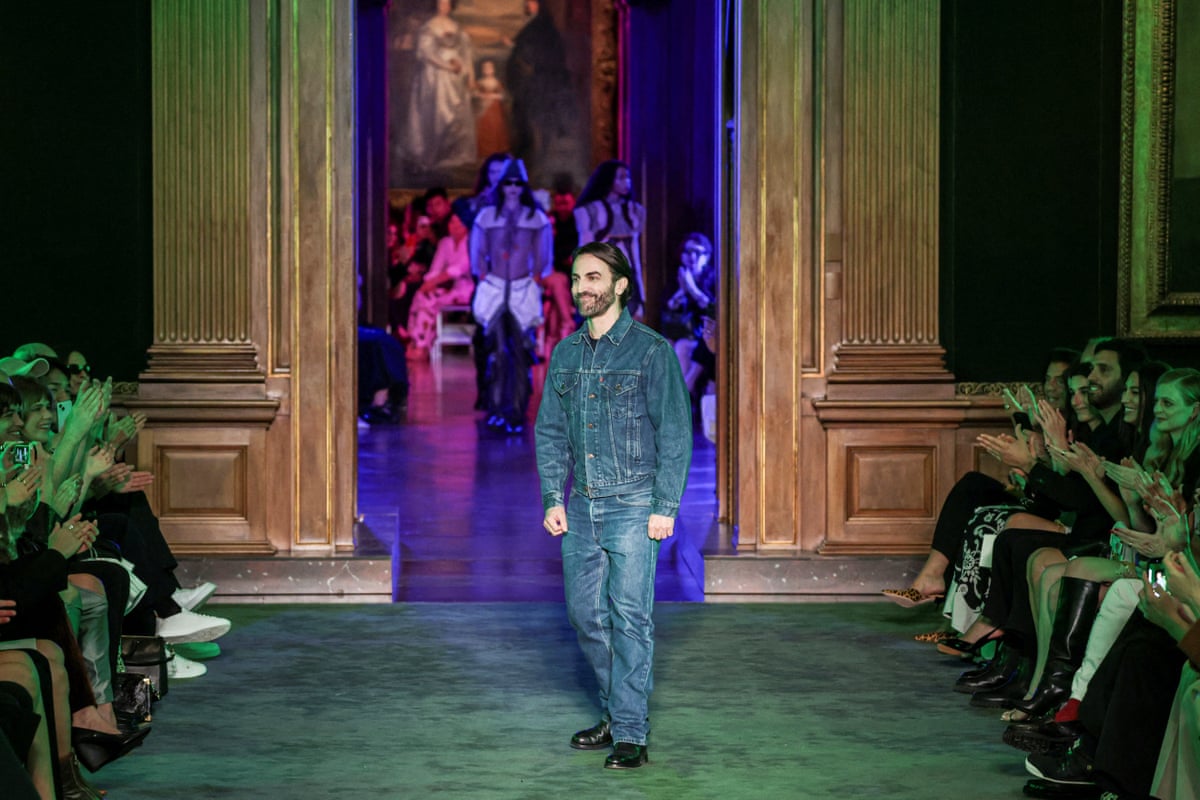
Rose Coffey, senior foresight analyst at Future Laboratory, observed the synergy between New York’s culture and Louis Vuitton’s business model, noting:
“New York is a city where street culture and super-high luxury coexist, which reflects Vuitton’s brand positioning. They have a strong American consumer base ranging from the VICs [very important clients] to younger, aspirational consumers.”
The fusion of fashion and art, now a lucrative staple on museum calendars, was pioneered by Marc Jacobs through his collaboration with Stephen Sprouse, which produced graffiti-style monogram bags that became highly sought-after collectibles. Subsequent collaborations with artists Takashi Murakami and Yayoi Kusama introduced signature motifs such as cherries and dots to Louis Vuitton handbags.
The collection also featured distinctive accessories and footwear inspired by Haring’s art, blending quirky designs with vibrant colors.
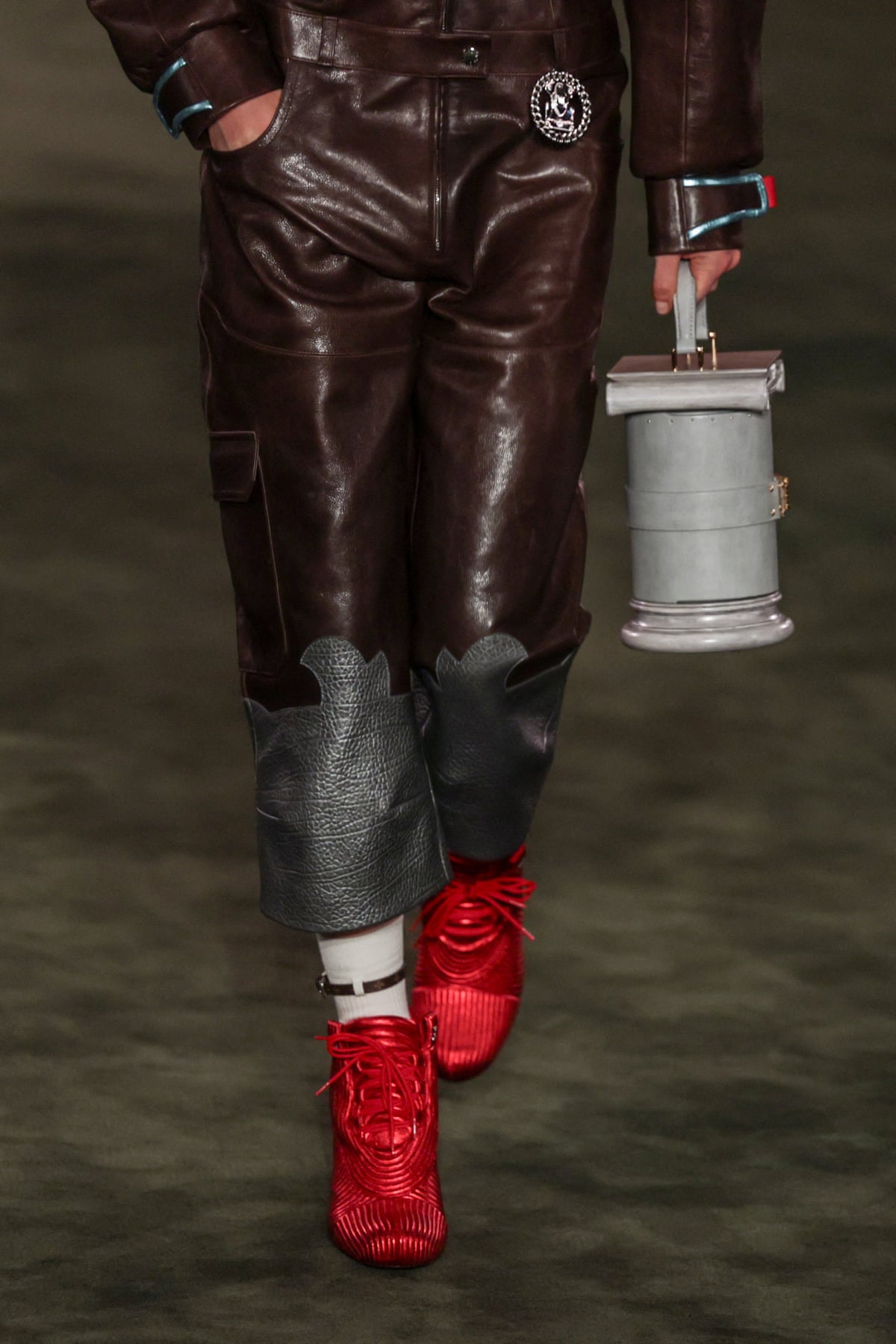
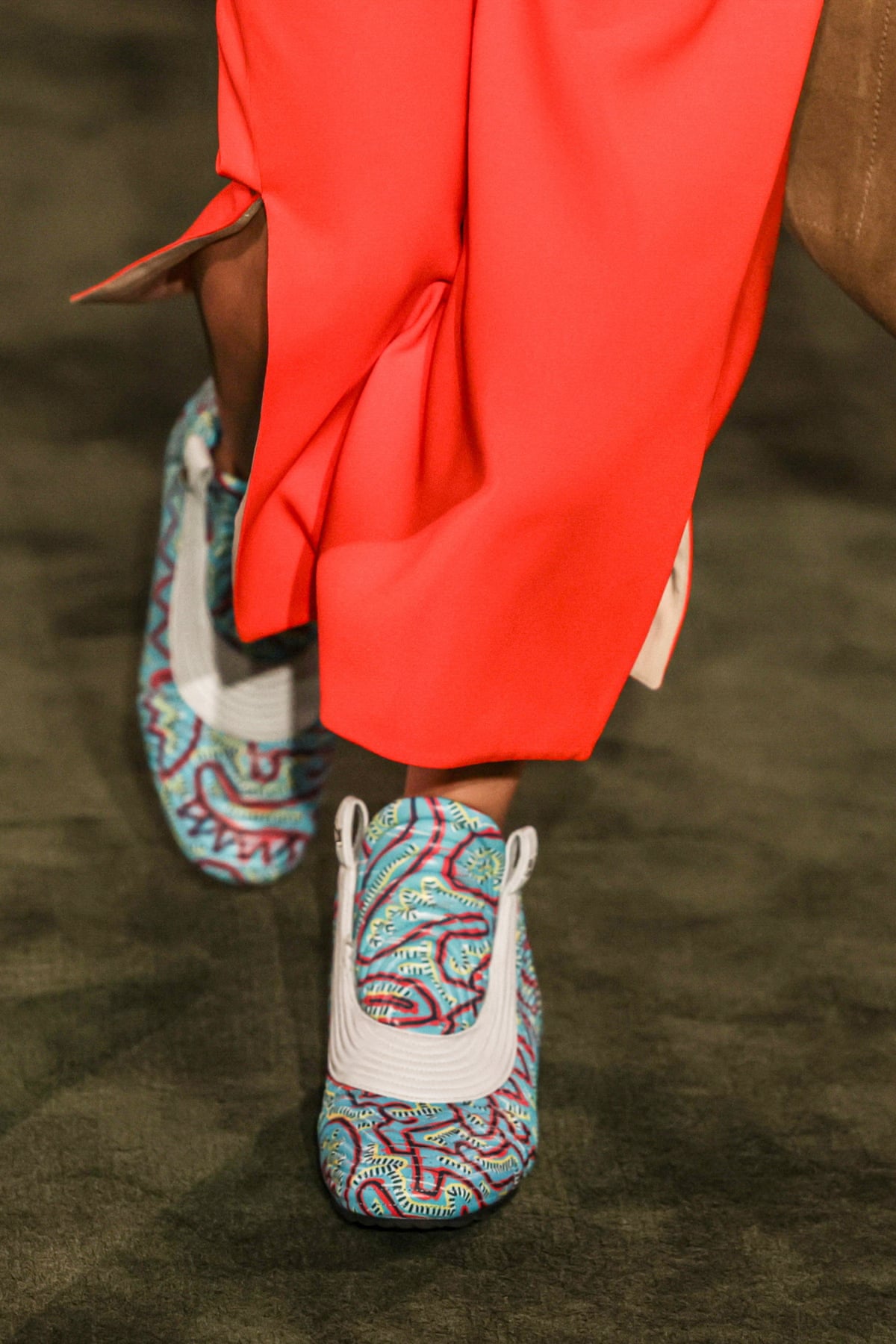
Denim played a central role in the collection, embodying casual chic and American style.
Front-row attendees included notable figures such as Zendaya and Cate Blanchett, highlighting the brand’s appeal among celebrities.