Iron Lung: A Surprising Fusion of Film and Game Experience
The YouTube gaming personality Mark “Markiplier” Fischbach has created a distinctive and divisive adaptation of his lesser-known horror game, Iron Lung. This low-budget sci-fi thriller, set after a galactic apocalypse, follows a convict who pilots a decrepit submarine through an ocean of human blood on a distant planet to earn his freedom. Although ostensibly searching for relics vital to scientific research, what he encounters is far more disturbing. The film’s premise is unusual and unsettling.
Remarkably, Fischbach not only wrote, directed, and financed the film but also stars in it. Yet, the most unusual aspect is how watching Iron Lung feels akin to observing Fischbach play the game itself. Much of the movie features him seated at the submarine’s controls, attempting to operate them correctly, mirroring a gamer’s experience. As the narrative unfolds, he solves environmental puzzles connected by codes, computer readouts, and narrative fragments, closely resembling gameplay mechanics. Extended sequences focus on his decision-making process, with close-ups on his puzzled expressions, creating an experience reminiscent of watching a playthrough of the game. This metatextual quality is one of the most striking cinematic experiences since The Truman Show, though it is unclear if this was Fischbach’s intention.
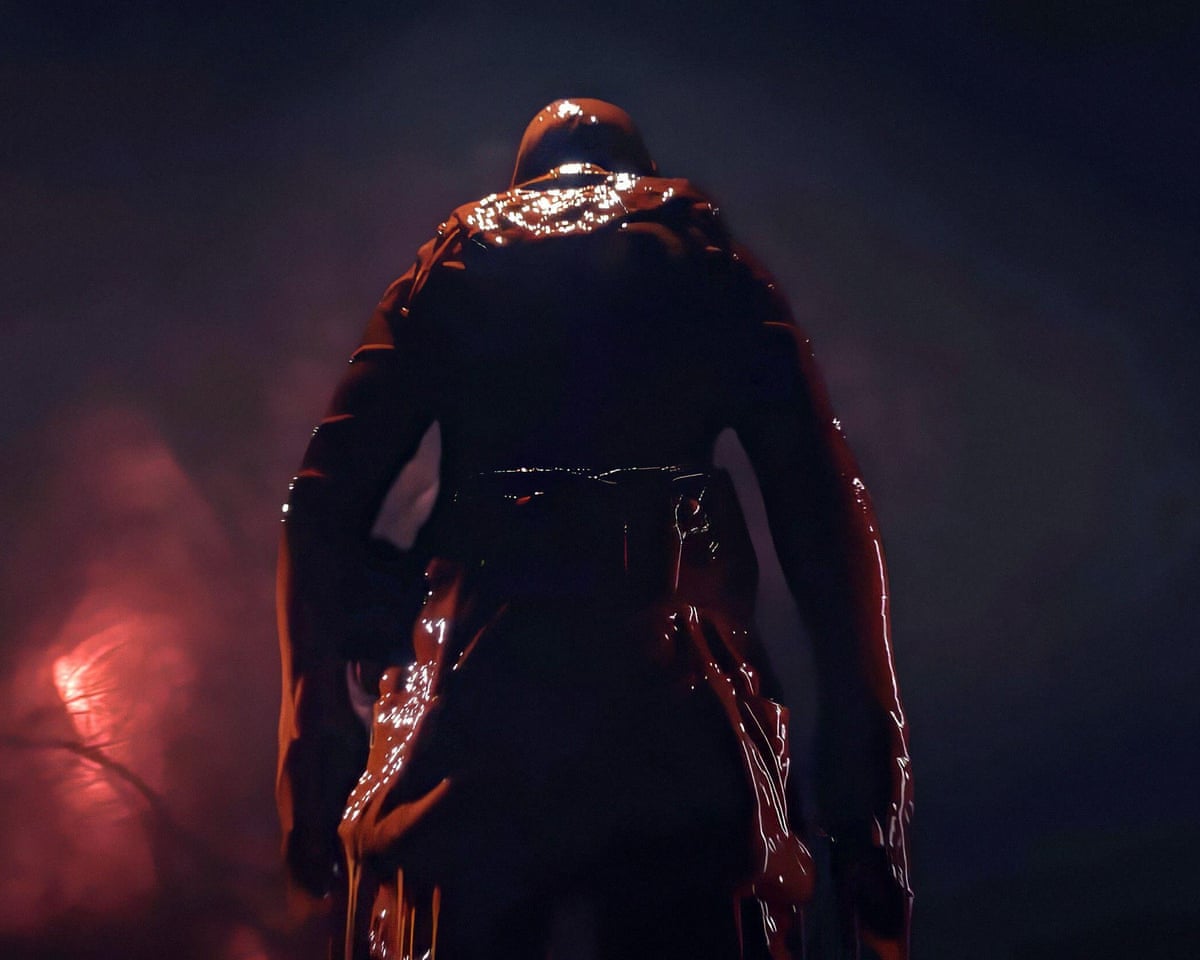
Films featuring characters escaping confined spaces by solving puzzles are common, spanning subgenres of thrillers such as the Saw series, Buried, and Fall. However, Iron Lung distinguishes itself through its procedural structure, prolonged contemplation sequences, the tools used by the protagonist, and the interconnected puzzles that unlock new possibilities—elements characteristic of video gameplay. The backstory is revealed via brief, cryptic flashbacks, similar to how games employ cinematic cutscenes to expand their universes. This film is not merely an adaptation of a game but a cinematic representation of the gaming experience itself—a narrativized playthrough. The closing credits almost feel like they should be accompanied by a comments section.
Hybrid Entertainment and the Convergence of Media
Iron Lung is part of a broader trend where YouTube gaming sensations transition into traditional media. For example, the popular Dungeons & Dragons YouTube channel has been adapted into an animated television series. Similarly, shows like Adventure Time and Rick and Morty originated online before moving to television and eventually inspiring video games. Theatre has also experimented with immersive, interactive productions for decades. Additionally, numerous TV shows are evolving into video podcasts, such as the new Harry Hill series. These developments reflect an era of hybrid entertainment experiences, requiring audiences to redefine their relationships with conventional media.
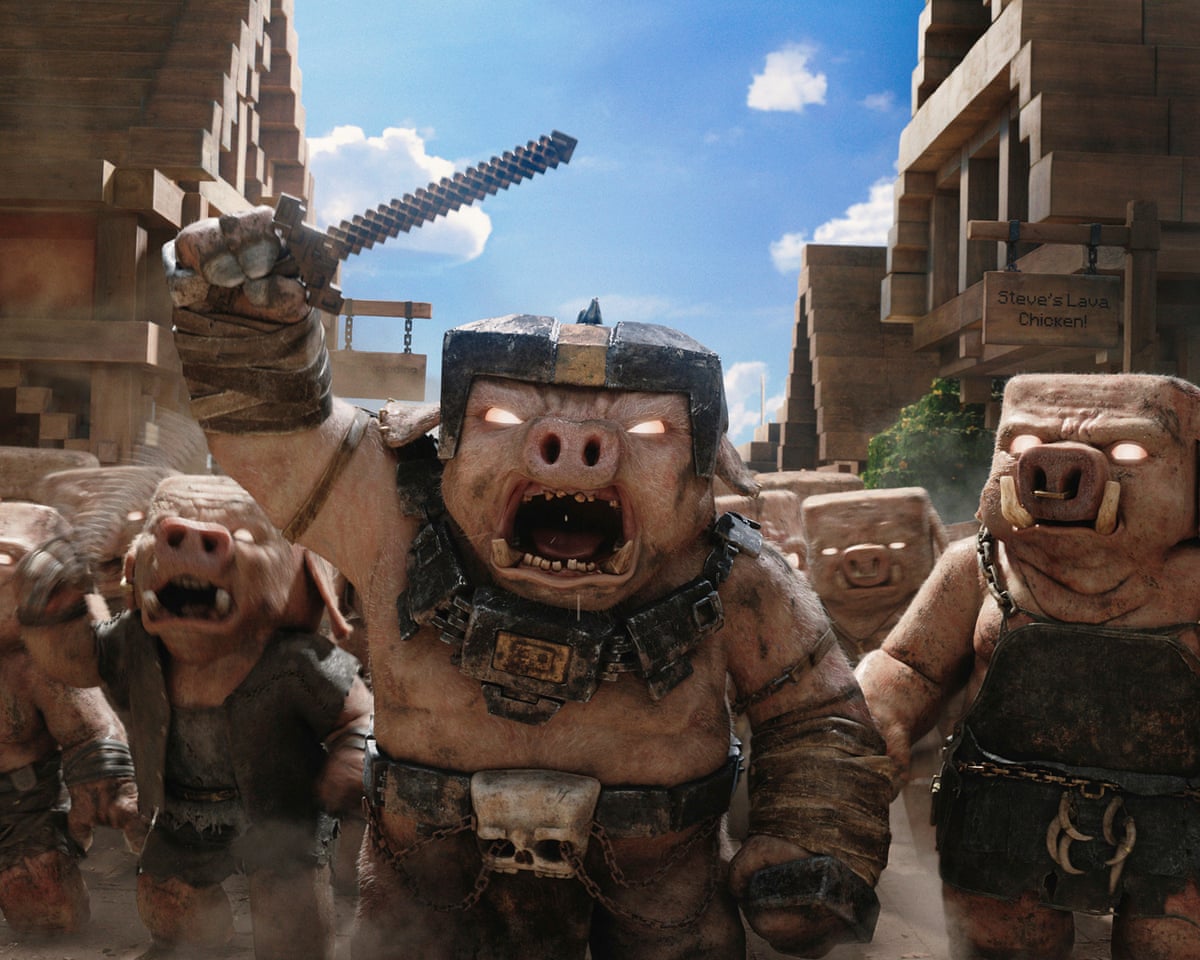
Previously, audiences have demonstrated unconventional engagement with films based on video games. For instance, the screening of The Minecraft Movie sparked controversy due to audience behavior that mimicked the parasocial experience of playing or watching Minecraft online. The cinema auditorium transformed into a physical analogue of Twitch or YouTube chat windows, with spectators participating in meme-like interactions. While viewing Iron Lung, teenagers behind me identified tropes and Easter eggs referencing Fischbach’s YouTube content and the original game, creating a layered, self-referential experience akin to an ontological hall of mirrors.
Iron Lung’s Place Among Cult Sci-Fi Thrillers
Iron Lung can be appreciated as a claustrophobic B-movie with oblique storytelling. Some comparisons have been drawn to John Carpenter’s anarchic Dark Star, though a closer parallel might be the cult sci-fi thriller Hardware, where a self-assembling killer robot menaces a woman confined to her apartment. Beneath the familiar elements of a contained thriller, Iron Lung retains its gaming origins, offering a self-reflexive experience for viewers familiar with its source material and willing to engage with its meta-narrative layers.
Regardless of individual opinions on Iron Lung, it is likely that more YouTubers will venture into filmmaking. However, there is hope that this trend will not lead to projects such as a Jake Paul-directed Rocky movie.
What to Play
For those seeking a role-playing adventure that avoids the extensive length and dense lore typical of many RPGs, Hermit and Pig offers a charming alternative. This game combines elements reminiscent of Animal Crossing and Undertale, set within a beautifully illustrated, vibrant world.
The story follows Hermit, a solitary man wandering the forest accompanied by his truffle-sniffing pet. Together, they become embroiled in a conflict involving a malevolent corporation. The game features puzzles and side quests that gently critique RPG conventions such as turn-based combat and leveling systems. The narrative sensitively addresses Hermit’s social awkwardness, while the visual style evokes the feel of beloved offbeat cartoons and webcomics.

Available on PC and Mac, the estimated playtime is approximately eight hours.

What to Read
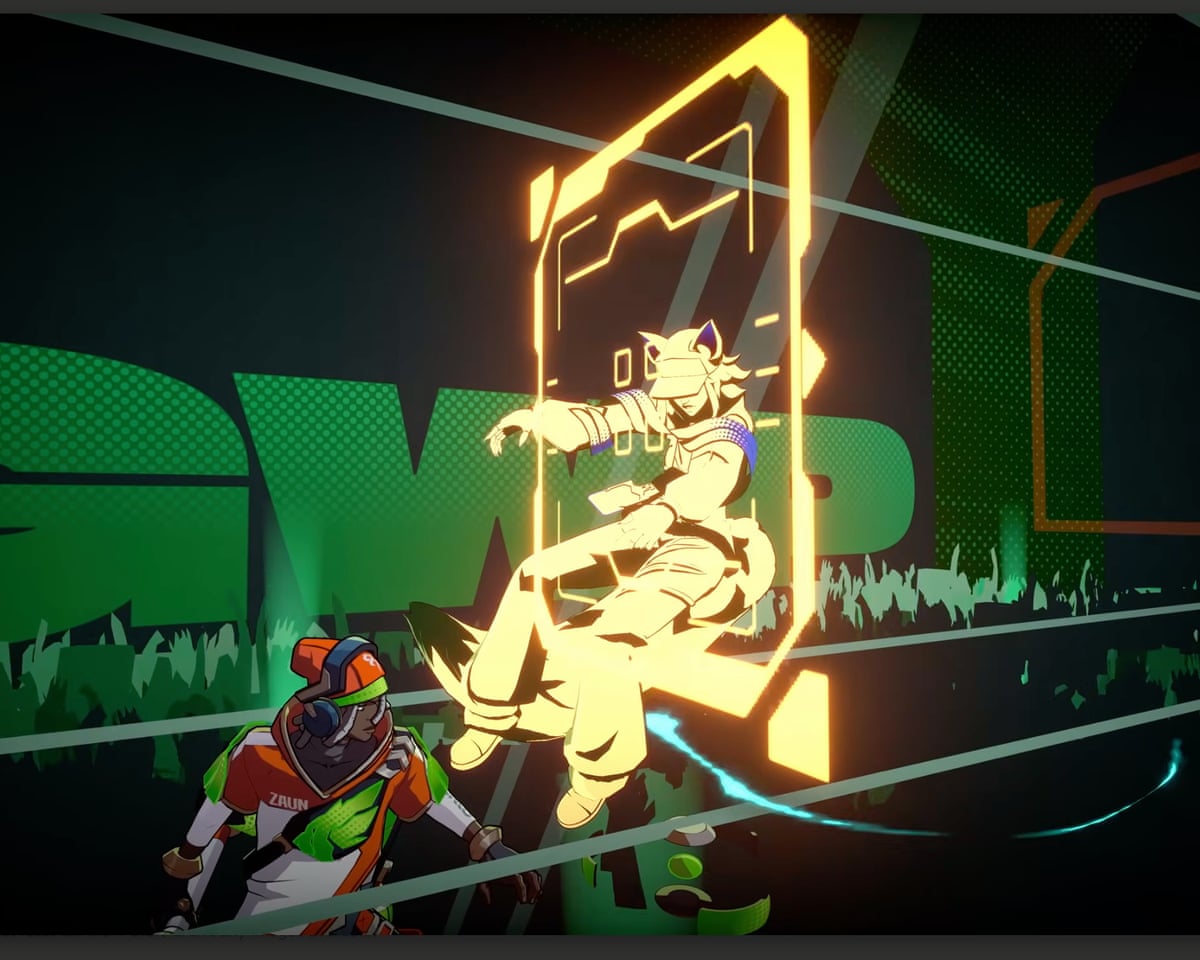
Riot Games recently announced the closure of the development team behind 2XKO, a fighting game set in the League of Legends universe. The decision was attributed to insufficient momentum to sustain a team of that size long-term. Despite positive reviews praising its fast-paced combat and vibrant visuals, the crowded fighting game market and even a potential audience of 100 million League of Legends fans failed to generate the necessary widespread interest.
In December, FIFA revealed that its major new football simulation game will launch in 2026 through a publishing agreement with Netflix. The developer, Delphi Interactive, is relatively unknown. GamesIndustry.Biz conducted interviews with its founders, who emphasized the need for innovative models to succeed in an evolving market. While the author personally believes the key is to create a football game as compelling as Football Manager, they acknowledge they are not a CEO.
Electronic Arts continues to maintain its Sims franchise, now spanning over two decades. The latest expansion, Royalty & Legacy, introduces the ability to govern a royal dynasty across generations, adding a grand narrative dimension to the usual gameplay of building homes and managing inhabitants. Matt Wales explains why fans eagerly anticipate ruling as king or queen.
Regular readers of Pushing Buttons are encouraged to listen to games editor Keza MacDonald discussing her new book, Super Nintendo, which explores the influential company’s history, available on ’s podcast platform.
What to Click
(No specific content provided in the original text for this section.)
Question Block
This week’s question, submitted by reader James R, revisits a longstanding video game debate:
“A few years ago everyone was asking, ‘What is the Citizen Kane of video games’?, but it seems no one is talking about that any more. Have we already had the Citizen Kane of video games? Did I miss it? If so, what was it?”
This debate peaked in the late 2000s and early 2010s, when innovative, cinematic titles such as Bioshock, Red Dead Redemption, and Deus Ex expanded the narrative and emotional possibilities of games through groundbreaking techniques. During that period, numerous gaming websites published articles addressing the question. For example, IGN declared Nintendo’s sci-fi adventure Metroid Prime as the Citizen Kane of video games, citing its ambitious use of diverse genre tropes and technical innovations. Although many disagreed, IGN’s attempt was notable.
The debate eventually faded, likely due to its descent into self-parody, reflecting the medium’s anxiety about living in cinema’s cultural shadow. A decade later, there is greater acceptance that video games do not need to be analogized to film history. Games such as The Stanley Parable, Disco Elysium, and Shadow of the Colossus are formally daring, while others like The Last of Us, Life Is Strange, and Mass Effect weave complex narrative strands. However, a game that encompasses all aspects akin to Citizen Kane may not exist. Ultimately, the author believes the question is less important.
“Games do different things from films and comparing them in this way doesn’t actually achieve anything. Having said that, the real answer is probably that it doesn’t matter.”
Readers are invited to submit questions or comments to pushingbuttons@the.com.