From Submarine Town to Experimental Music Hub
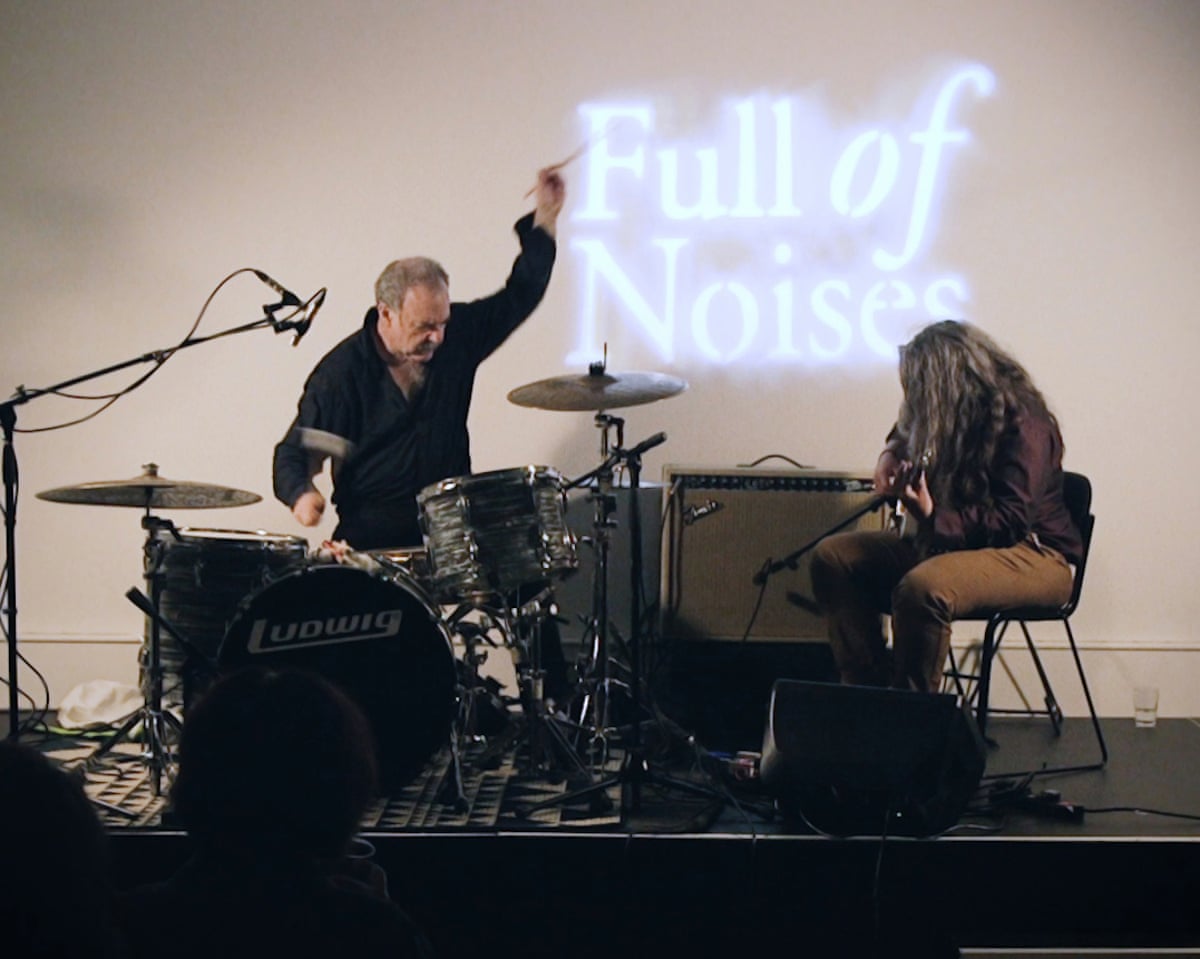
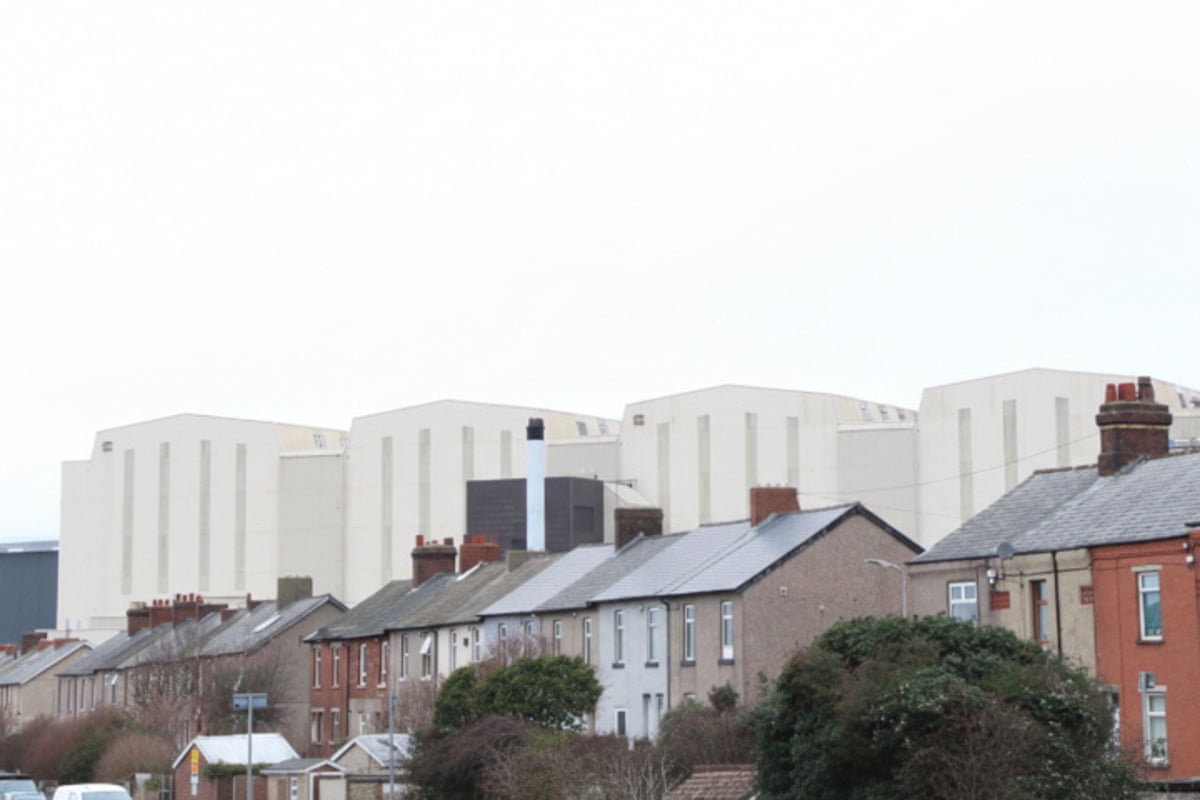
Barrow-in-Furness is located on a windswept peninsula along the Cumbrian coastline. Known primarily as an industrial town with a 140-year legacy of submarine construction, it is surrounded on three sides by the Irish Sea. The skyline is dominated by the corrugated roofs of BAE Systems’ Dock Hall, a sprawling complex employing about one-third of the town’s working-age population. Amid this militarised environment, Full of Noises, an experimental music and arts venue with a capacity of 40, has established itself. Its inaugural event featured krautrock pioneers Faust, who famously destroyed an electric guitar using a pneumatic drill.
Origins and Early Challenges
In 2009, after securing funding for a two-day festival, artistic director Glenn Boulter and four local artists took temporary stewardship of a dilapidated canteen building on Barrow Island, part of the heavily secured military-industrial complex. Boulter recalls the tension of working within this environment:
“It’s heavily security-controlled.”
“I remember a game we played on a nearby bridge, pulling out our phones as if to take photos and counting seconds until security approached us. For us, that was an interesting context to be working in.”
The paradox of operating within this highly surveilled area was that its remote location afforded a unique creative freedom, as there was no established local scene to conform to. Boulter explains:
“You could do anything because no one was really bothered or looking.”
The first festival set the tone with Faust’s unconventional performance involving banging on oil drums and setting fires. It also included a group of local ex-submariners performing Kurt Schwitters’ dadaist poetry in Morse code.
Evolution and Permanent Home
Full of Noises continued to move locations, commissioning works inspired by the town’s history, architecture, and communities. Sixteen years later, it has a permanent base at Piel View House, a former park keeper’s lodge situated on a hill within Barrow Park. The building’s traditional red brick exterior has been augmented with a Scandinavian-style black cuboid extension that houses an acoustically engineered space featuring pristine white interiors and tall rectangular windows framing the surrounding trees.
The venue has hosted notable figures in experimental and improvised music, including LA-based Tashi Wada, Julia Holter, Marisa Anderson, and Jim White. In late 2025, Lonnie Holley performed to an intimate audience of 40 at Full of Noises, shortly after playing London’s 1,500-capacity Roundhouse. Beyond concerts, the venue offers film screenings, creative workshops, and artist residencies, such as with Lee Gamble. Boulter reflects on the venue’s unique position:
“We’ve always enjoyed the challenge of putting on this kind of work in a place that’s fairly small and isolated.”

Community and Artist Support
During Independent Venue Week, the author spent two days with the Full of Noises team as they prepared for a group of graduates from the London College of Communication (LCC) to showcase their work. Venue programmer Amy Stretch-Parker shared her experience of touring:
“When I was touring, I remember sleeping on astroturf in someone’s kitchen.”
She emphasizes creating a welcoming environment, cooking communal meals for visiting artists to ensure the venue feels like a “home away from home.” She adds:
“No matter who’s performing, everyone’s treated the same.”
The venue’s upstairs area is slated for further renovation, pending funding, to include bedrooms for visitors and artists-in-residence.
Funding and Sustainability
Full of Noises operates under a distinctive financial model. It holds a 25-year lease at a peppercorn rent from the local authority, which supported redevelopment rather than demolition of the building. The majority of overhead costs are covered by Arts Council England (ACE) funding. Barrow’s recent designation as an ACE Priority Place has been transformative, enabling access to funds for building improvements and expanding the team. Boulter notes:
“It meant being able to access money for the building and increasing our funding enough to have a proper team.”
Additional support from the local authority, trusts, and foundations allows the venue to host over 60 events annually, most priced at £5 or on a pay-what-you-feel basis. The ethos is to remain open and welcoming to all who wish to engage.
An Evening at Full of Noises
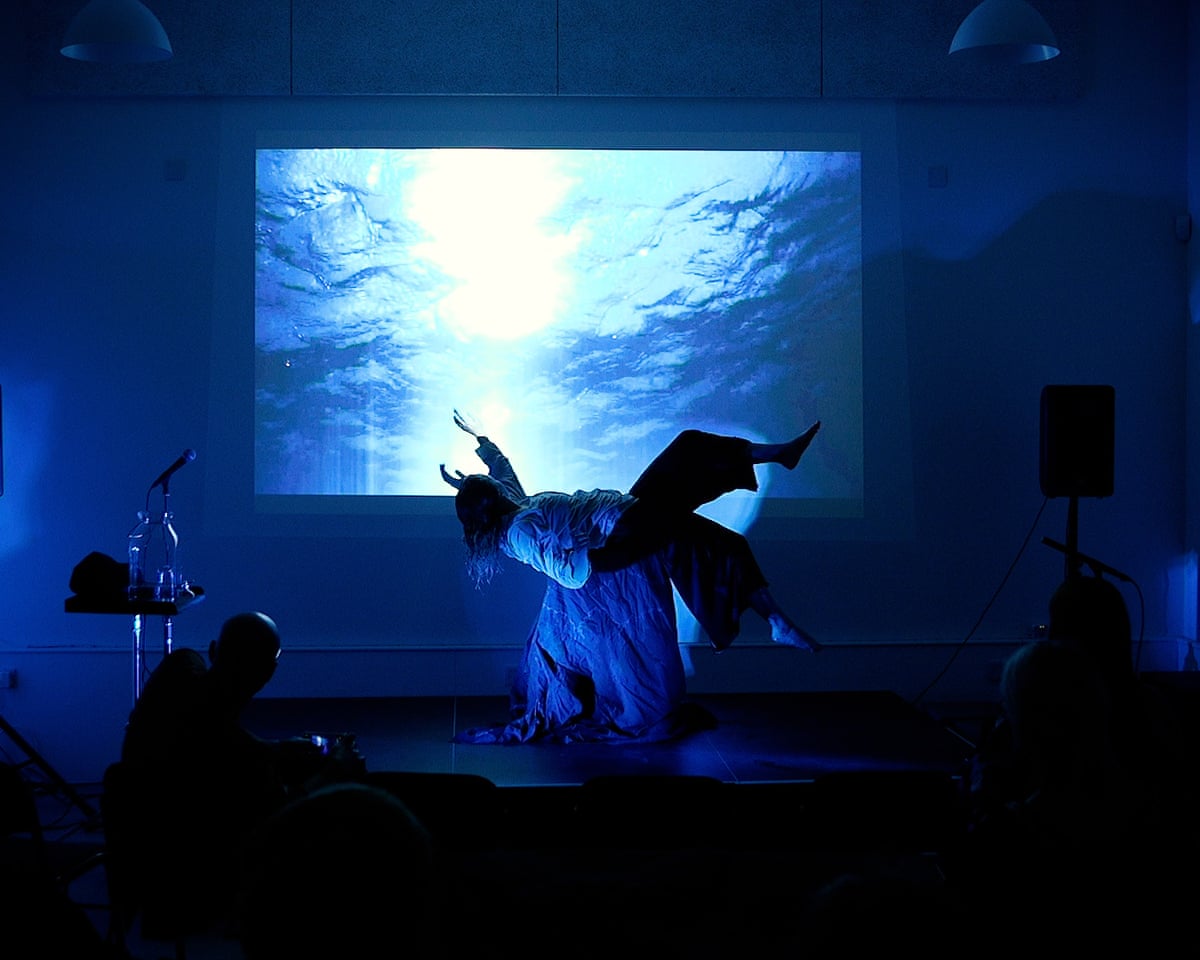
On a damp January evening, Full of Noises comes alive as LCC graduates set up an array of equipment including modular synthesizers, contact microphones, and children’s toys. Approximately 20 attendees arrive, order drinks served by Boulter acting as bartender, and take their seats. One performer, Sanki, captivates the audience with an illuminated tank of water and metal chains producing sub-aquatic mechanical distortions that resonate through the walls, a fitting reflection of the venue’s surroundings.
The Venue’s Name and Artistic Significance
After the show, a local regular recommends looking up Caliban’s speech from Shakespeare’s The Tempest to understand the venue’s name:
“Be not afeard; the isle is full of noises / Sounds and sweet airs, that give delight, and hurt not.”
This connection underscores the team’s discovery of artistic inspiration in Barrow’s isolation. Boulter concludes:
“As an artist, it’s just a really unusual, interesting place to be. An unlikely place where excellent art can happen.”