Sudden Closure of Glasgow's Centre for Contemporary Arts
The unexpected closure of the Centre for Contemporary Arts (CCA) in Glasgow last month came as a shock to the 40 staff members who lost their jobs. The venue was closed due to serious financial concerns and after a series of disputes involving artists and activists, particularly relating to the conflict between Israel and Hamas in Gaza.
The closure also surprised hundreds of creatives who were engaged in projects within and around the building.
Impact on Call to Stage Theatre Company
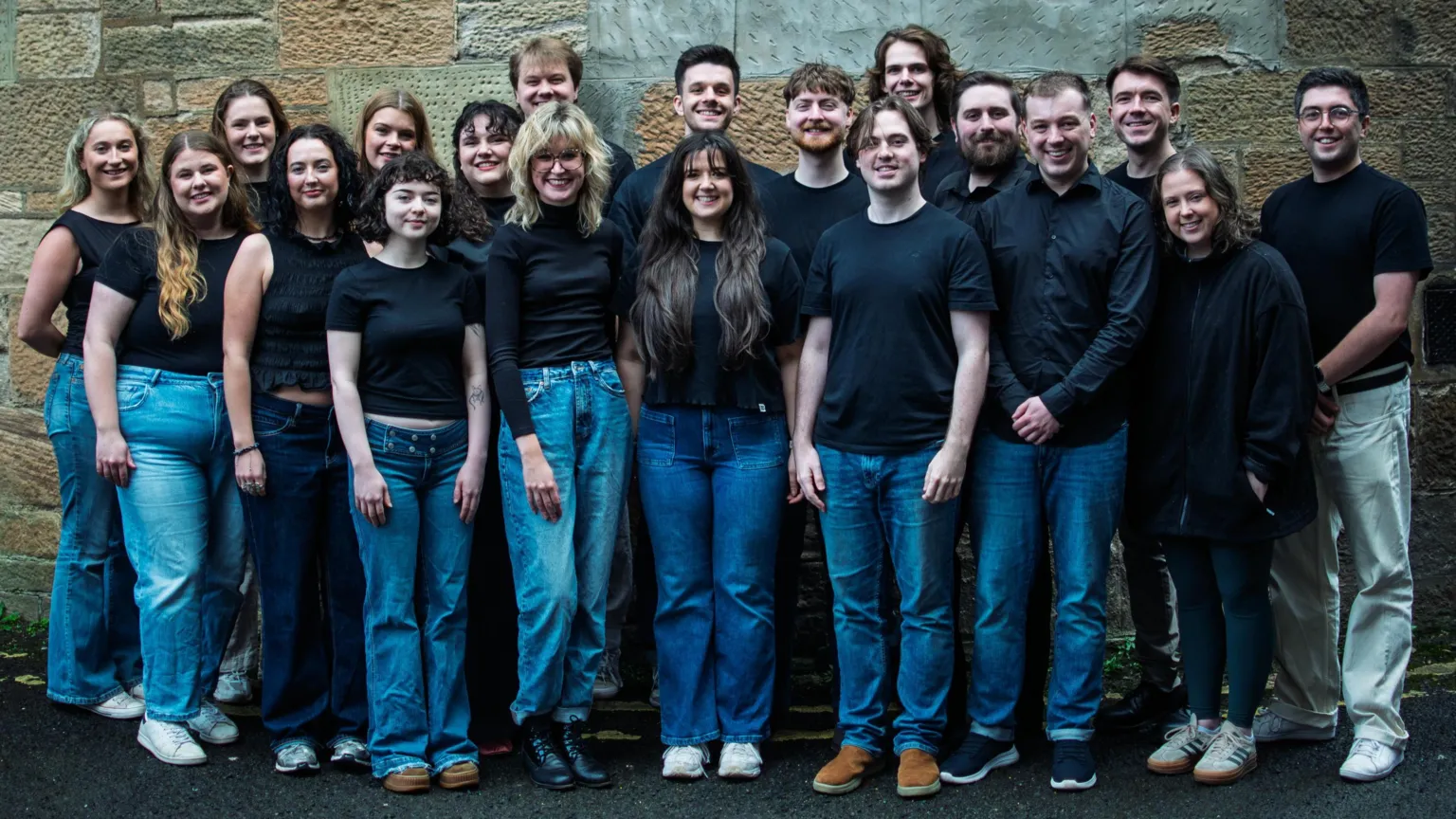
Call to Stage, a small non-profit theatre company based in Glasgow, was scheduled to open their latest production, Spring Awakening, at the CCA this week.
"The first we knew of the closure was in a news article,"
"We were shocked to find out that the venue had made its staff redundant and would be closing with immediate effect.
What followed was a frantic and emotionally heavy scramble which is probably familiar to many artists right now: trying to save a project in a struggling creative economy, with venues disappearing overnight."
The production is an ambitious staging of the 2006 Broadway musical, a coming-of-age story set in a strict nineteenth-century community. With only days before the scheduled opening, the company had to find an alternative venue to ensure the show would proceed.
"We've got a cast of 14, and a team of about 10 who have been working on this for four months now, on top of full-time jobs,"
"Losing venues and opportunities like this just drove us even more to make sure that the show would go on in whatever way possible."
Last Thursday, the show opened at the National Piping Centre with some modifications to the staging. Ticket sales were managed through their own box office system. However, the company is still owed nearly £2,000 from the cancelled booking at the CCA, which had been paid in full in December.
"Many organisations have been in touch to offer support and alternative venues, but the whole affair has been a stark reminder of the fragile infrastructure of independent theatre in Scotland,"
"Had we not found a venue, the loss wouldn't only have been financial. It would also have meant months of voluntary creative work being all for nought, and many early-career performers losing a rare platform,"
"It feels almost ironic that a musical about young people navigating systems that fail to listen to them was potentially silenced by the circumstances."
Cancelled Launch Event for Daisy Mulholland's Art Shop
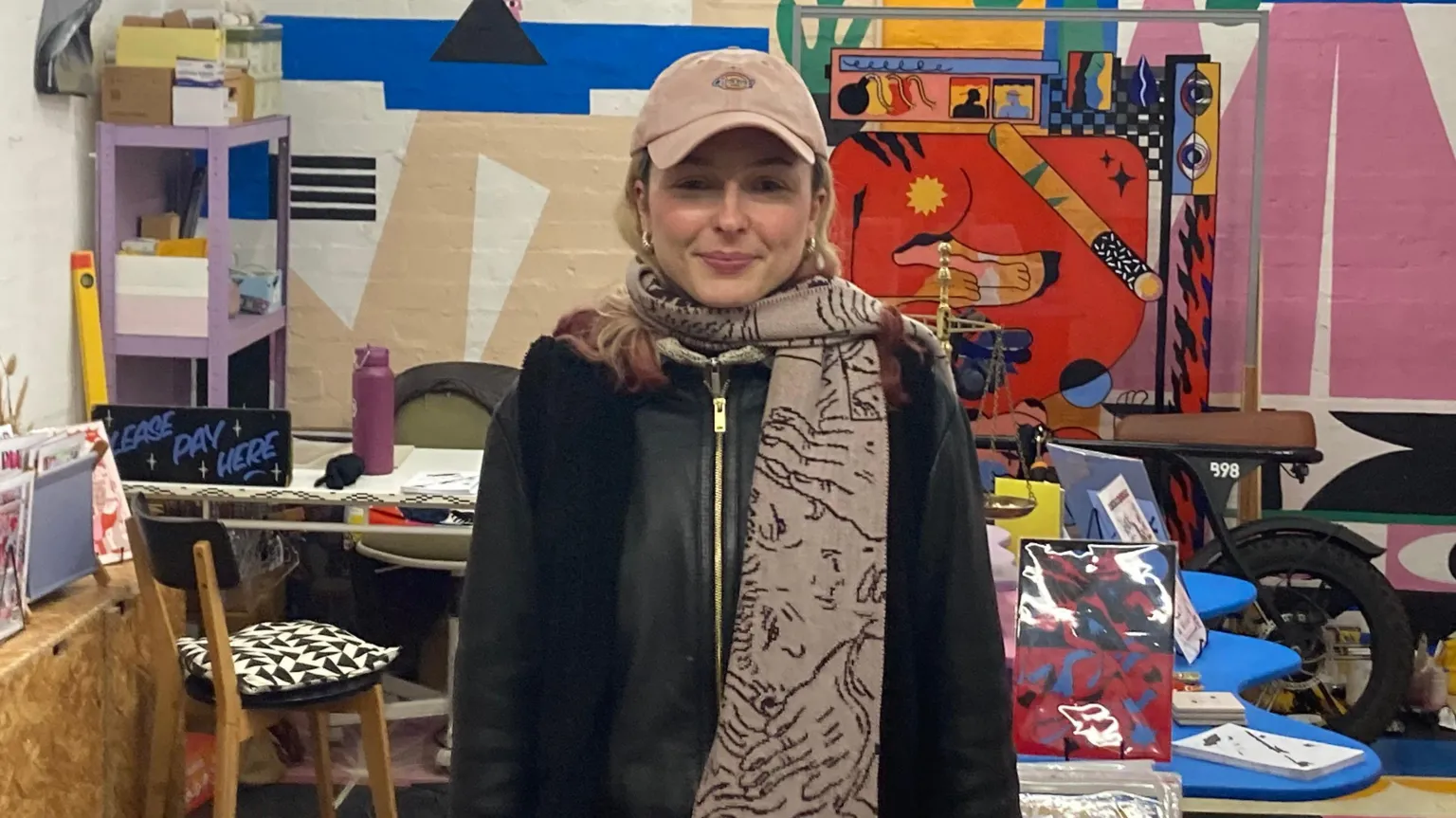
One event that did not proceed was the launch of a new art shop organized by Daisy Mulholland. The event was a circus-themed spectacle featuring aerial performances, a laser show, and animation. Daisy had been preparing for months, with the event scheduled for the day after the CCA's sudden closure.
"We had so much online interest, and over 250 people were meant to be attending,"
"This was a month-long endeavour with multiple rehearsals, costume-making and installs. Then on Friday I got an email saying the building was shut.
By the time I arrived at noon the locks had been changed. All of our projectors and lasers, costumes and aerial equipment have been locked inside the building."
Due to the locked building, Daisy and her team have been unable to reschedule the launch or make future plans. Her art shop within the CCA cannot operate until she regains access to the stock inside.
Daisy's original business, The Woom Room, began in the Savoy Centre and later moved to the Barras Market. The success of that project and community support encouraged her to expand into the CCA.

"We were so excited to bring more people to Sauchiehall Street like we did in the Barras Market. We were already beginning to come up with ideas about how to bring more people in. We were working together. It was such a positive and inspiring place,"
Daisy is currently in discussions with Scottish Enterprise and other agencies regarding next steps.
"The CCA do not owe us money directly but the sudden closure has lost us sales, stunted our growth as a business, and we cannot fulfil pre-orders from customers that were meant to be shipped out on the Monday.
Not to mention the refunds we now need to give out due to the sudden postponement of our event which we had to notify people on the day about."
Effect on Glasgow's Poetry Community
Glasgow's poet laureate, Jim Carruth, also highlighted the impact of the closure on writers. He founded St Mungo's Mirrorball, a network of 100 poets, in 2005. The group had a partnership with the CCA for over a decade.
"It has been vital to our survival,"
"We receive no public money, so the free room they provide for seven events a year is vital to showcase the best UK poets alongside local ones."
The next event, featuring recent Scottish Poetry Book of the Year winner Anthony Vahni Capildeo, will now be held at a nearby Waterstones bookshop. However, Jim expressed concern about securing suitable venues for future readings.
"The CCA was central, accessible, affordable and it had a bar. Very few venues in Glasgow offer that,"

Ownership and Future of the CCA Building
The building at 350 Sauchiehall Street is owned by Creative Scotland, which rented it to the CCA for a nominal fee of £1 per year. However, control remains with the CCA until an insolvency firm is appointed.
Speaking to the Scottish Parliament's culture committee last week, Creative Scotland's chief executive Iain Munro stated he would not rush reopening the venue.
"We're committed to 'what next',"
"We've had a lot of interest come forward in terms of the building, its recreative opening and ideas around that and we need to engage with that.
We won't be able to rush into anything because we need to be able to get something with solid foundations confidently in the position to reopen for the long term."
The CCA has experienced several closures in recent years, including one related to funding insecurity. Despite a promised £1.3 million from Creative Scotland for the upcoming financial year, funding is not currently the primary obstacle to reopening.
Passion and ideas remain abundant among those affected. For Olivia Attwooll-Keith, the closure has strengthened their resolve to stage their production.
"It's been a difficult week but it's also been an incredible week,"
"It's a tribute to the tenacity of our cast for continuing to rehearse and then stage a difficult and challenging show while not knowing if it would go on. It's a real example of the tenacity of the arts to make sure that we can still perform and give audiences the chance to see work."
For Daisy Mulholland, the situation is one of waiting and hoping to revive the work she was forced to abandon.
"You work together and pour your heart into this dream. So to watch the doors close right in front of your eyes and your dreams be quashed is absolutely devastating, emotionally and financially."