

Comedy Industry Warns of Funding Shortfalls Threatening Future Talent
Britain is internationally renowned for its comedy, yet industry leaders caution that the "next generation of comedy voices" may face significant challenges breaking through without increased funding and incentives.
Although comedy remains one of the country's most popular entertainment forms, it has historically lacked guaranteed state support.
While established comedians fill arenas and sitcoms attract millions of viewers, grassroots venues—where emerging comics develop their skills—and production companies require assistance to sustain the upcoming wave of talent.
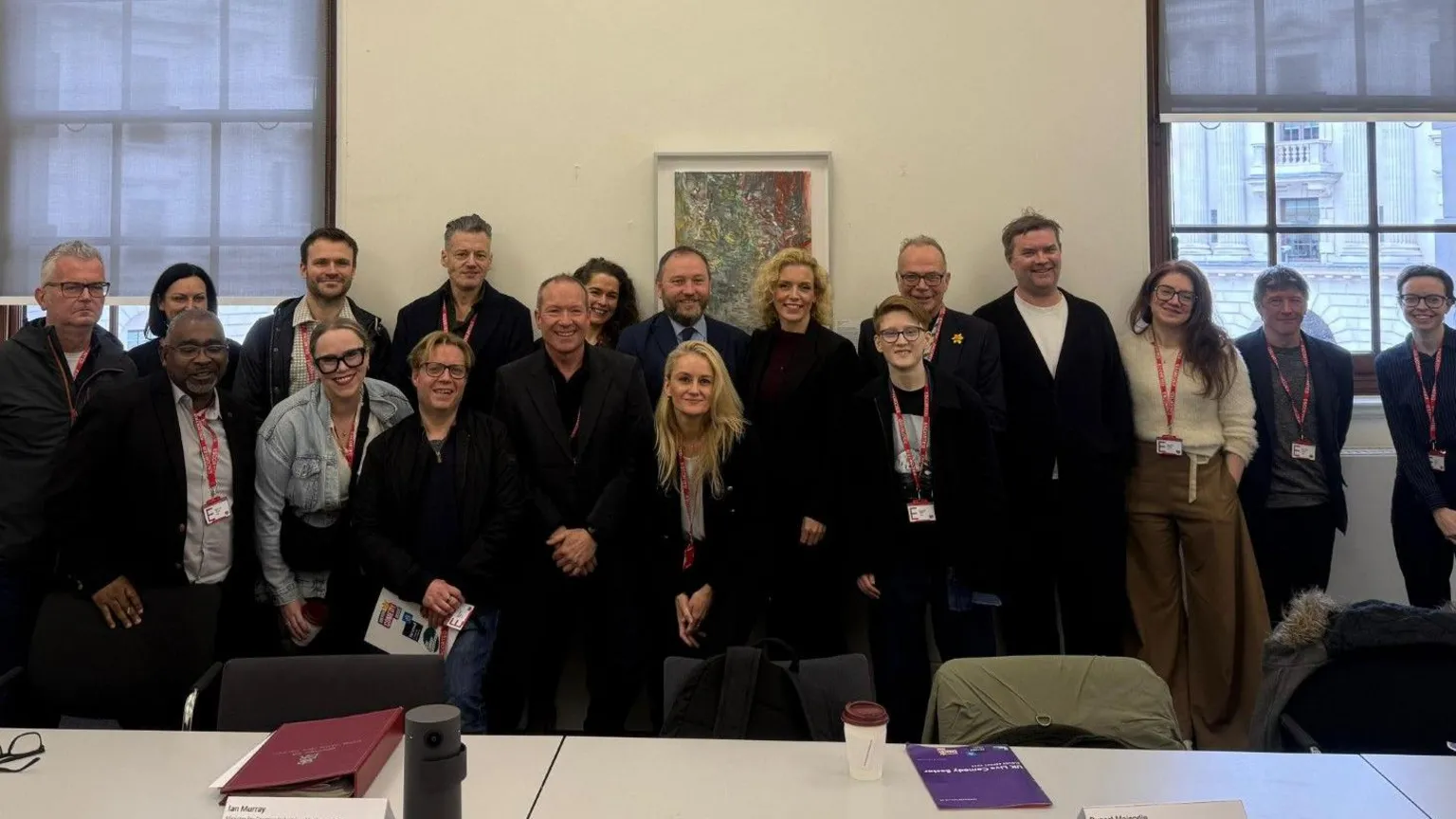
Leading figures from the comedy sector recently met with government officials to advocate for comedy, including its recognition as an art form to enhance funding access and inform policy development.
Further discussions are anticipated, with Culture Minister Ian Murray expressing that he is "entirely behind" a proposal to collaborate with the comedy industry to "better understand the opportunities for government intervention."
He also encouraged the comedy sector to "explore" the possibility of introducing a voluntary ticket levy similar to that used in the music industry, where larger venues reinvest in grassroots initiatives.
Arts Council England (ACE) stated it currently supports comedy but has no plans to alter its funding structure.
Several participants at last month's meeting believe more comprehensive support is necessary for an industry integral to many people's lives across various formats.
Comedian Tom Walker, known for his portrayal of fictional journalist Jonathan Pie, emphasized the need for government recognition of comedy "as an important cultural thing from grassroots to sitcoms on the BBC."
"Essentially every stand-up comedian is a small business, they are an entrepreneur and that should be rewarded and acknowledged," Walker explained.
Ro Dodgson highlighted that comedy "is often based on risk," and financially struggling clubs and promoters are less able to take chances on new acts.
"If the government agreed funding to clubs 'as almost a form of insurance' to keep trying new acts and supporting emerging talent then we'd have an industry that can sustain itself," Dodgson stated.
"If you don't get an influx of diverse perspectives at all times, comedy won't stay relevant," she added.
Comedian Carly Smallman noted that official recognition of comedy as an art form would open access to support routes available to other creative industries.

"The support that music gets, the support that theatre gets, it's not open to comedy because as far as a lot of the decision-makers know, it's not a thing.
"But it clearly is a thing and it's a huge industry and it's like we've just had to kind of get on with it," Smallman said.
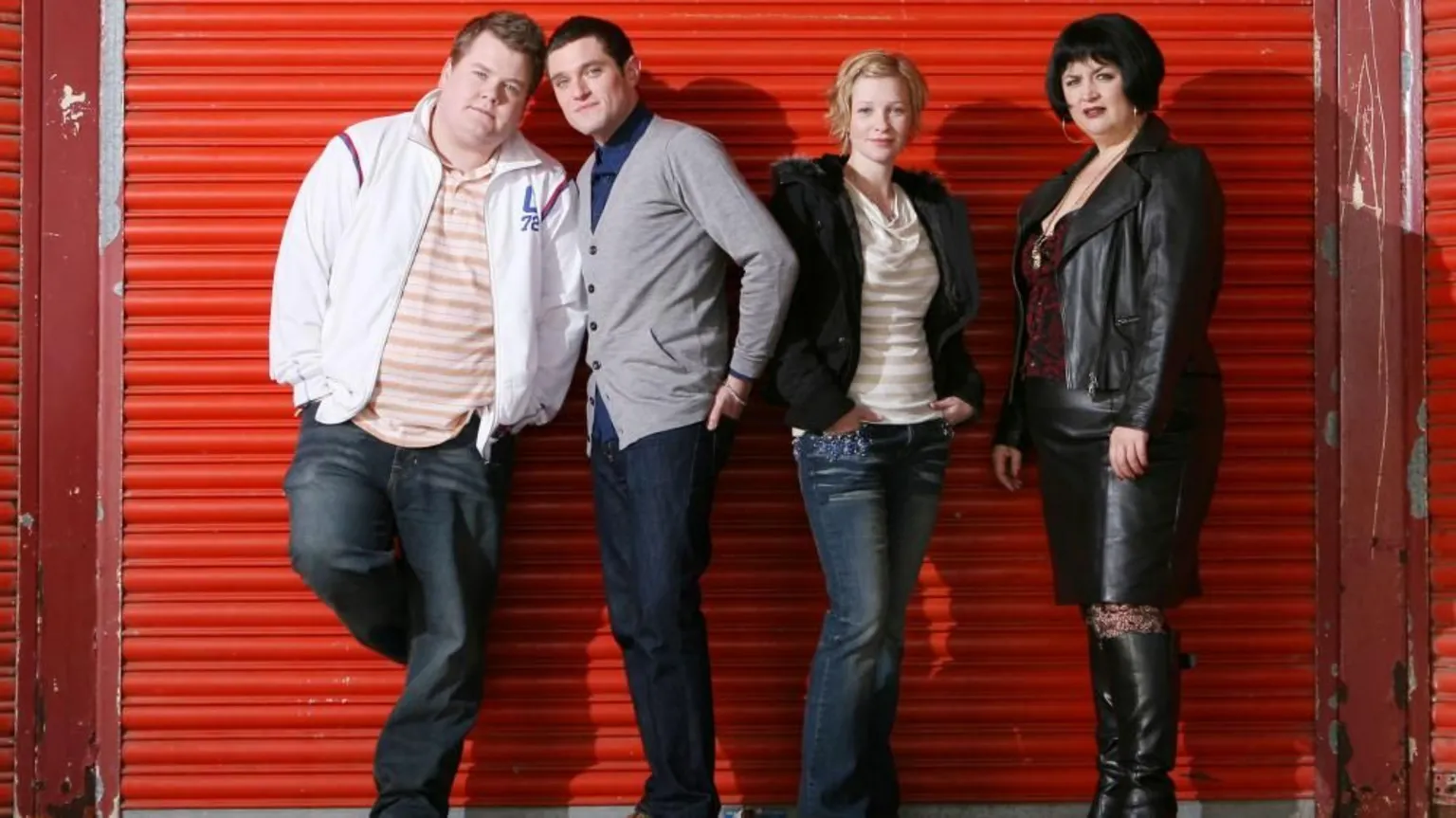
Baby Cow Productions, known for successes such as Gavin and Stacey and Alan Partridge, aims to continue supporting live comedians and emerging talent transitioning to television.
Chief creative officer Rupert Majendie explained that incentives for production companies could encourage investment in pilots and tasters to help comedians progress.
"What we need from government is a clear commitment to protecting that ecosystem: strong public service broadcasters, the right incentives for production, and conditions that allow independent producers to keep backing new talent.
"If we get that right, the UK will remain one of the most vibrant and successful creative industries in the world. If we don't, we may lose the next generation of comedy voices," Majendie warned.
Tech entrepreneur Lu Jackson, founder of the Comedy Representation & Artform Trust (Craft), stated that comedy is "completely omitted" from government policy and organizational structures.
"That trickles downstream to mean that comedy is not getting funded even though it generates billions in revenue, millions in tax, it's not being proportionately reinvested back into the sector," Jackson said.
Labour MP Dr Simon Opher, known for pioneering social prescriptions in Gloucestershire, expressed interest in using comedy to "make people better" and emphasized the need to secure the industry's foundation.
"One of the problems with the structure of comedy is that the big comics are on loads of money and they're all fine and the small comics are playing to 20 in a shed and not getting paid for it all and it's a bit like music in that way," Opher remarked.
He suggested comedy could "mimic" the music industry's approach, including adopting a voluntary £1 ticket levy.
Government Response and Funding Overview
A spokesperson for the Department for Digital, Culture, Media and Sport (DCMS) expressed satisfaction with the recent meeting, stating: "We look forward to continuing this engagement in the future."
Between 2010/11 and 2024/25, Arts Council England awarded £12.23 million in funding where an applicant name, project title, or category included the word "comedy," according to government data.
An ACE spokesperson acknowledged the significance of live comedy, stating: "It is an art form which we are proud to support especially given the range of audiences it reaches."
They noted that ACE provides "regular and project-based funding" to organizations involved in comedy production and performance.
The spokesperson explained that ACE organizes its funding under nine main categories, including dance, libraries, museums, music, and theatre.
Within these categories, ACE tracks investments in specific art forms such as opera, circus, and comedy. Currently, there are no plans to change how these investments are classified.
for our Politics Essential newsletter to keep up with the inner workings of Westminster and beyond.



