7 Soul Tourists (2005)
Even by Bernardine Evaristo’s experimental standards, Soul Tourists is a highly ambitious fusion of forms and narratives. The novel follows a mismatched couple, the reserved Stanley and the exuberant Jessie, on a road trip across Europe where they encounter the ghosts of notable black historical figures such as Alexander Pushkin and Mary Seacole. While the journey is educational, the core of the story lies in the dynamic and often combative relationship between Stanley and Jessie. The narrative employs a diverse blend of prose, poetry, scripts, memos, legal documents, budget spreadsheets, and road signs. Despite its charm and energetic style, the book sometimes struggles under the weight of its own ambitious intentions and eclectic format.
“Will you shut the fuck up, Mr Whingealot! This is supposed to be a freewheeling adventure, not an expedition planned with military precision.”
6 Manifesto: On Never Giving Up (2021)
While readers await Evaristo’s next work following Girl, Woman, Other, this concise memoir offers insight into her life. It presents a spirited overview from her childhood—highlighting the fighting spirit inherited from her father—through her relationships, activism, and literary achievements. The central theme encourages perseverance in work, love, and life. Evaristo is notably self-critical yet also compassionate and forgiving. She reflects on storytelling as her most powerful form of communication. Although the memoir contains engaging details and humor, its fragmented structure means it does not carry the same impact as her fiction.
“Boy, do I look fierce. I remember smiling at a baby on a plane once, only for its father to tell me I was scaring it. Thanks.”
5 Lara (1997)
Evaristo’s debut novel, written entirely in verse, is autobiographical and serves as a tribute to her diverse heritage, including her Nigerian father and her English mother’s Irish lineage, as well as family connections to Germany and Brazil. Lara was formative for Evaristo, helping her discover both her family history and her unique voice. Writing about her parents presented challenges; her mother expressed discomfort with the sex scenes between the narrator’s parents, questioning her knowledge, while her father proudly shared the novel but was unable to answer questions about it when tested by one of Evaristo’s brothers.

“At Eltham Hill Girls she torpedoed chewing gum on entering / hitched her skirt on exiting / tissue-padded her non-existents in the upstairs loo / and choked over smoke at lunchtime behind Jubilee Gardens.”
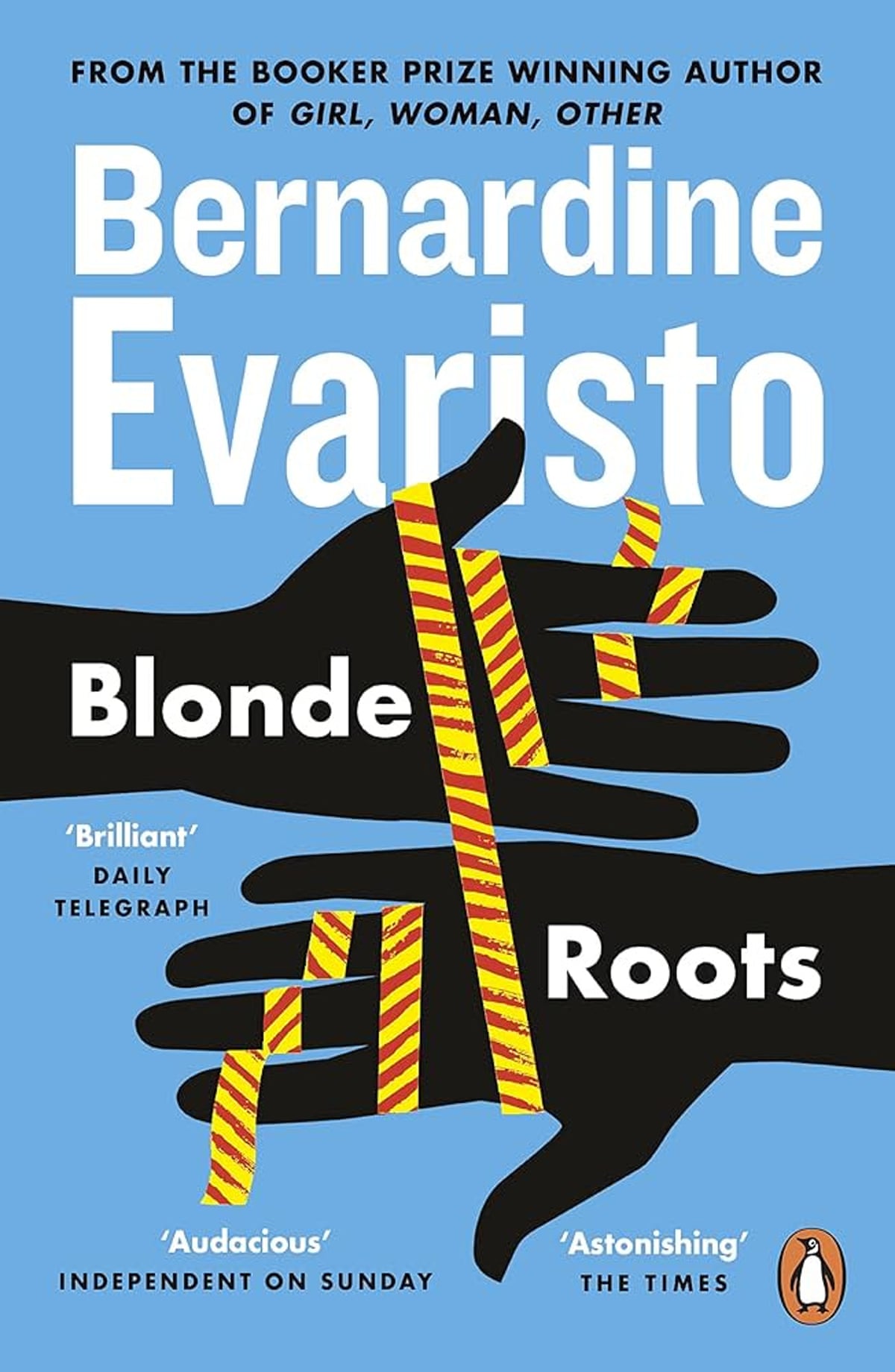
4 Blonde Roots (2008)
This novel marks Evaristo’s first work written entirely in prose and explores a provocative premise: what if Europeans had been enslaved by Africans? The protagonist, Doris Scagglethorpe, is a white woman who despises her appearance and desires to have her nose flattened and skin darkened. She is captured and transported to "Amarika," where she faces both hardship and adventure. Blonde Roots is Evaristo’s most unflinching book, with particularly harrowing sections depicting the slave ship experience. However, the sharp irony woven throughout the narrative alleviates some of the heaviness, resulting in a highly impressive work.
“My terms of engagement stipulated that it was a job for life, that my hours should run from Sunday to Monday 12am to 11.55pm daily, though I needed to be available to do overtime when required.”
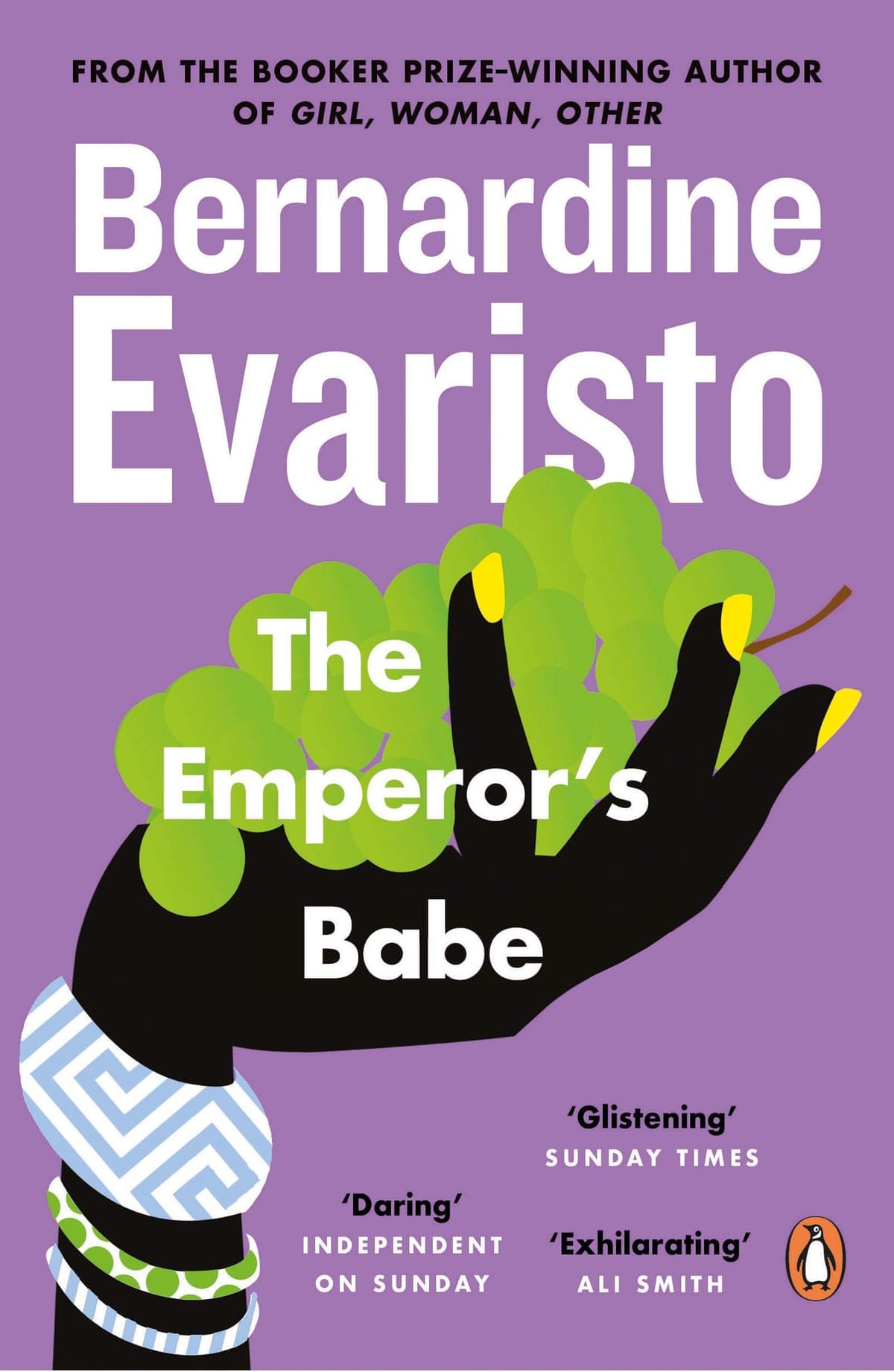
3 The Emperor’s Babe (2001)
This novel exemplifies Evaristo’s approach at its best: encouraging readers to embrace new literary forms without sacrificing readability. The story centers on Zuleika, a half-Nubian girl in AD 211 who is married at age 11 to a corpulent Roman nobleman. The entire narrative is delivered in free verse. Zuleika initially resents her marriage but later falls in love with the emperor Septimius Severus, whose historical dates hint at the story’s trajectory. The novel is a joyous experience, filled with verbal energy and multilingual wordplay. Evaristo has described The Emperor’s Babe as her “most wildly enjoyable writing process,” a sentiment that resonates through the pleasure of reading it.
“His eyes swiftly shifted from ceiling to mine / and speared me – all metal / running down my cold spine, then melting / molten liquid, flowing into the scoop of the bowl / between my hips.”
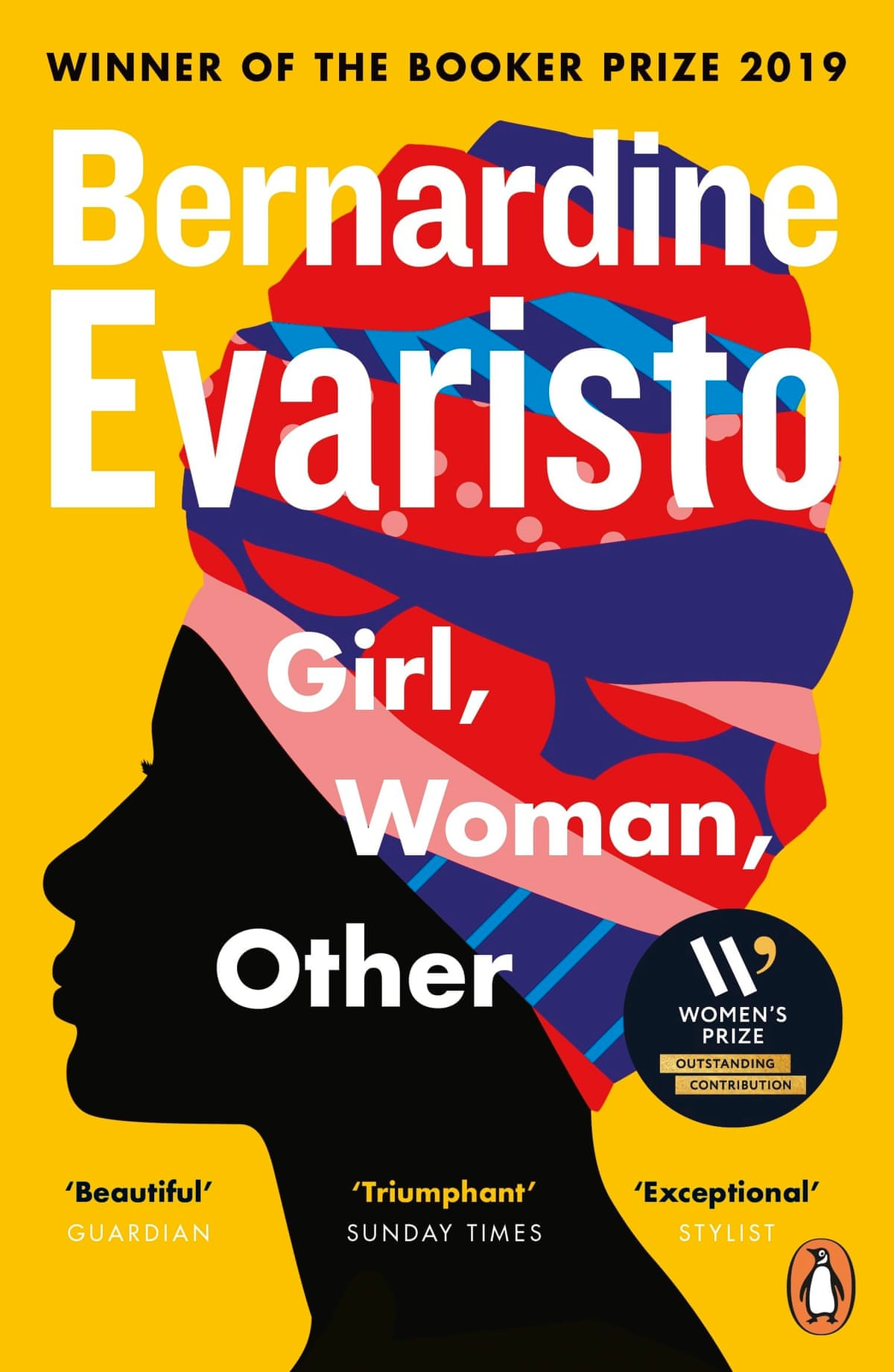
2 Girl, Woman, Other (2019)
Evaristo’s acclaimed Booker Prize-winning novel (which shared the prize controversially with Margaret Atwood) is expansive, inclusive, and populated by diverse characters. The book follows the lives of 12 women, predominantly black, from various ages and backgrounds. Their interconnected stories explore social status and the “hidden histories” of modern Britain. The novel’s smooth free-verse style, notably without full stops, creates an effective rhythm that enhances plot developments and punchlines. Elements drawn from Evaristo’s own life, as revealed in Manifesto, appear in the narrative, including sexual experimentation and experiences with abusive relationships. Girl, Woman, Other masterfully transforms personal material into literary excellence.
“Both were disillusioned at being put up for parts such as slave, servant, prostitute, nanny or crim … and still not getting the job.”
1 Mr Loverman (2013)
This poignant and engaging novel tells the story of Barrington (“Barry”), a 74-year-old British-Caribbean man whose seemingly content family life conceals a long-held secret: he has been in a gay relationship with his best friend Morris for 60 years. The novel explores the consequences and background of this secret, with Barry reflecting, “this is what happens when 75 per cent of your life is in the past.” Evaristo employs her characteristic textual variety and blended styles here with remarkable control and effectiveness. Mr Loverman captures the essence of Evaristo’s style, described by her longtime editor Simon Prosser as “the flow and bounce of ordinary speech made memorable and poetic, the warmth and wit of her characterisation, the combination of high and low, funny and serious.” The novel is also notably humorous, reflecting Evaristo’s belief that humor is essential to her writing’s success.
“God a-damn me the day I chose to enter this hellish so-called marriage instead of following my Morris-loving, sweet-loving, full-blooded, hot-blooded, rumping-pumping, throbbing organ of an uncontainable, unrestrainable, undetainable man-loving heart.”