

Creating Utopia: An Art Exhibition as a Pub
Young Glasgow artist Trackie McLeod has developed an innovative exhibition titled Utopia, a fully functioning pub built from the ground up. The space invites visitors to enjoy a pint, play darts targeting figures like Margaret Thatcher or Donald Trump, and engage with mixed-media artworks including print, sculpture, and sound. McLeod himself serves drinks, while the venue also hosts drag performances, DJs, and panel discussions.
“The art world has a real issue with making things overly conceptual, too complicated and using wanky jargon,”says McLeod.
“It alienates people.”In response, he chose to create a more accessible and familiar environment for his latest show.
Among the interactive features is a fruit machine that dispenses chocolate coins. McLeod explains,
“Which is a comment on how these machines rinse working-class pockets for their own gain. Whereas with this work, everyone’s a winner.”
Utopia is hosted at Factory International’s Aviva Studios in Glasgow and was commissioned by its Young Curators team. The exhibition explores themes such as nostalgia, class, identity, and gentrification, while paying tribute to pubs and working men’s clubs as essential community spaces.
“I grew up in places like this,”McLeod reflects.
“All our family occasions were there – weddings, birthdays, funerals. It’s where all the disputes happened. Spaces that were cheap and cheerful but championed character and comfort. I’m trying to bring back a sense of togetherness that we’re lacking at the moment.”
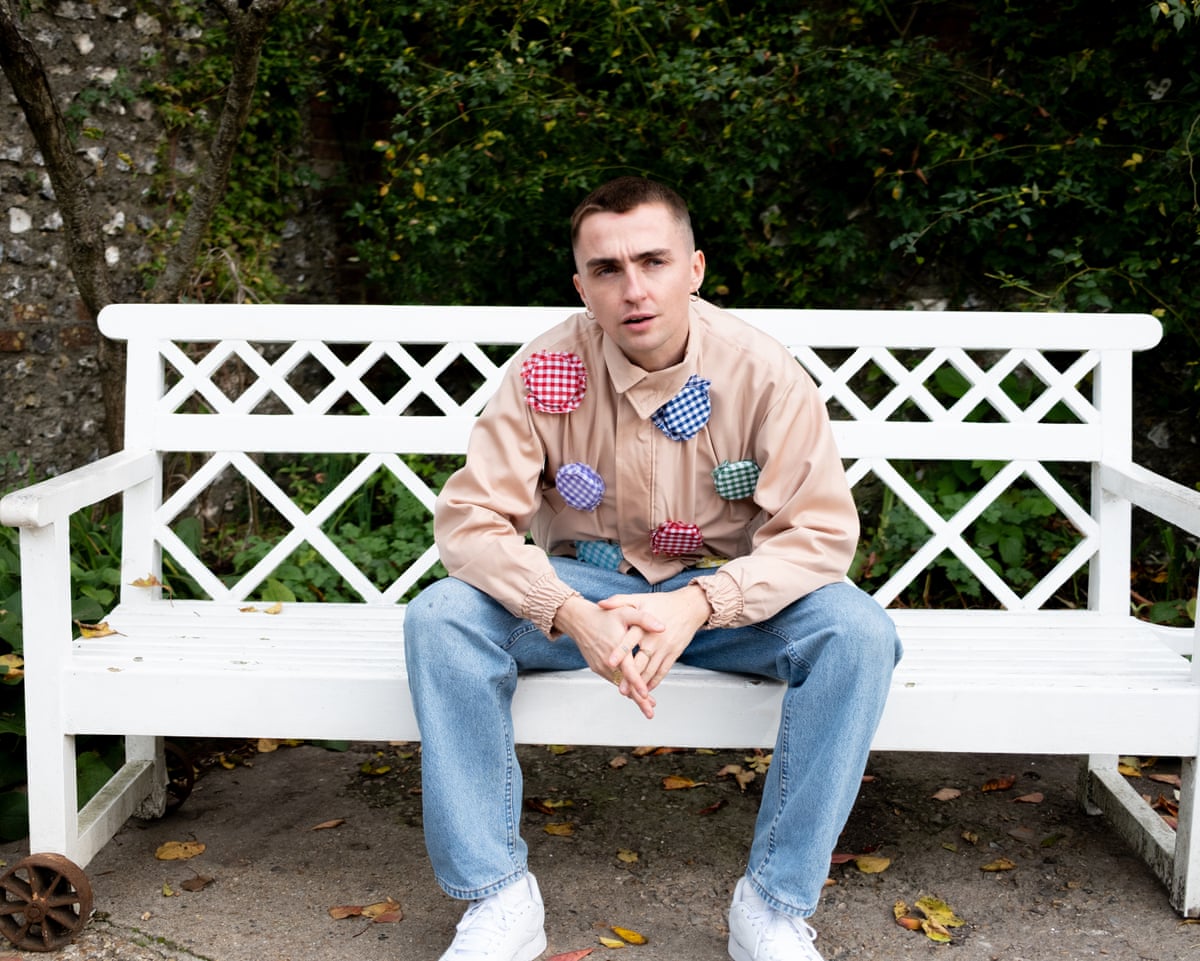
Background and Artistic Journey
Trackie McLeod, 32, earned his nickname from his habit of changing into a fresh tracksuit when parties extended into the following day. His artistic career has been marked by a non-linear path with many challenges. After two successful exhibitions, Fruit (2024) and Fruit II (2025), he currently has another show, Soft Play, running at the Charleston in Lewes until mid-April. This exhibition recreates an outdoor play park indoors and explores the difficult transition from childhood to adolescence. McLeod describes it as reflecting
“When you’re playing as an adult in these spaces – like drinking and vandalising – but are still really a kid.”

McLeod struggled in school, particularly with the art curriculum focused on traditional painters. His interest was sparked when a former student, who resembled and spoke like him, introduced him to artists such as Andy Warhol, Jean-Michel Basquiat, and Keith Haring.
“That was my introduction to art that wasn’t just necessarily painting. A real turning point.”
Despite this inspiration, McLeod failed art classes due to dyslexia and difficulties with essay writing. He eventually enrolled in college to study design and later attended university, steadily developing his artistic voice.
“I’ve been chipping away at this for a long time,”he says.
“It hasn’t been a linear path. There have been lots of ups and downs.”
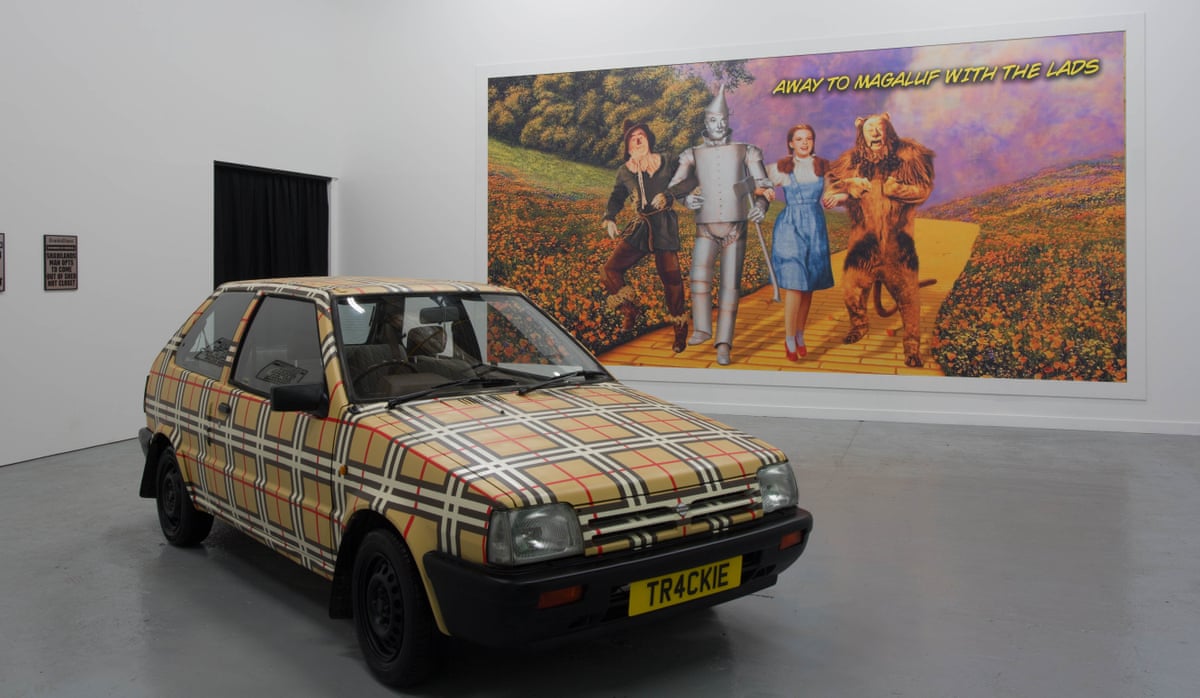
By the time of his Fruit exhibition, which featured a car painted in Burberry check and a dovecote installation, McLeod felt he had found his style. His work blends Scottish vernacular, popular culture, graphic design, 2000s nostalgia, and class commentary.
“It all came together,”he states.
Exploring Identity and Social Themes
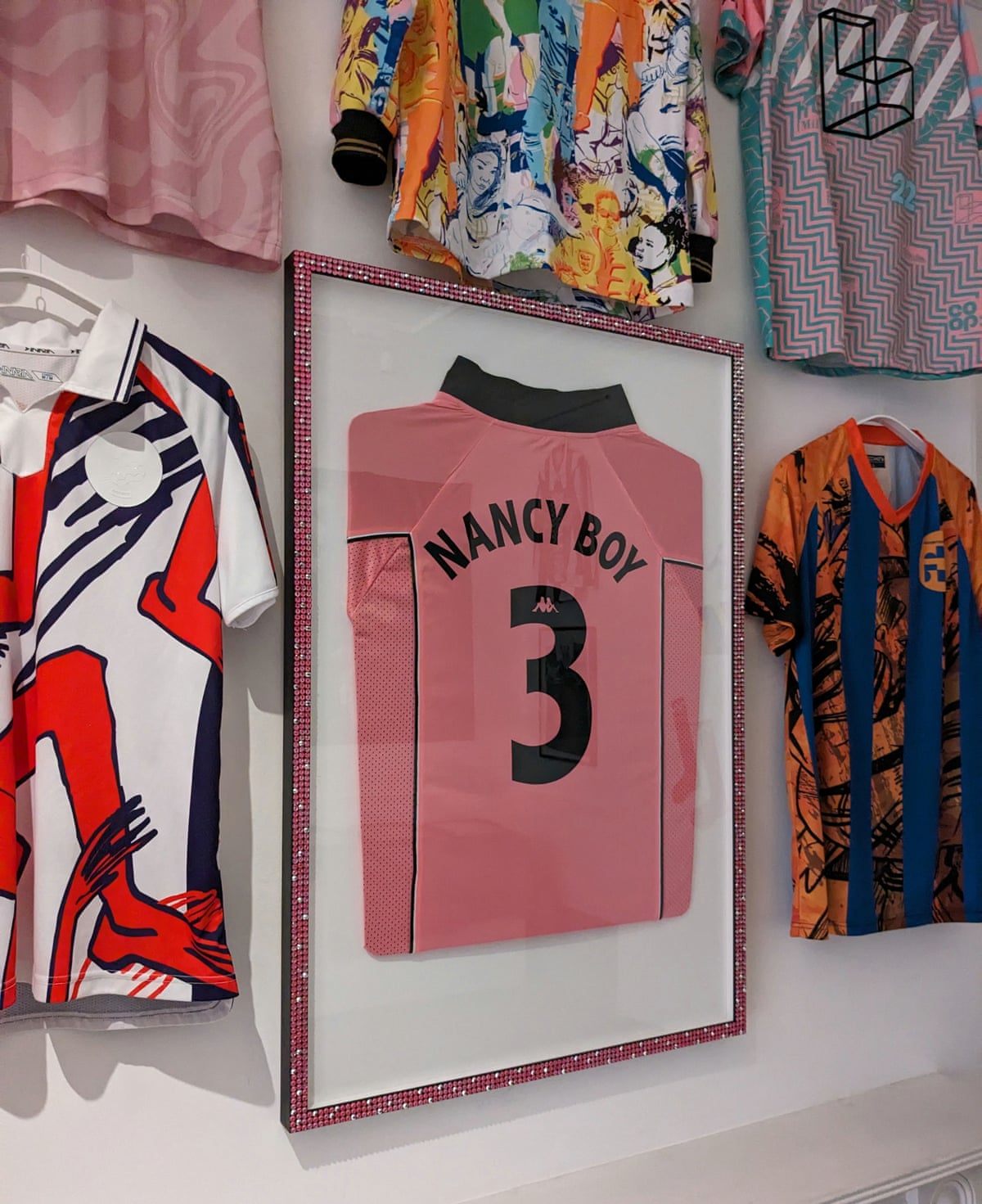
During this period, McLeod also began to explore his personal experiences more deeply. Having previously examined toxic masculinity, he started to incorporate his perspective as a queer individual growing up in Glasgow. One notable piece humorously and poignantly lists behaviors labeled as gay in school, such as using gel pens, reading, and crossing legs.
“It was only putting it out like that that you realise: fucking hell, that was ridiculous,”he says.
“The things I would do to change myself to try and fit in at the time.”
Challenges in the Art World and Commitment to Representation
McLeod has chosen to remain in Glasgow, avoiding the crowded London art scene, and operates within a DIY community. Despite increasing recognition, he remains unrepresented by a gallery and has often self-funded exhibitions, sometimes staying on friends’ sofas. He critiques the art world’s claims of diversity and inclusion, noting that his experience as a working-class artist has been different.
“A lot of these galleries say they are championing underrepresented voices and most of the time they don’t,”McLeod asserts.
“They don’t practise what they preach. It’s just rich folk with limited life experience, pumping money into rich folk with limited life experience. The art world feeds on nepotism, privilege and the bank of mummy and daddy. There’s definitely a glass ceiling for working-class artists.”
Despite these obstacles, McLeod’s independent approach is yielding results. He invites visitors to Utopia for a pint and conversation, embodying his belief in creating inclusive spaces.
“I don’t have the answers, but I’m living proof that you can mark out your own path and it is possible,”he says.
“But we need more working-class voices, more queer voices, and more POC voices, because it makes for more interesting art.”


