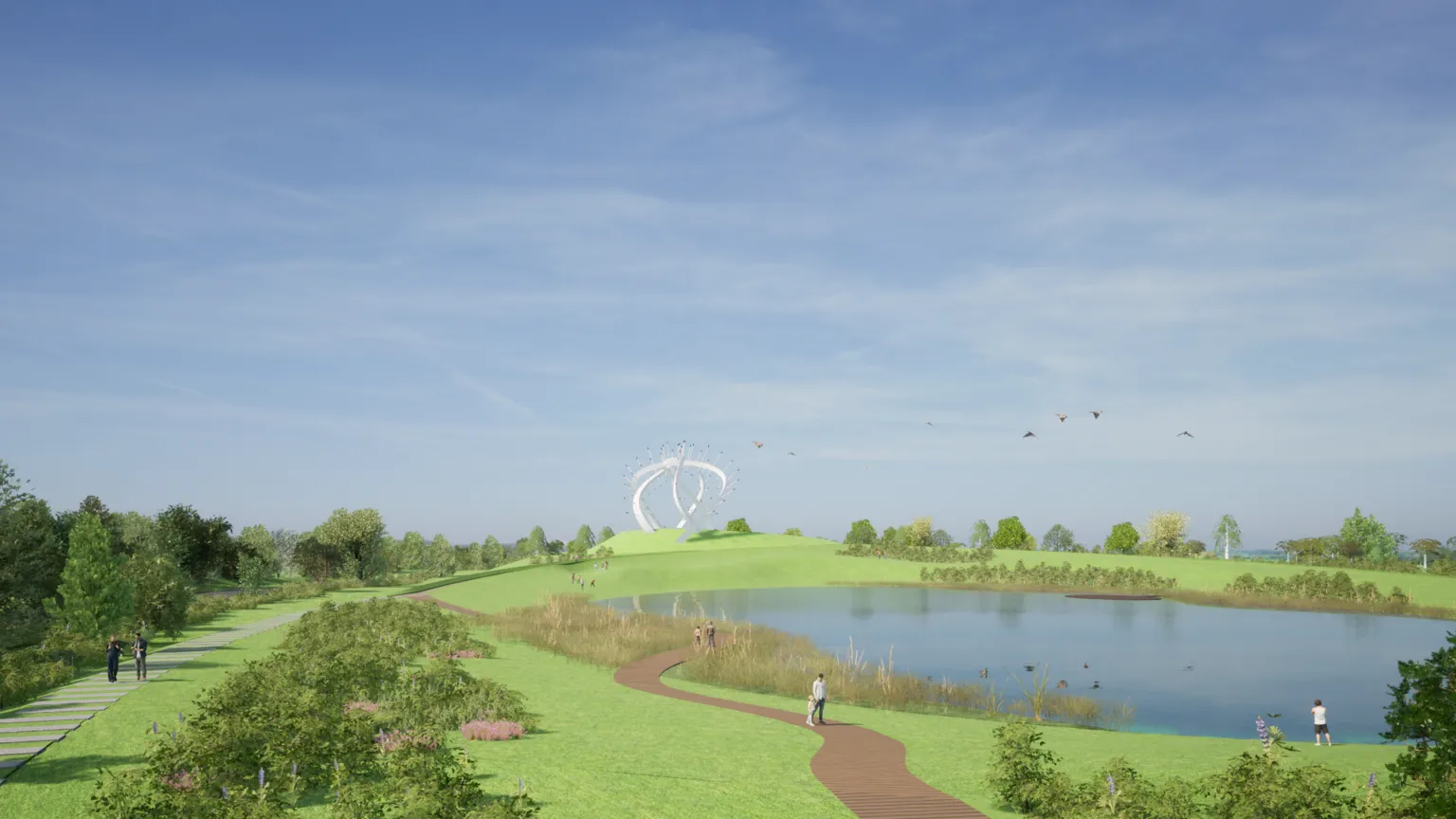
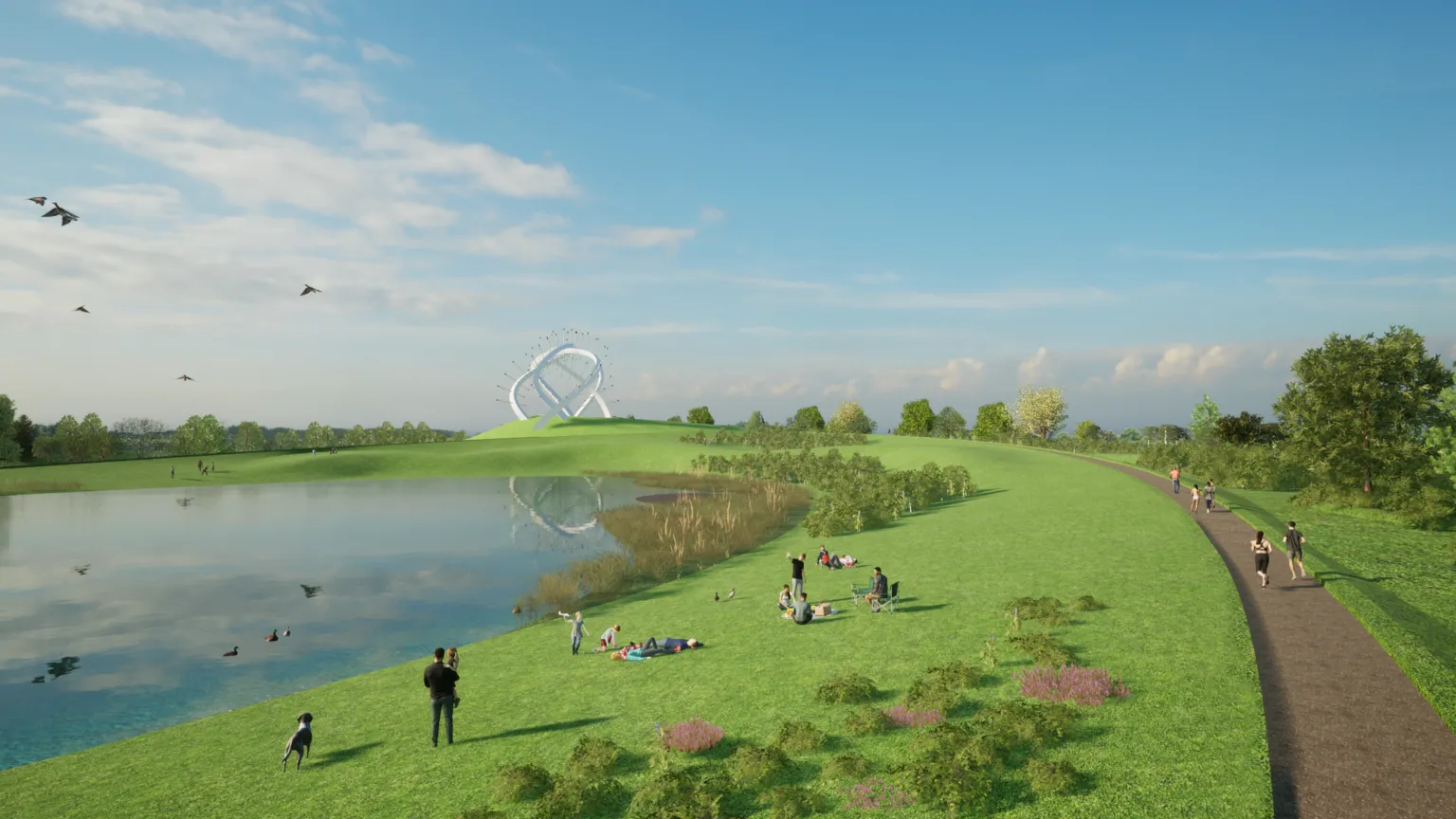
Artist Reflects on Star of Caledonia Project Progress
The internationally acclaimed artist Cecil Balmond, responsible for the design of a new monumental sculpture planned for the Scotland-England border, has expressed his enthusiasm as the project moves closer to realization.
It has been fifteen years since Balmond was selected as the winner of a competition to create what is now known as the Star of Caledonia.
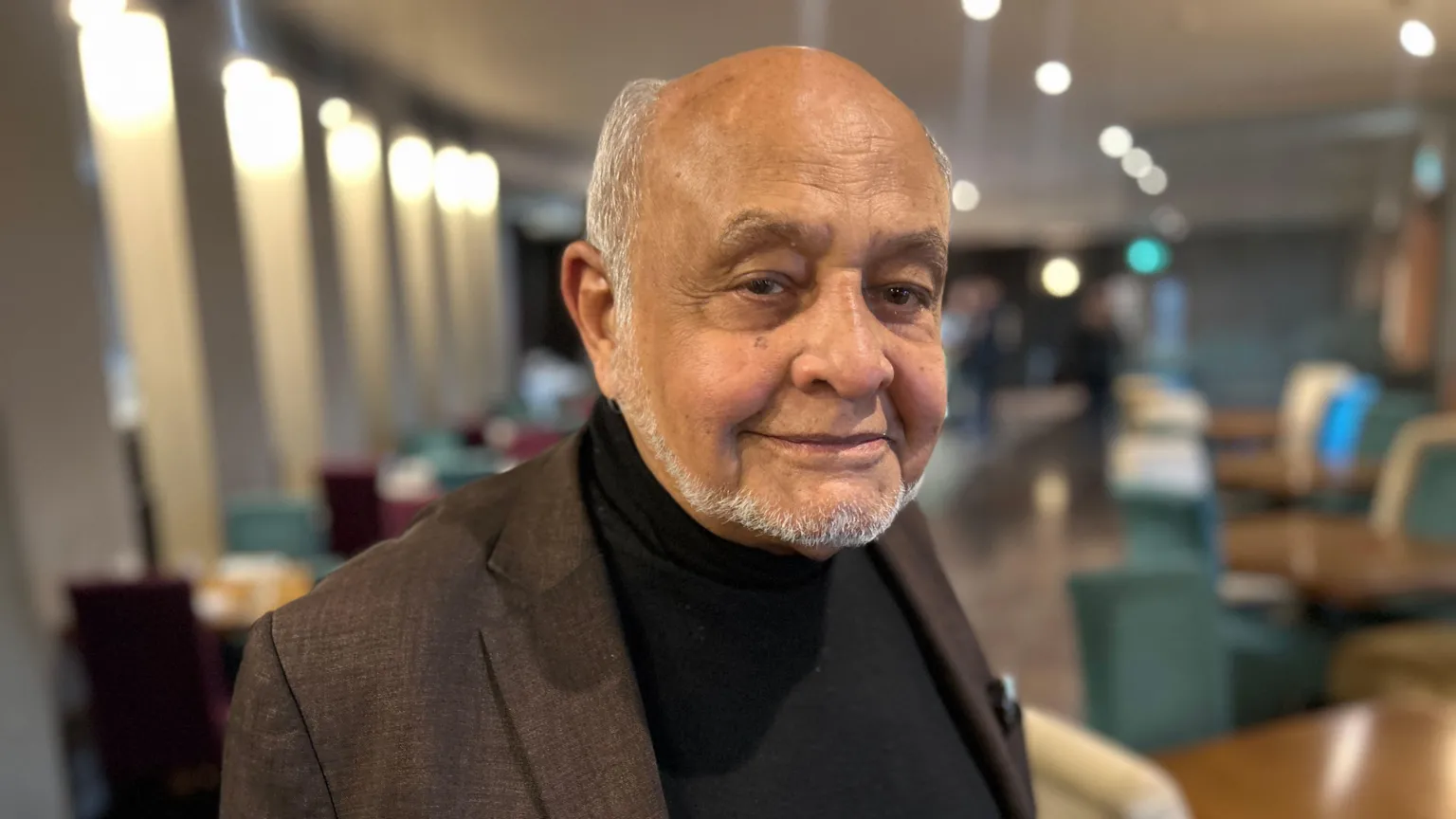
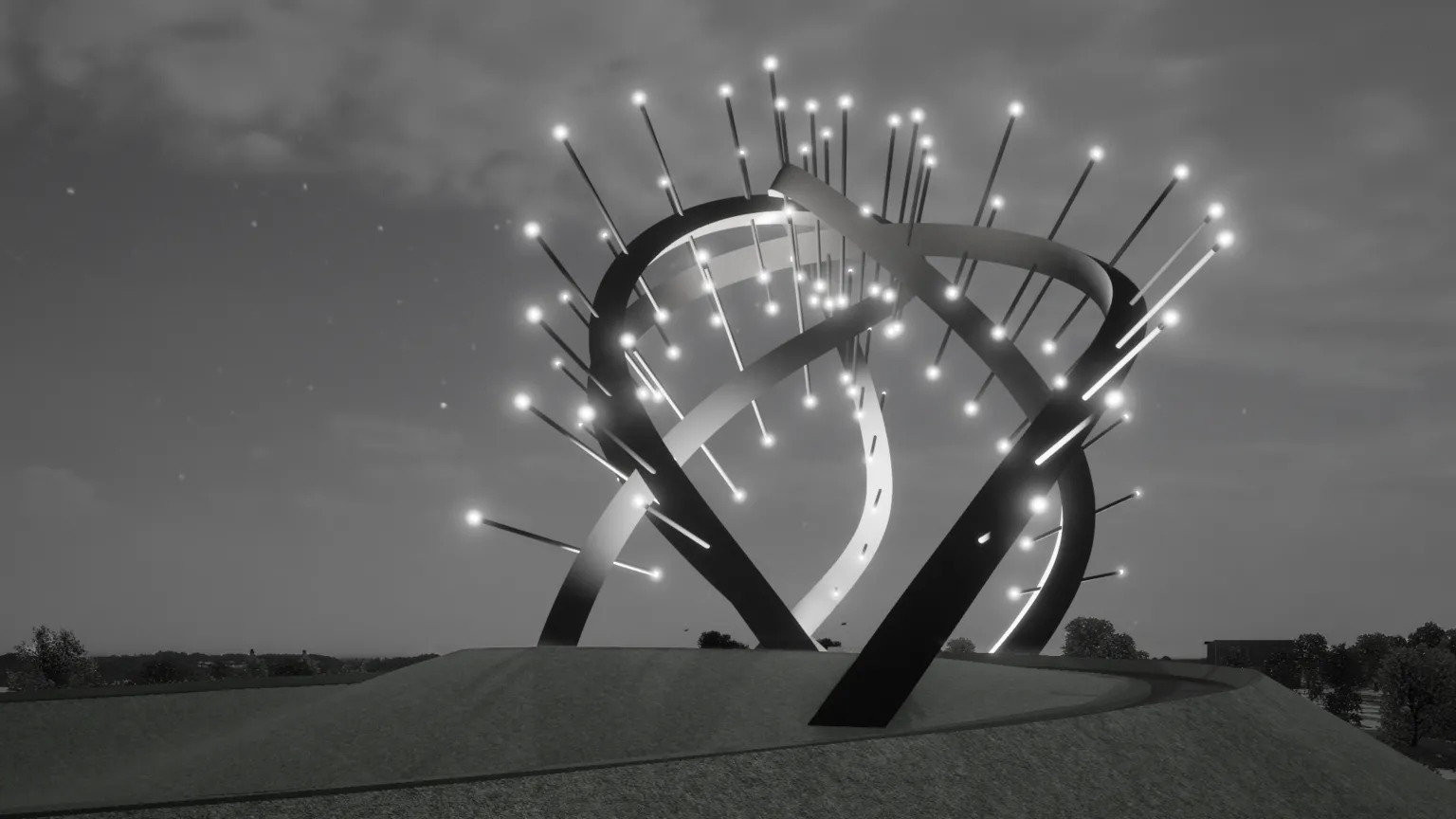
The sculpture, constructed from winding steel and incorporating 100 LED lights, draws inspiration from the scientific contributions of mathematician and physicist James Clerk Maxwell, particularly his theory of electromagnetism.
At a community celebration event attended by 300 guests, Balmond described the landmark as a "heartwarming welcome into Scotland."
Project History and Design Evolution
The initiative began 25 years ago but has faced numerous planning and financial obstacles that delayed its advancement.
The original design has undergone modifications, including a reduction in the sculpture's height.
The artwork will stand 33 meters (108 feet) tall and is projected to cost approximately £12 million, with half of the funding provided by energy company CWP Energy.

The project has elicited mixed reactions, with some praising it as "original" while others have described it as "truly awful."
Artist's Inspiration and Vision
Balmond expressed amazement at reaching the stage where construction is imminent, envisioning the sculpture as a "national monument for Scotland."
"Simply put, my inspiration came from a look at the list of Scottish scientists,"
"Though the brief I had was to look for things Scottish, like Highland dancing and the saltire and all that, my research showed me that actually Scottish brains had made most of the modern world and I thought - for me that is Scottish.
"So I thought I'd make a brain, a bulb that lights up and literally that's what I've done.
"For me it's the brain of Scotland, on the border, welcoming people into Scotland."
Balmond also acknowledged the late Alasdair Houston, who initially proposed the idea of a landmark similar to the Angel of the North following the 2001 foot-and-mouth outbreak.
He revealed that he had originally submitted two designs, but Houston encouraged him to pursue the one ultimately selected.
"It's a burst of starlight and it will be wonderful - you never see things like that along the motorway," said Balmond.
"In daylight it will sparkle because I've got stainless steel rods connecting to the lights and that will catch the light and sun.
"It's a heartwarming welcome into Scotland - and you'll be sad to leave when you see it."
Community Support and Future Prospects
Lucy Houston, chair of the Star of Caledonia Trust and widow of Alasdair Houston, expressed excitement that her husband's vision to "give something back to the community" that supported them during the foot-and-mouth crisis is finally coming to life.
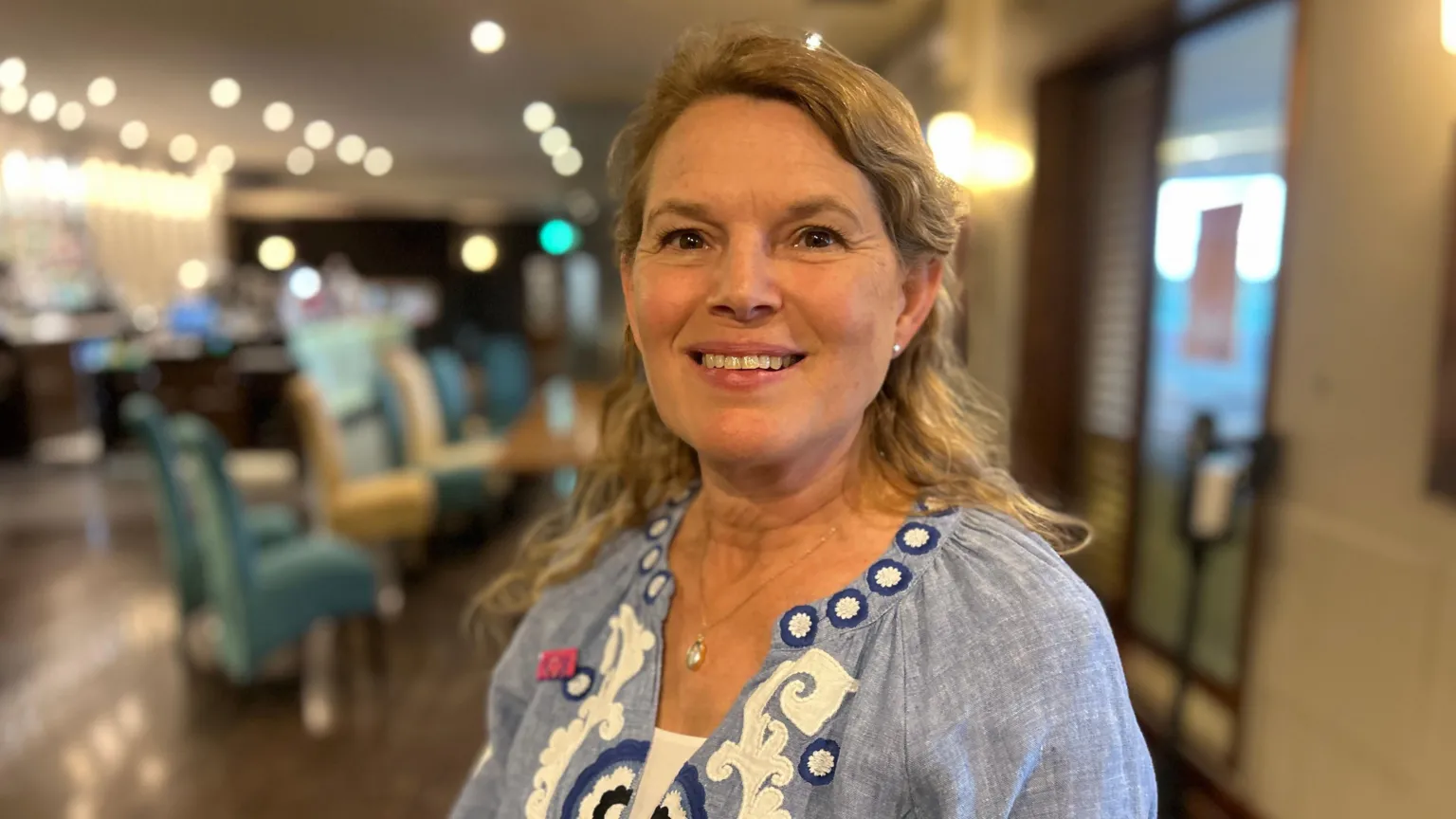
"I've never lost the belief," she said.
"I've cried a lot, I've got cross occasionally, but I've always believed in the project like Alasdair did and I was determined to see his vision through.
"We're anticipating 200,000 visitors in our first year, and that will be new visitors to the area.
"Obviously we really hope that those visitors will then go into south-west Scotland, into the Borders and across into Cumbria and really help the Borderlands area."
She acknowledged the presence of critics but emphasized the strong local support for the project.
"There's a lot of keyboard warriors out there, as we all know, and that's very, very difficult on occasion," she said.
"But the community has been so behind this project and that's made it all worthwhile for us."
Houston noted concerns about rising steel prices due to the conflict in Iran but confirmed plans to begin construction in June, with a 14-month build timeline aiming for completion in 2027.